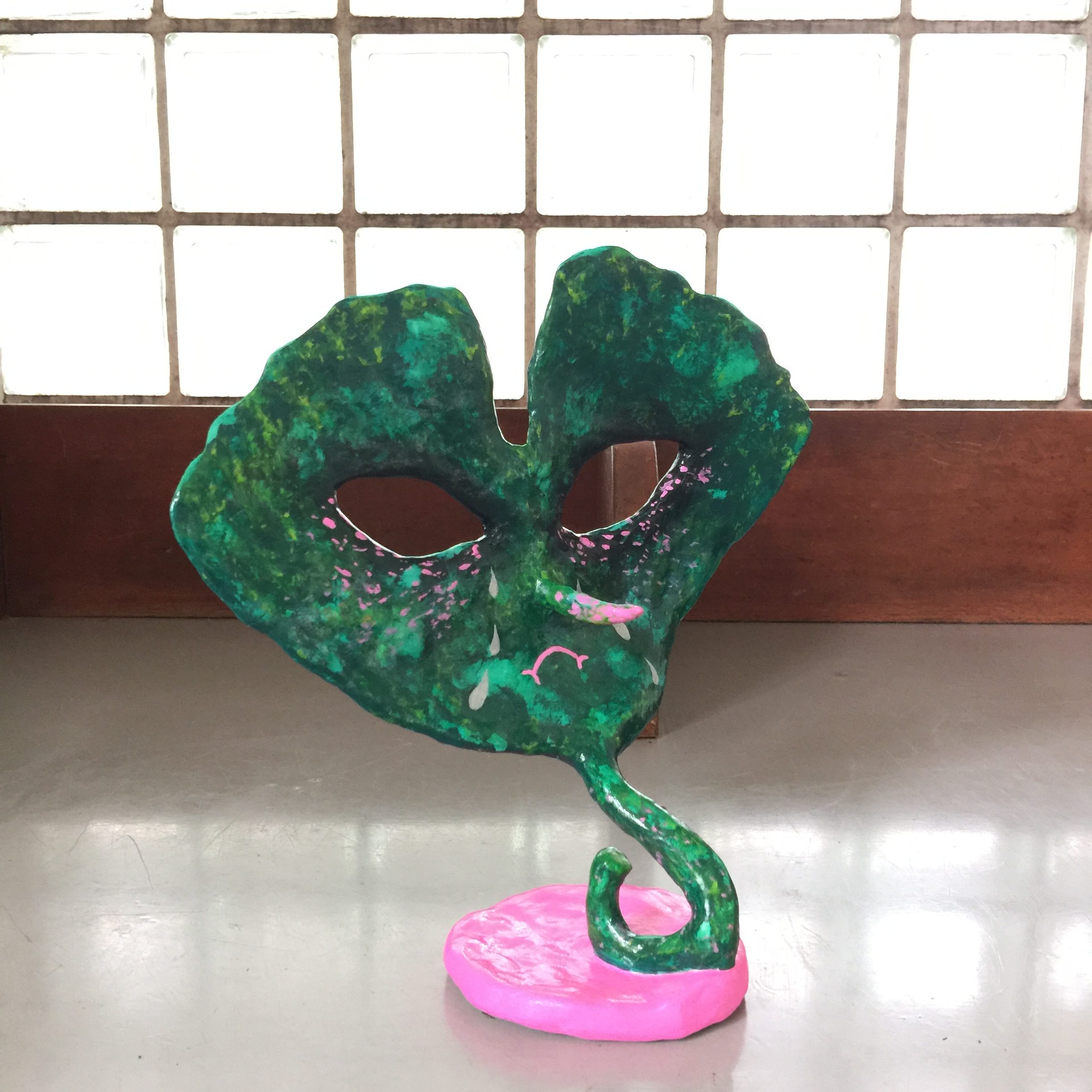
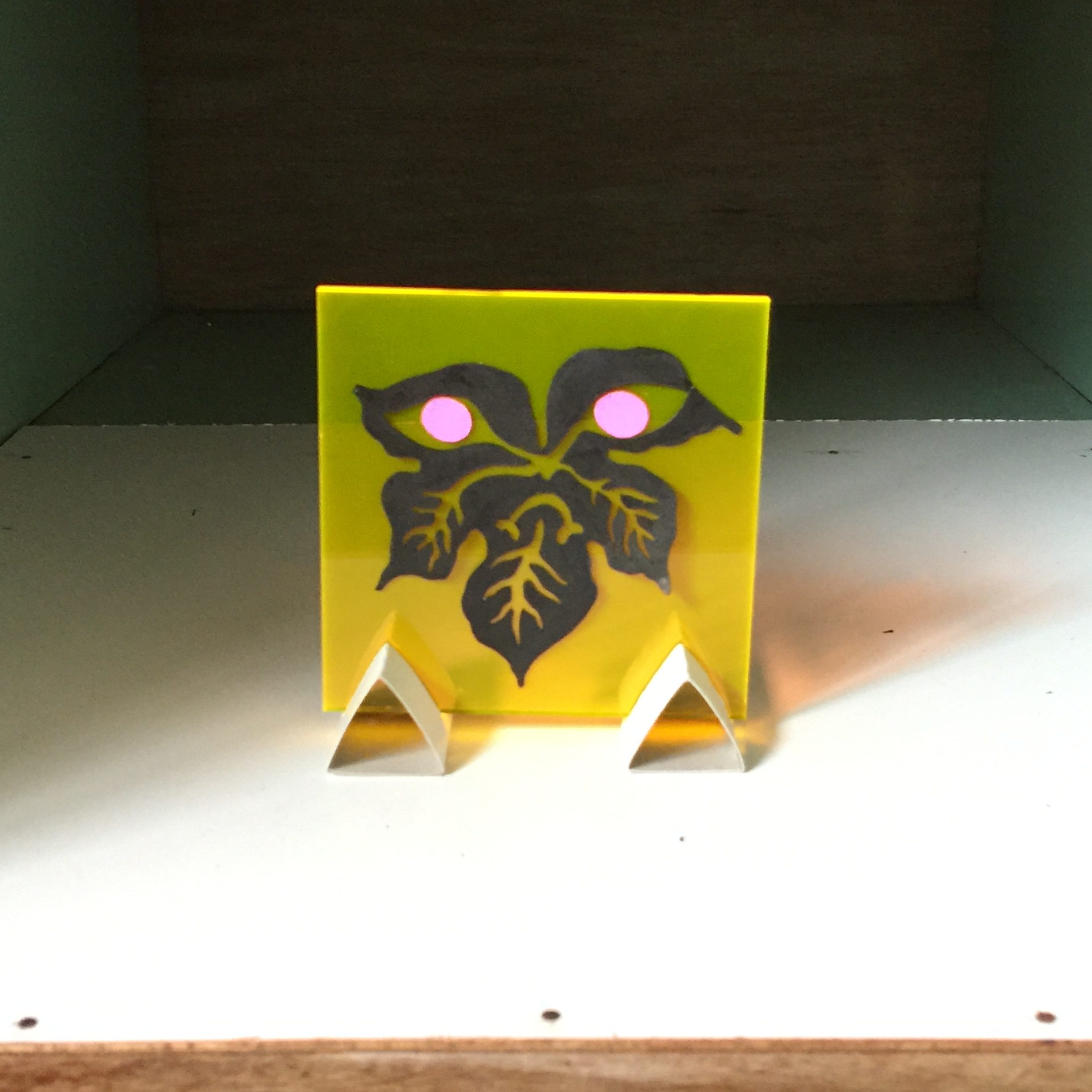
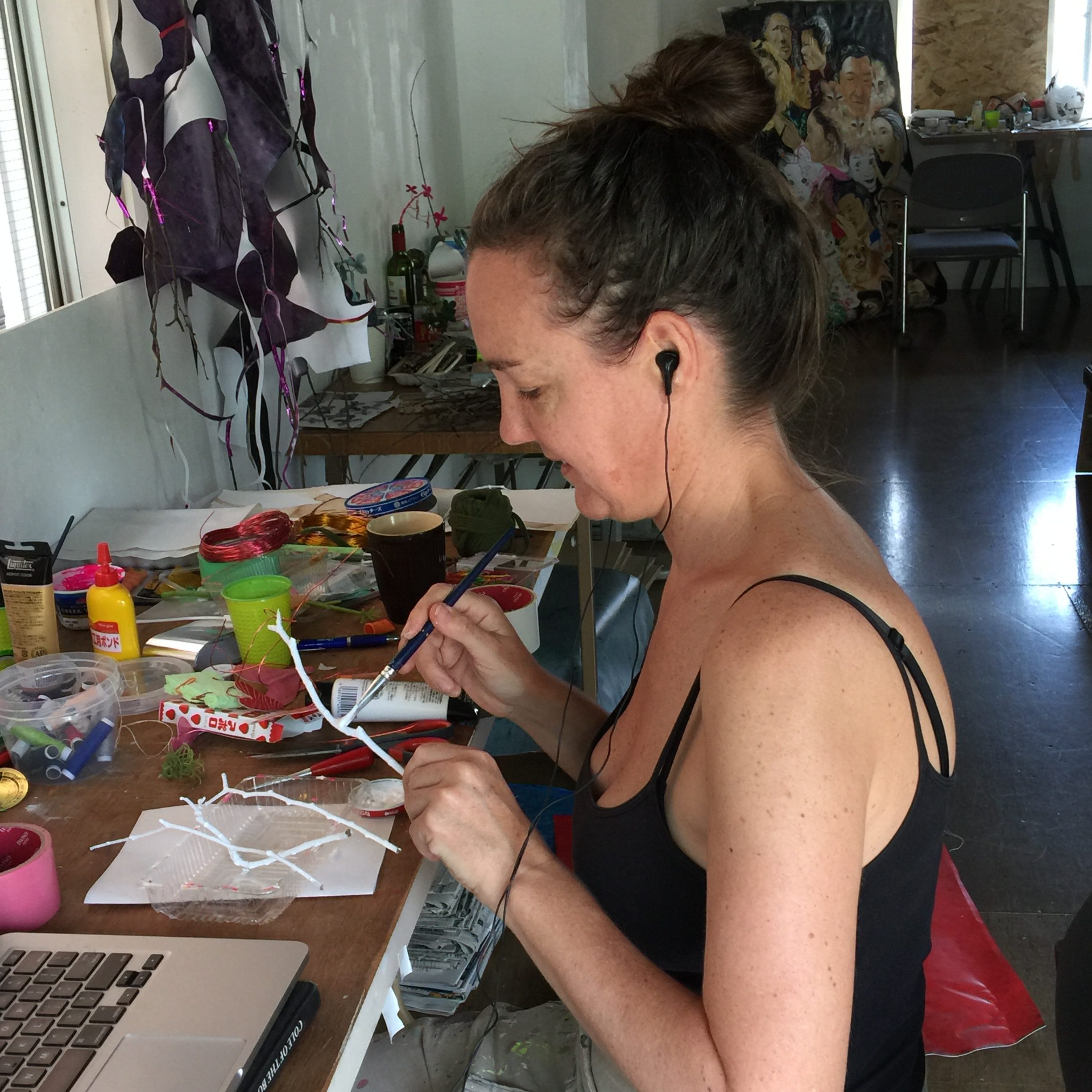
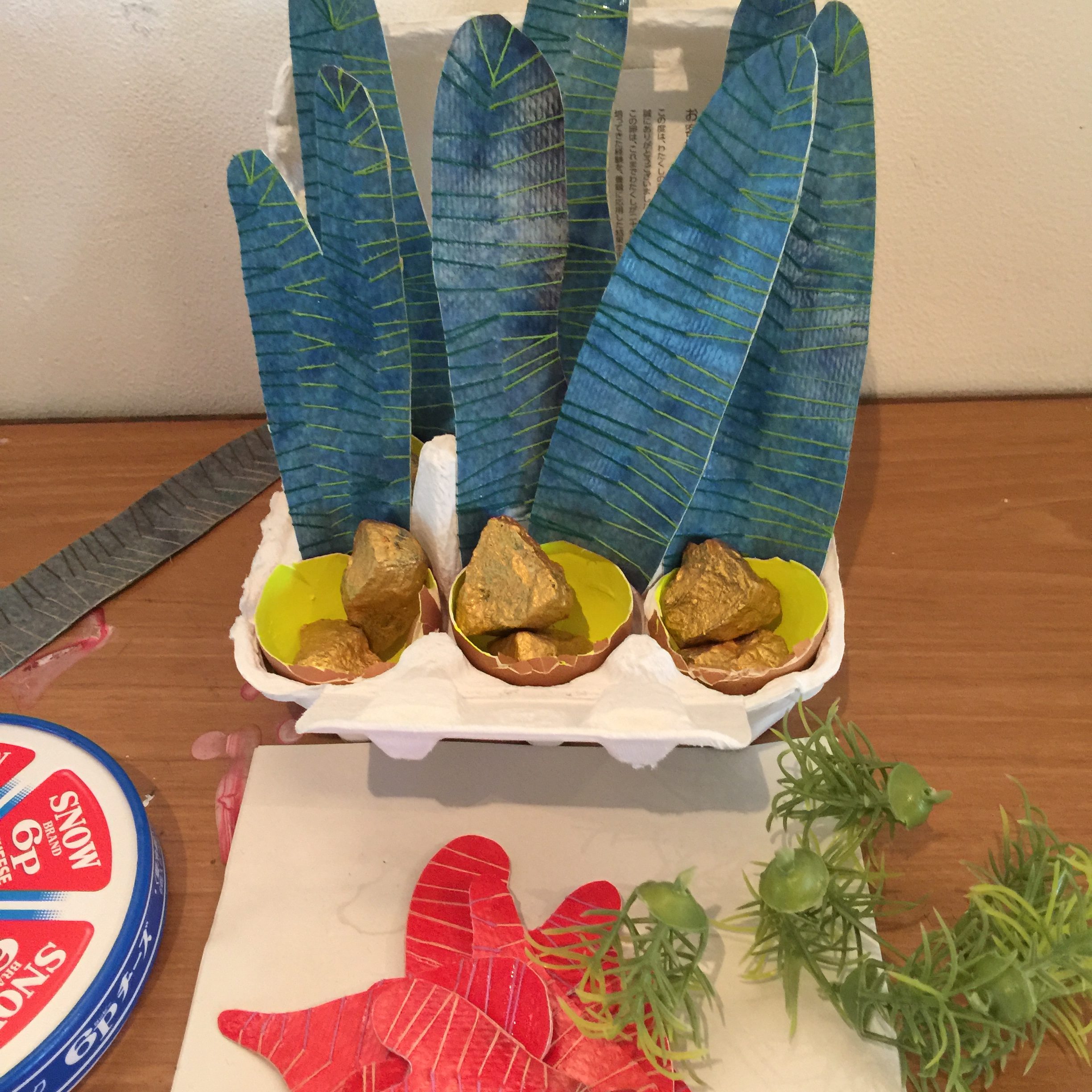
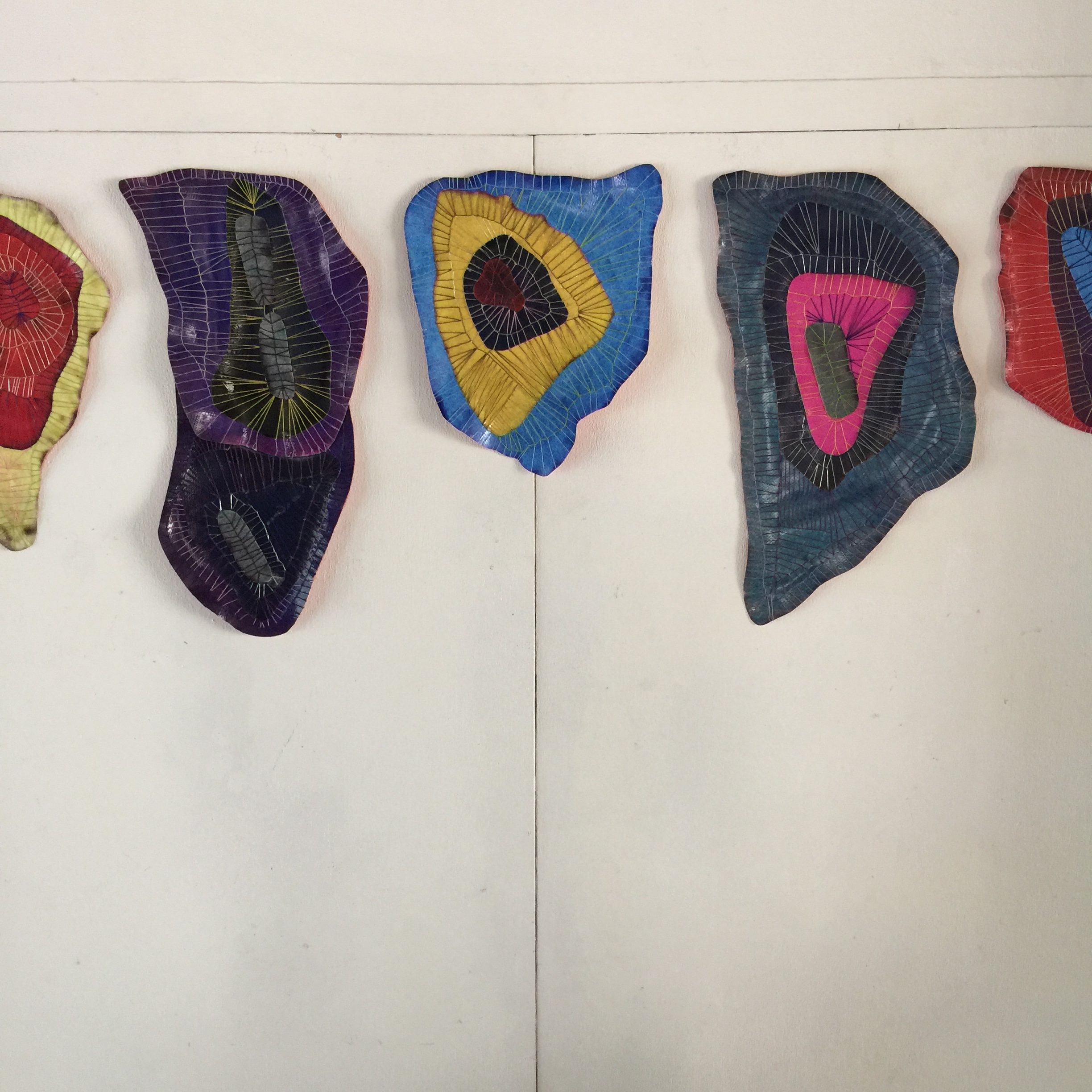
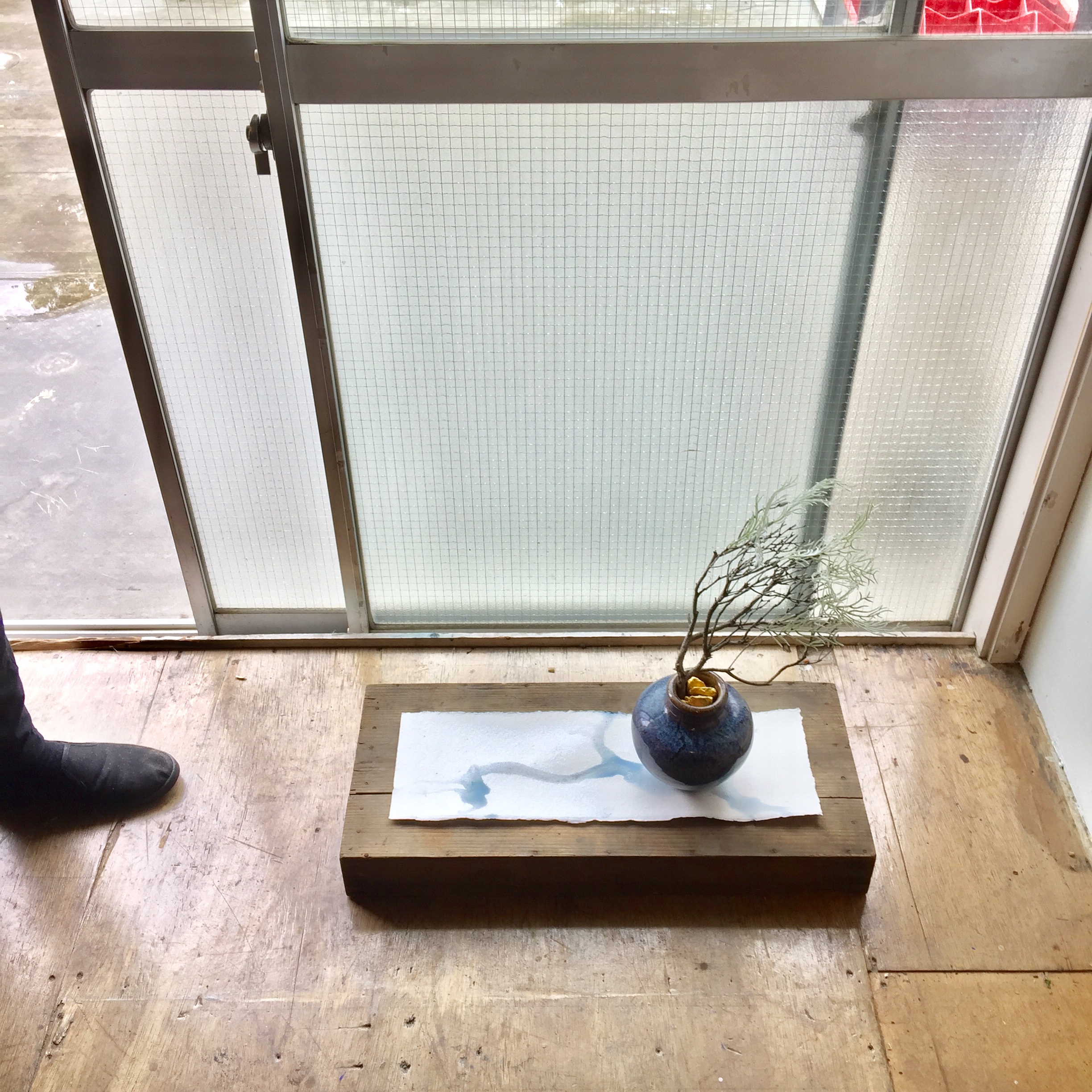
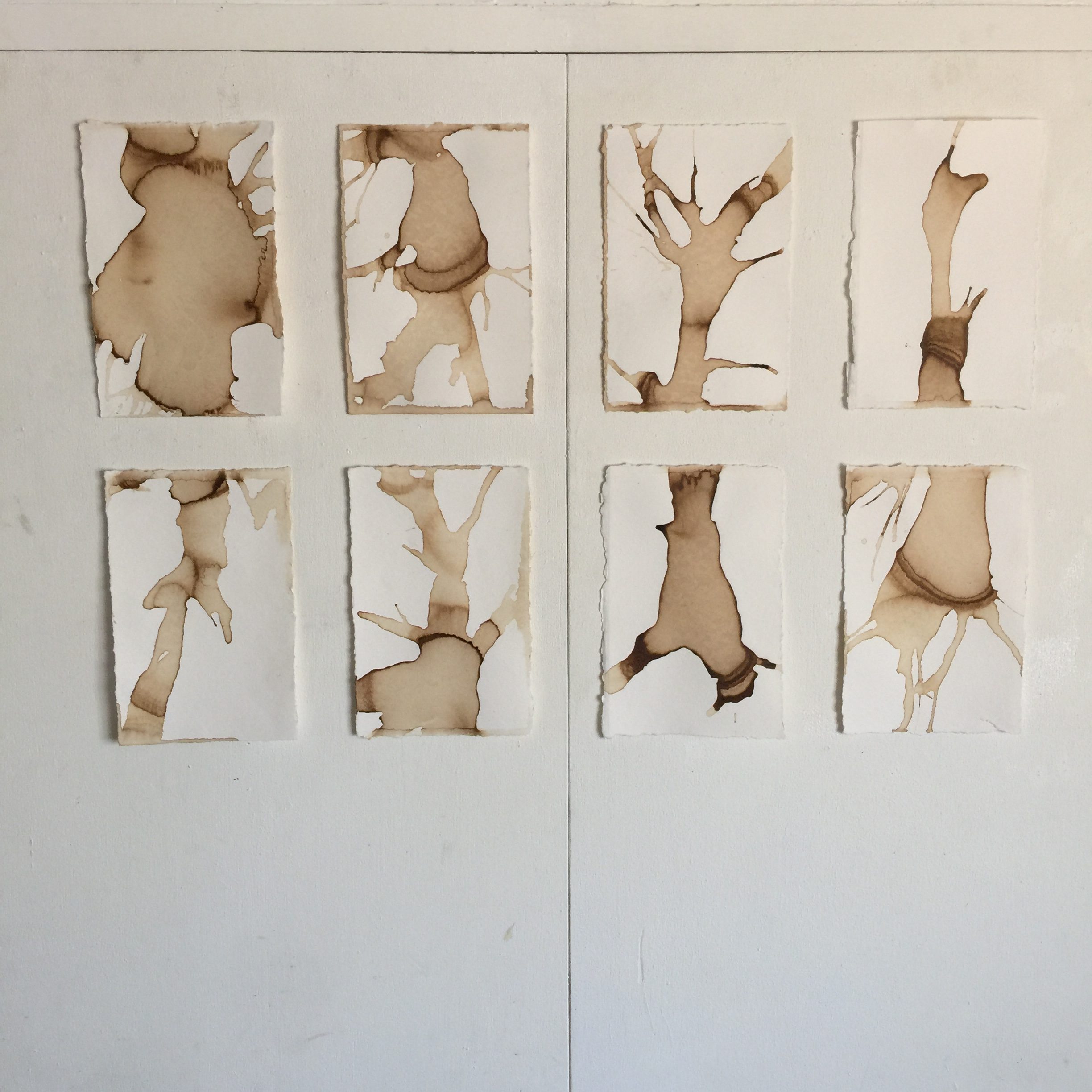
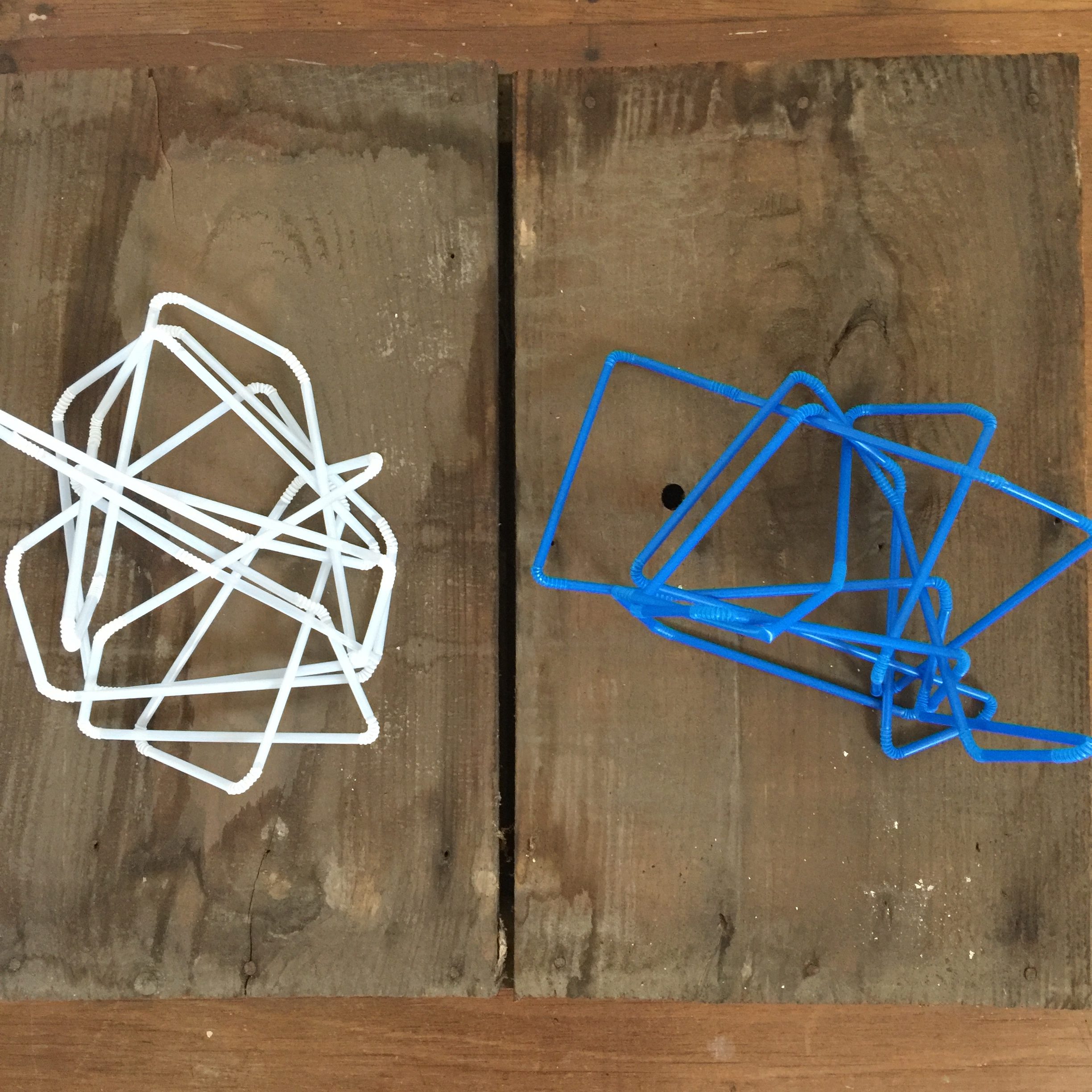
My practice plays with the conventions associated with craft, the handmade, installation and basic sculptural principles. Concerned with the tangent of making and the residues it accumulates, my work is often recycled as a way of considering sculpture as an ongoing process. Interested in the capacity of materials to affect spontaneity and action, my practice calls to question various binaries we use to understand not only matter, but the digestion of the everyday.
Upon visiting Japan in 2016, I developed an interest in ceramics, ever-present as one of the oldest Japanese crafts. I am particularly interested in Arita, where it is rumored ceramic remnants don’t go to waste, rather are displayed around houses and gardens, and pressed walls as decorative features. Identifying with this tradition, I plan to visit Arita and other prefectures in Japan, take classes in ceramics, learn and engage in temporal modalities of place. Combining the concepts of mentoring and travel I will explore the latent potential of site and context.
I would like to approach AIRY at the end of my travels, responding to learning and guidance through the medium of ceramics and the temporariness of installation. Delving into an environment of reflection, study and play, I will explore what it means to learn from exchanging skills and seeking assistance from a varied community. My project will focus on handling, methods of production, interaction with environments, and the alchemical transformations that a material undergoes, which hold congealed moments in a broader social trajectory.
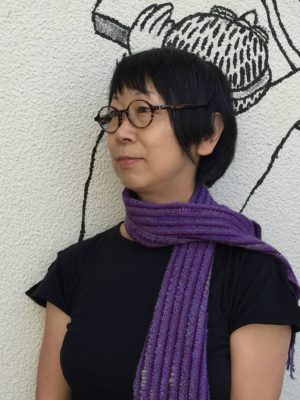
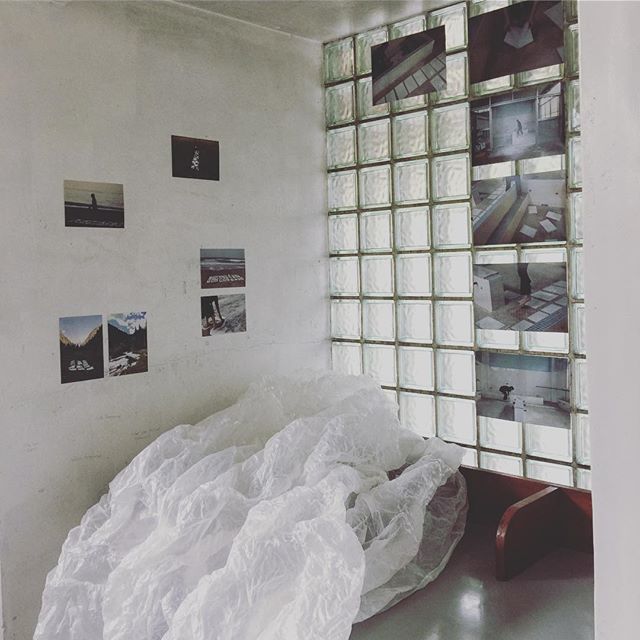
Playing with the conventions associated with craft, the handmade, installation and basic sculptural principles Jordan Mitchell-Fletcher’s practice approaches sculpture as an ongoing process.
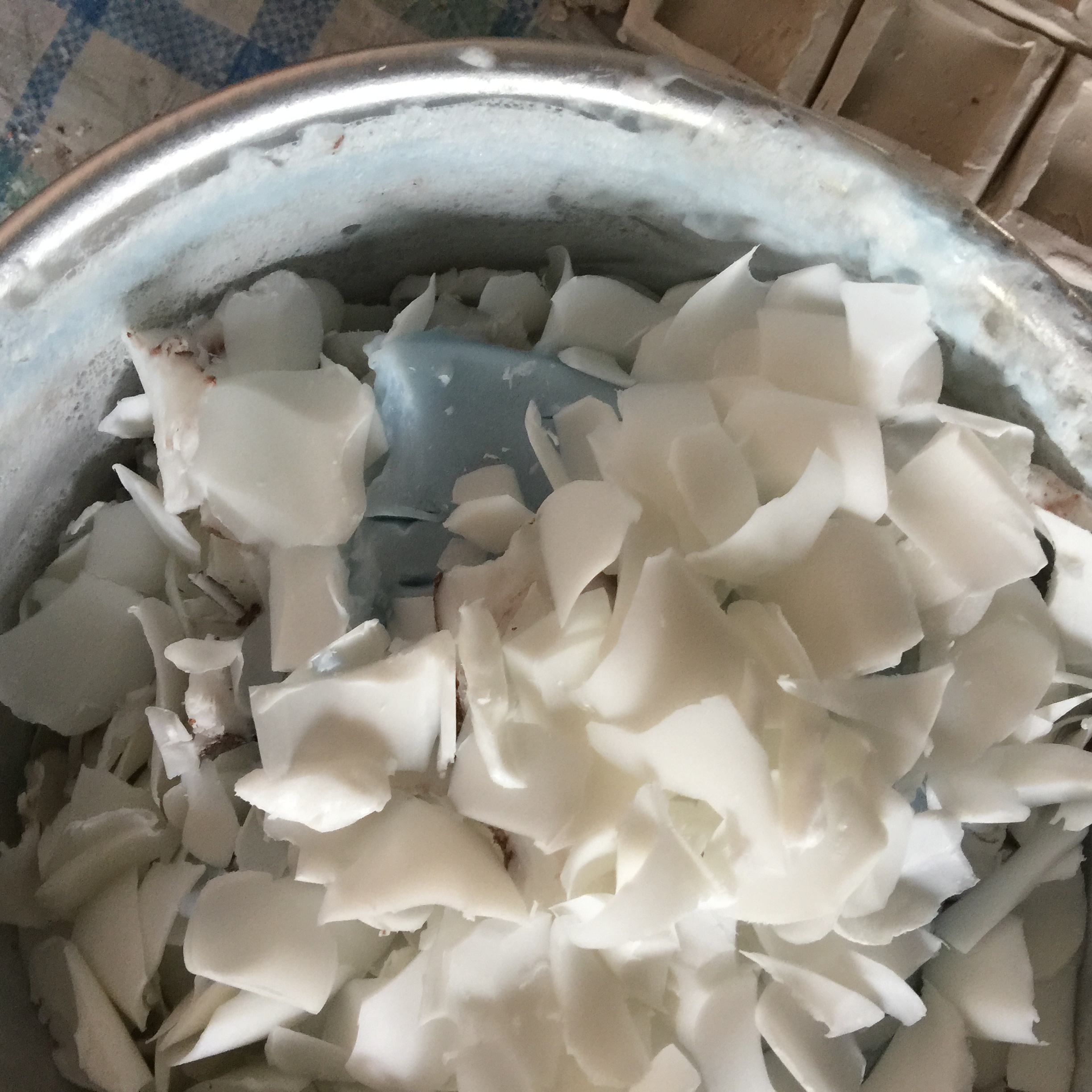
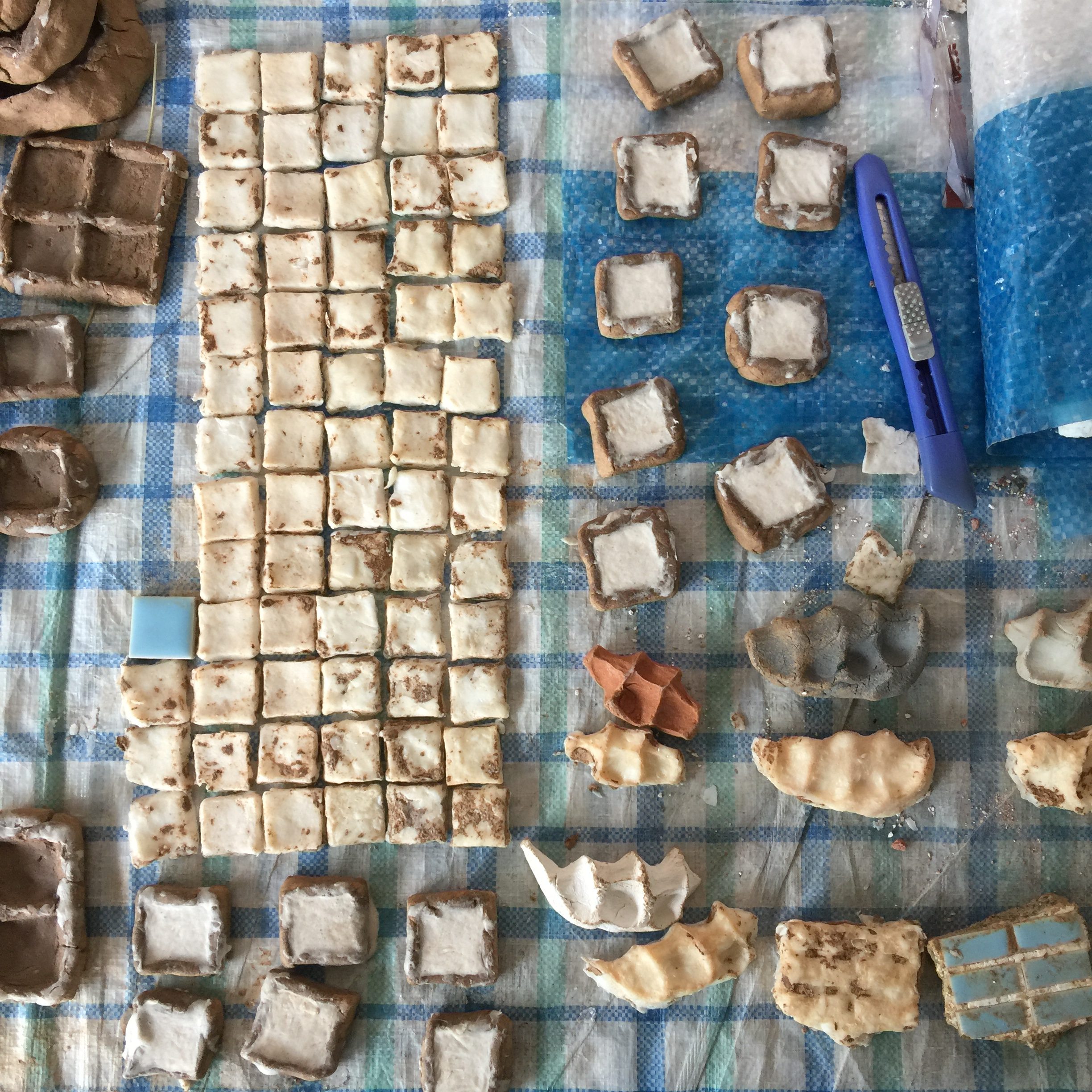
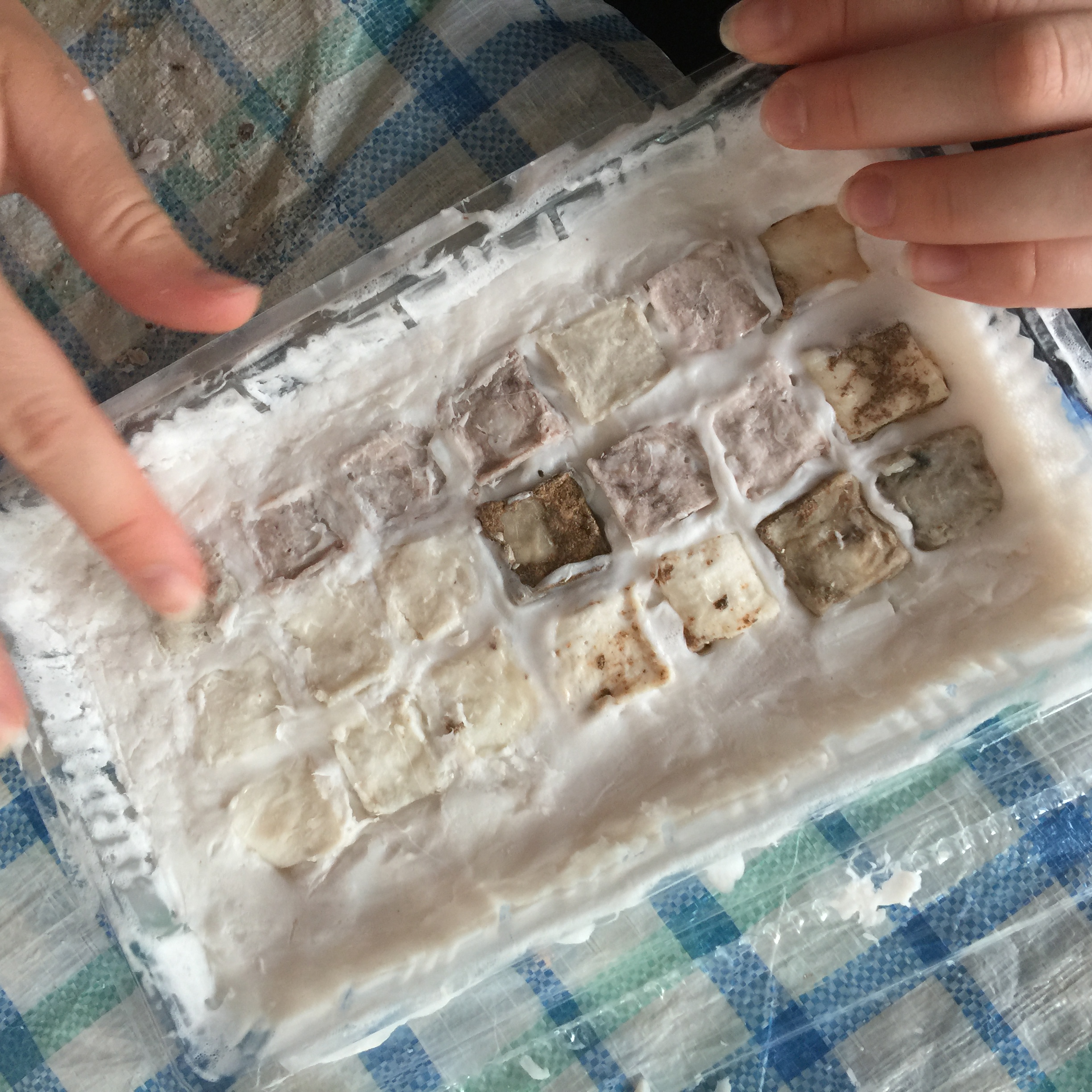
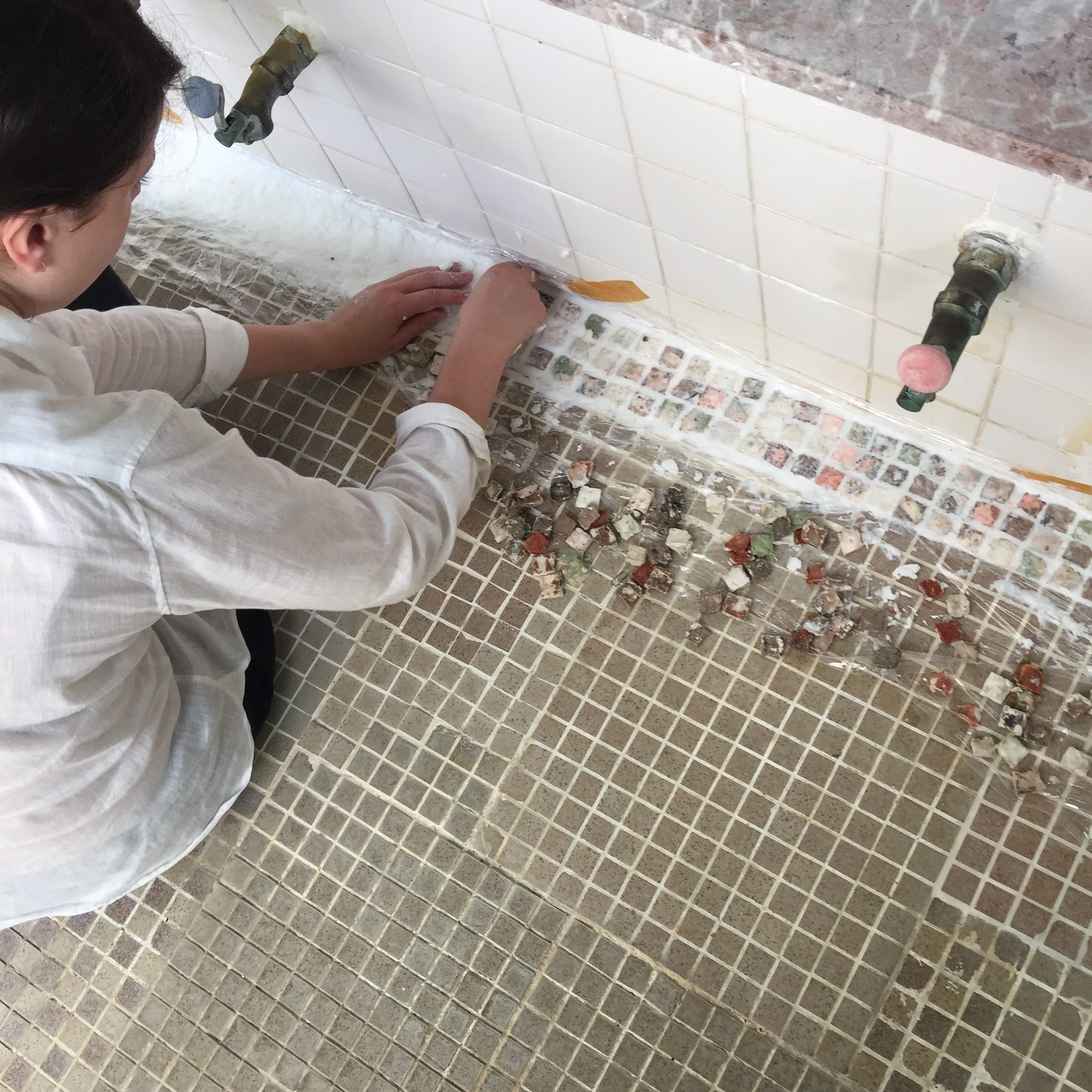
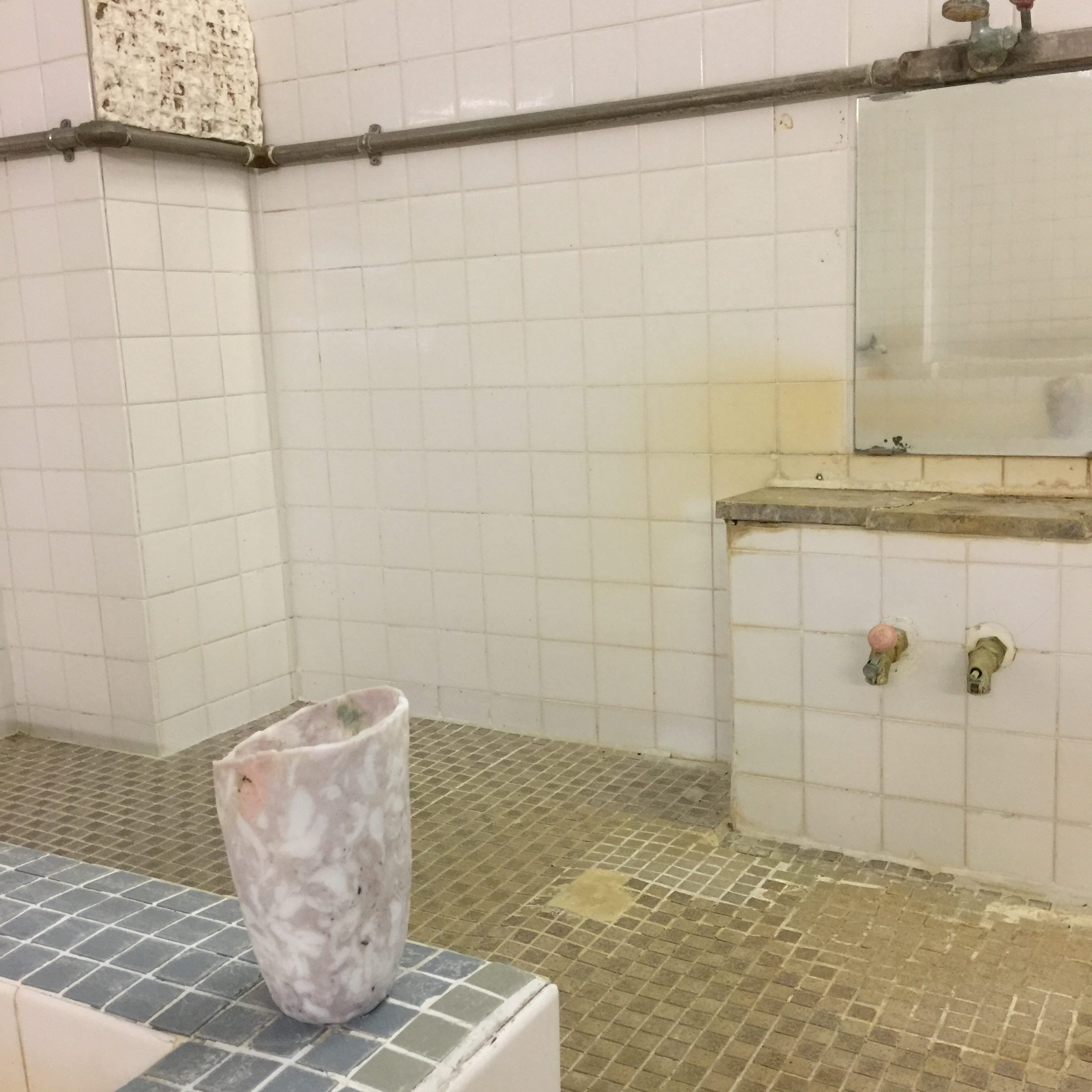
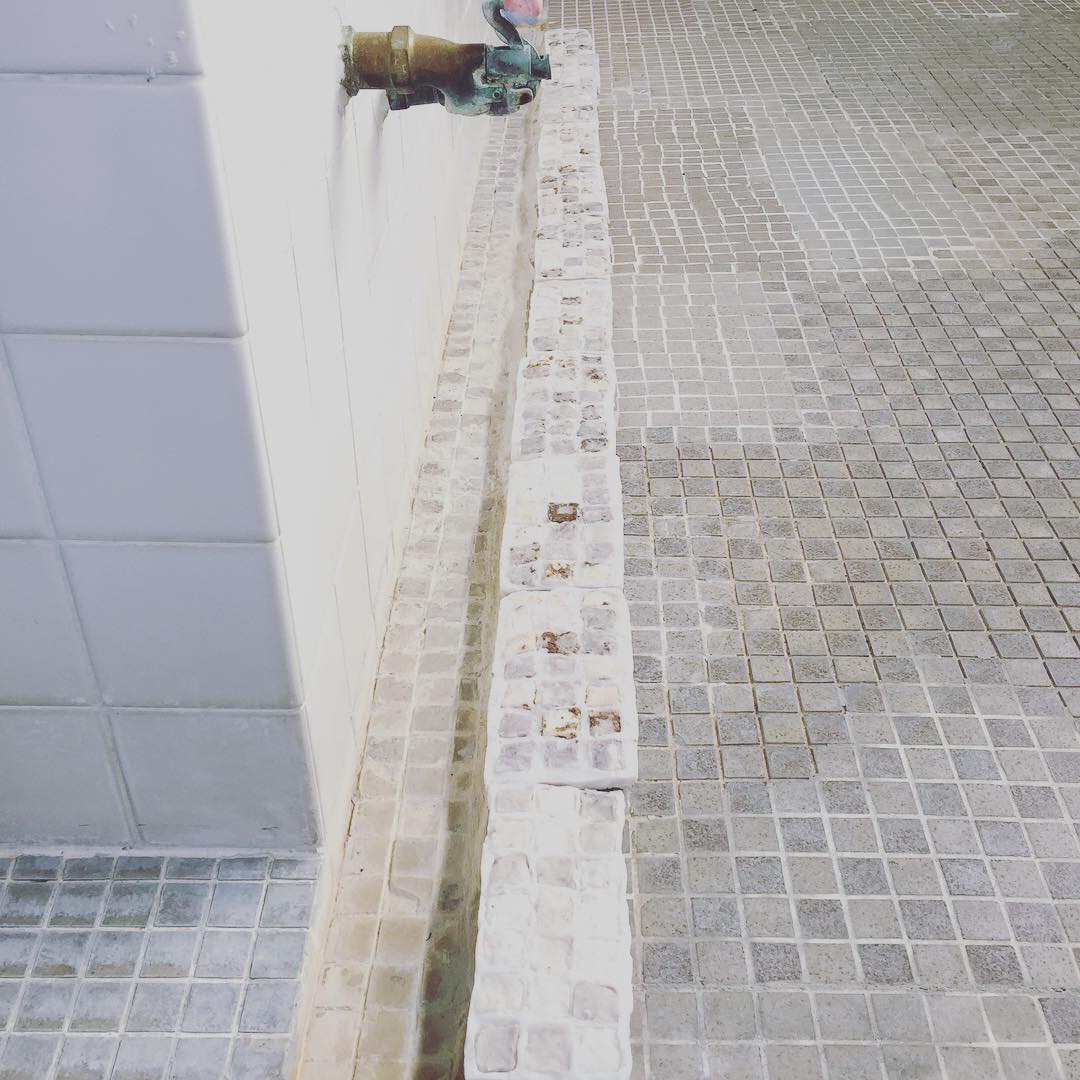
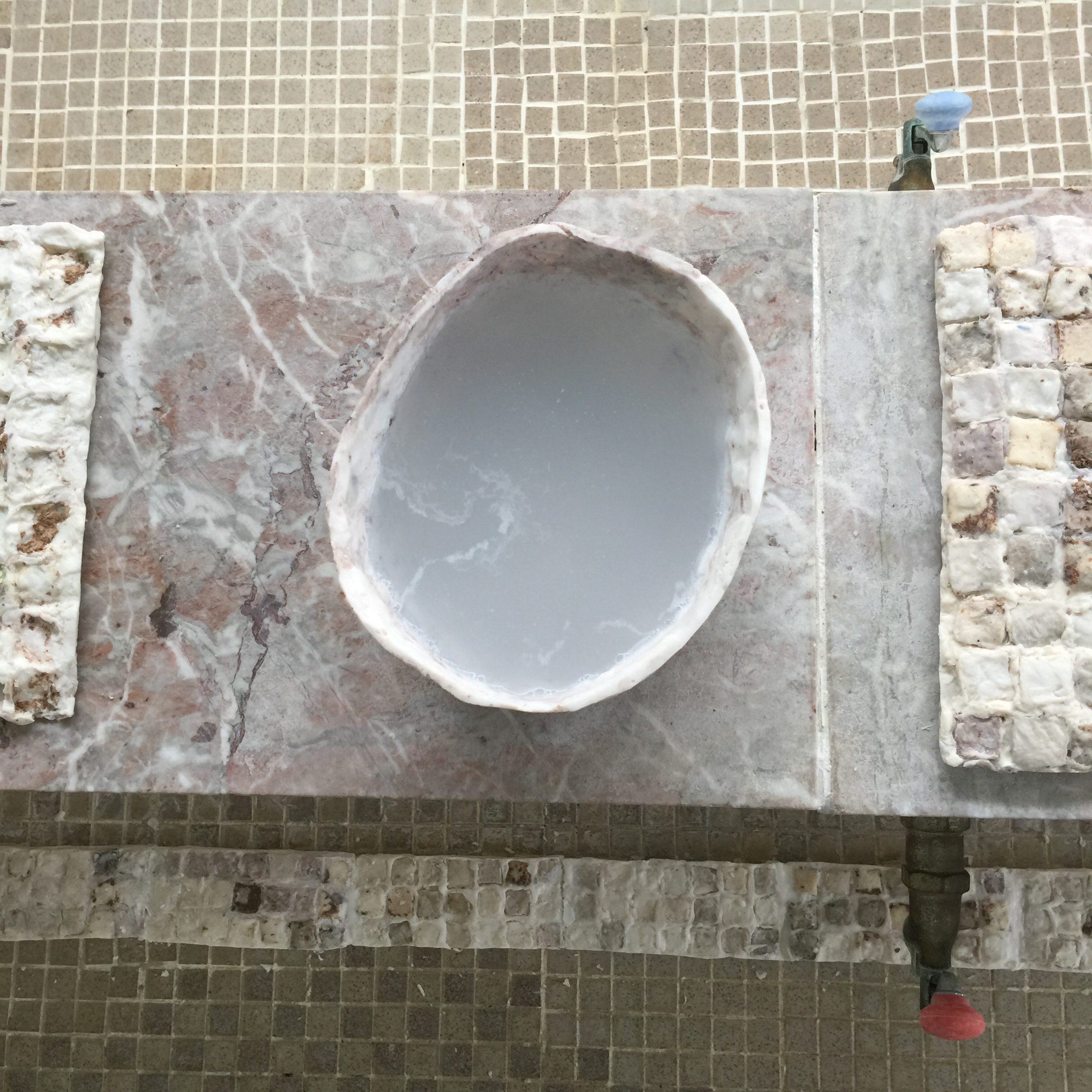
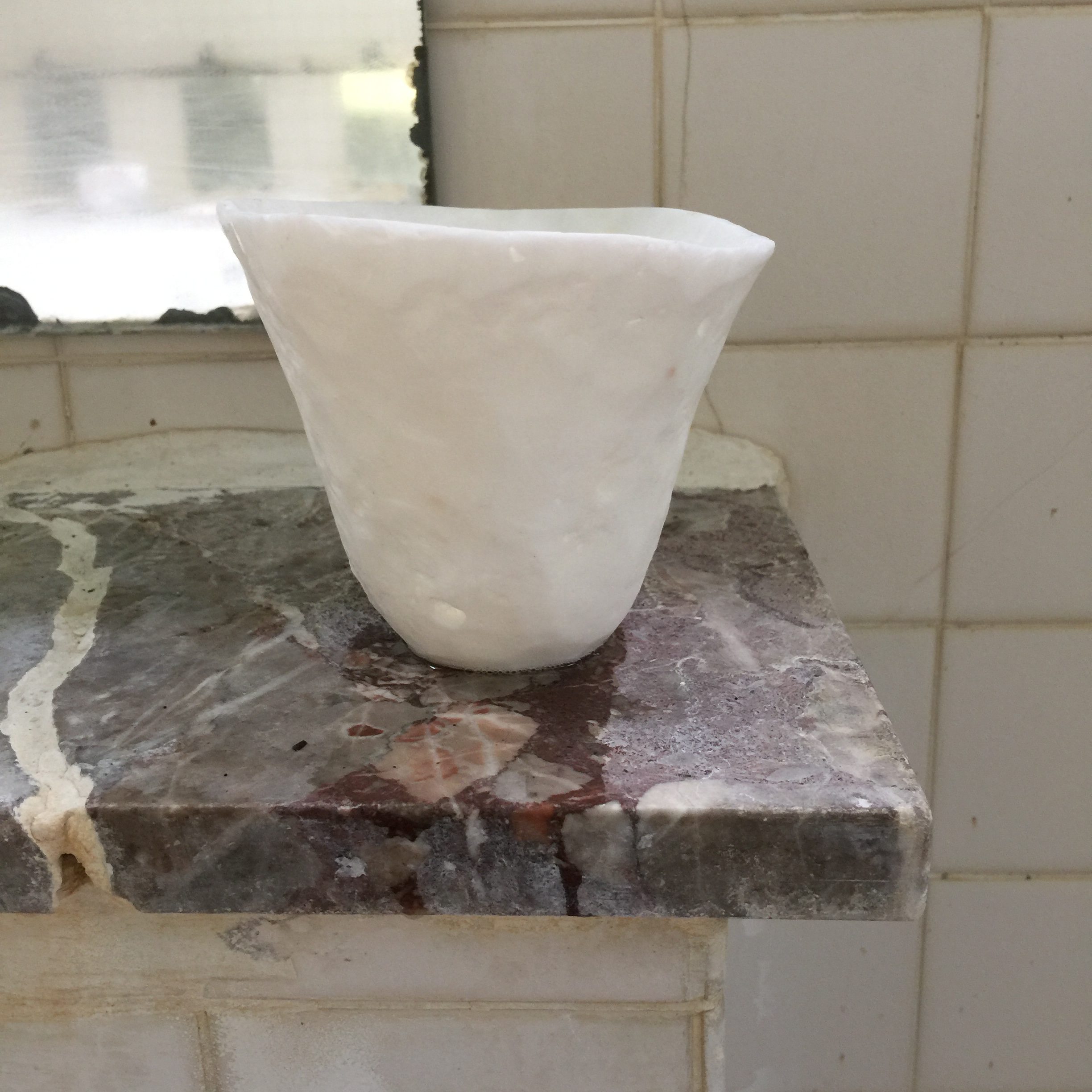
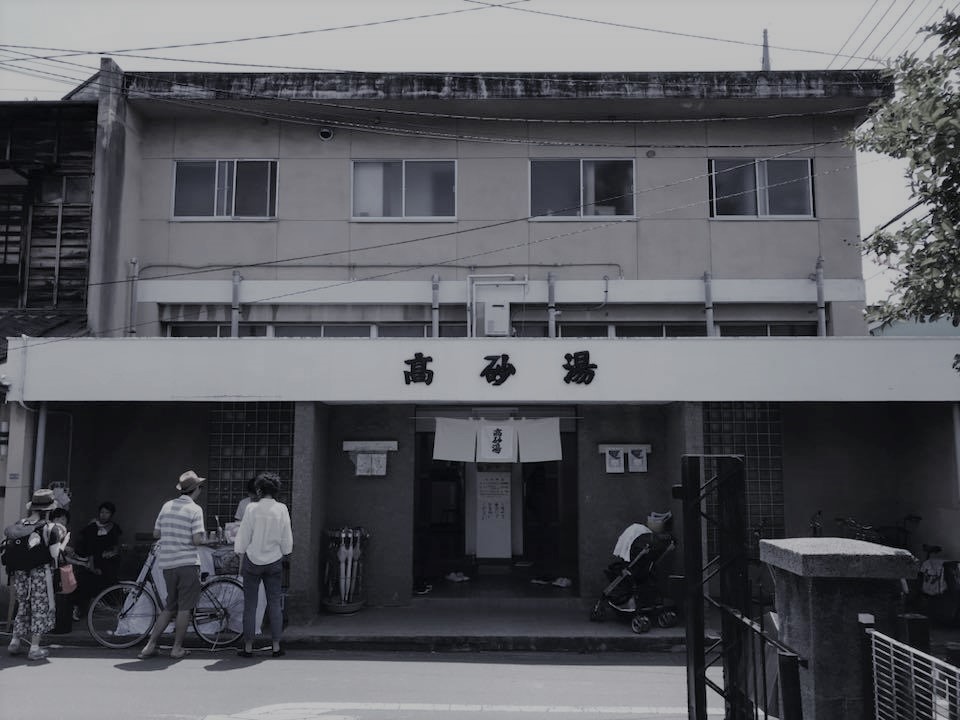
Directly inspired by the historical site of Takasagoyu, Soap Scum focuses on methods of production and the alchemical transformation that a material undergoes.
Through the exploration of material contingency and the temporariness of installation this project points to particularities within the site of the sento. This work attempts to frame the space while at the same time is framed by the space.
Caught up in a system of breaking and re-making, Soap Scum considers the life-cycle of the artwork within the impermanent context of travel. This project explores the expressive potential of soap as an art material and the significance of sustainable material responsibility within a local environment.
◭開催趣旨<元銭湯でアートにつかる>
銭湯の二大要素である<水>と<コミュニケーション>を切り口に、アートを通して場所を拓く試み。
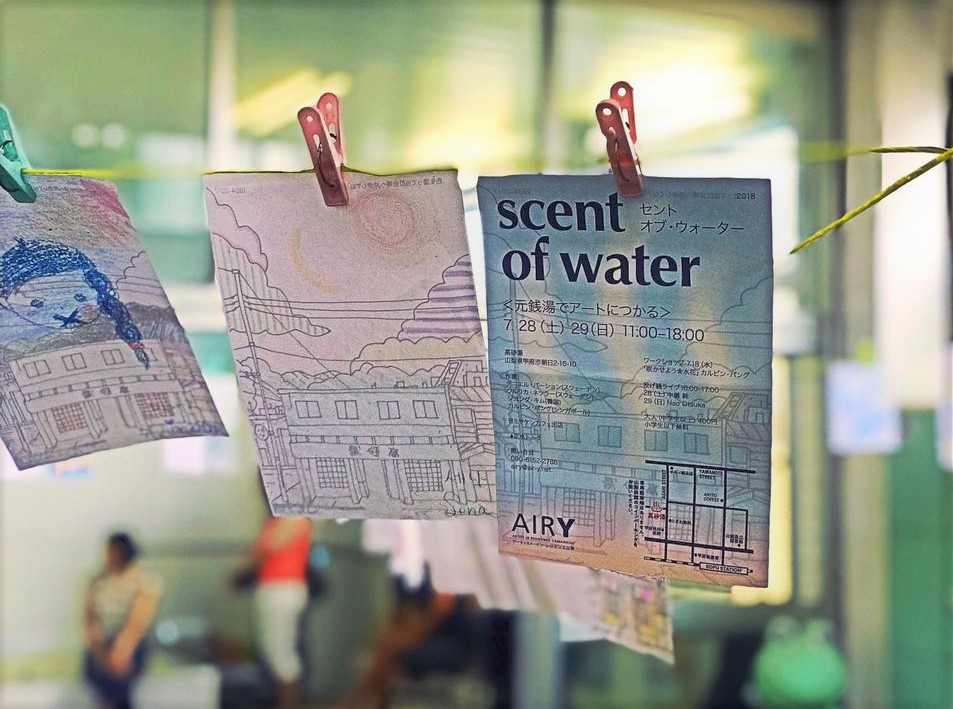
海外のアーティストと県内を拠点とするアーティストが絵画・ビデオ・オブジェ・インスタレーション・音楽などのメディアを用いて、多角的に銭湯という空間を再考するコラボレーション展です。
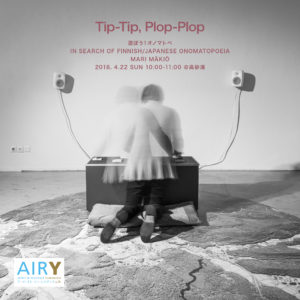
5月の「Tip-Tip,Plop-Plop 湯気が天井から」展に続いて同会場で二回目を開催します。
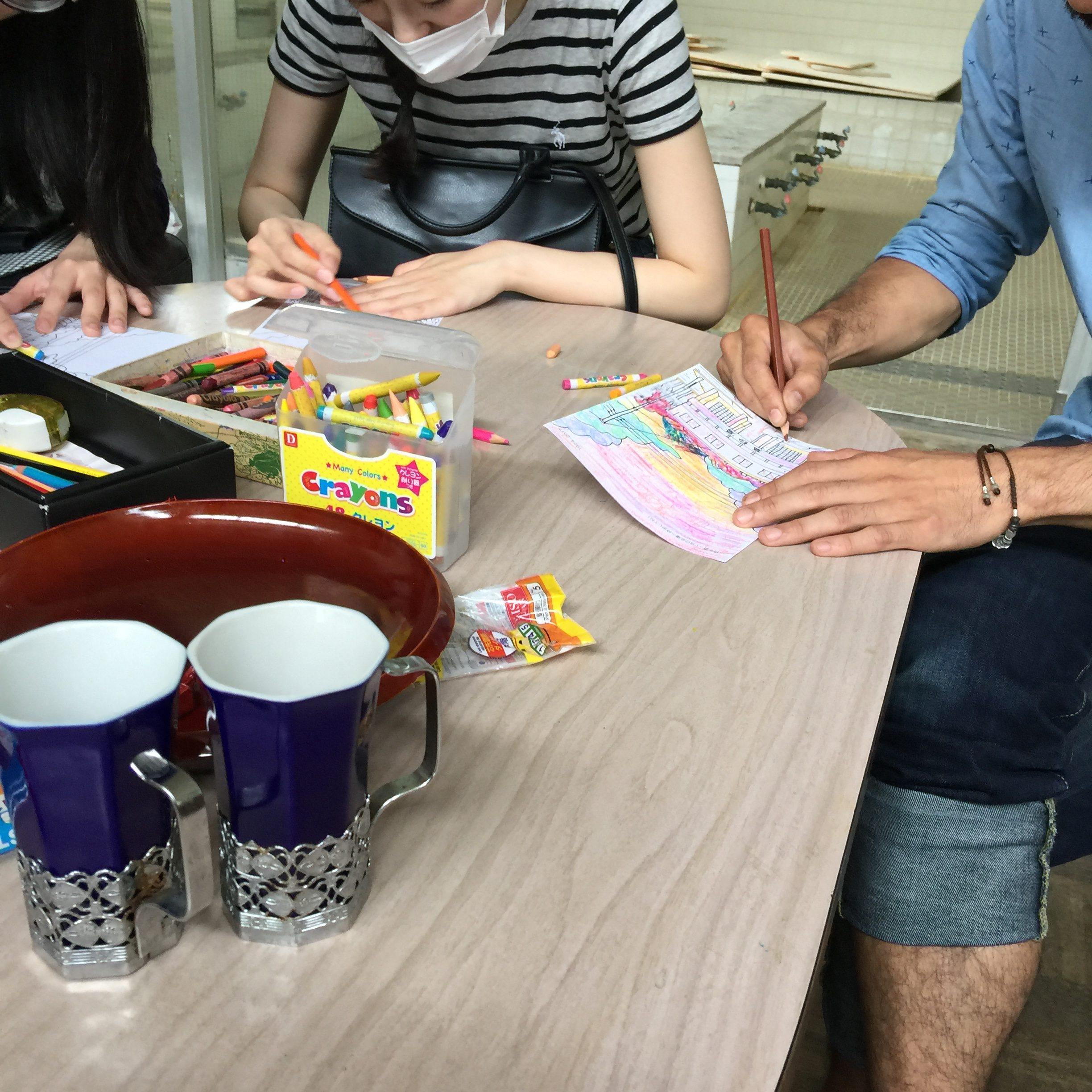
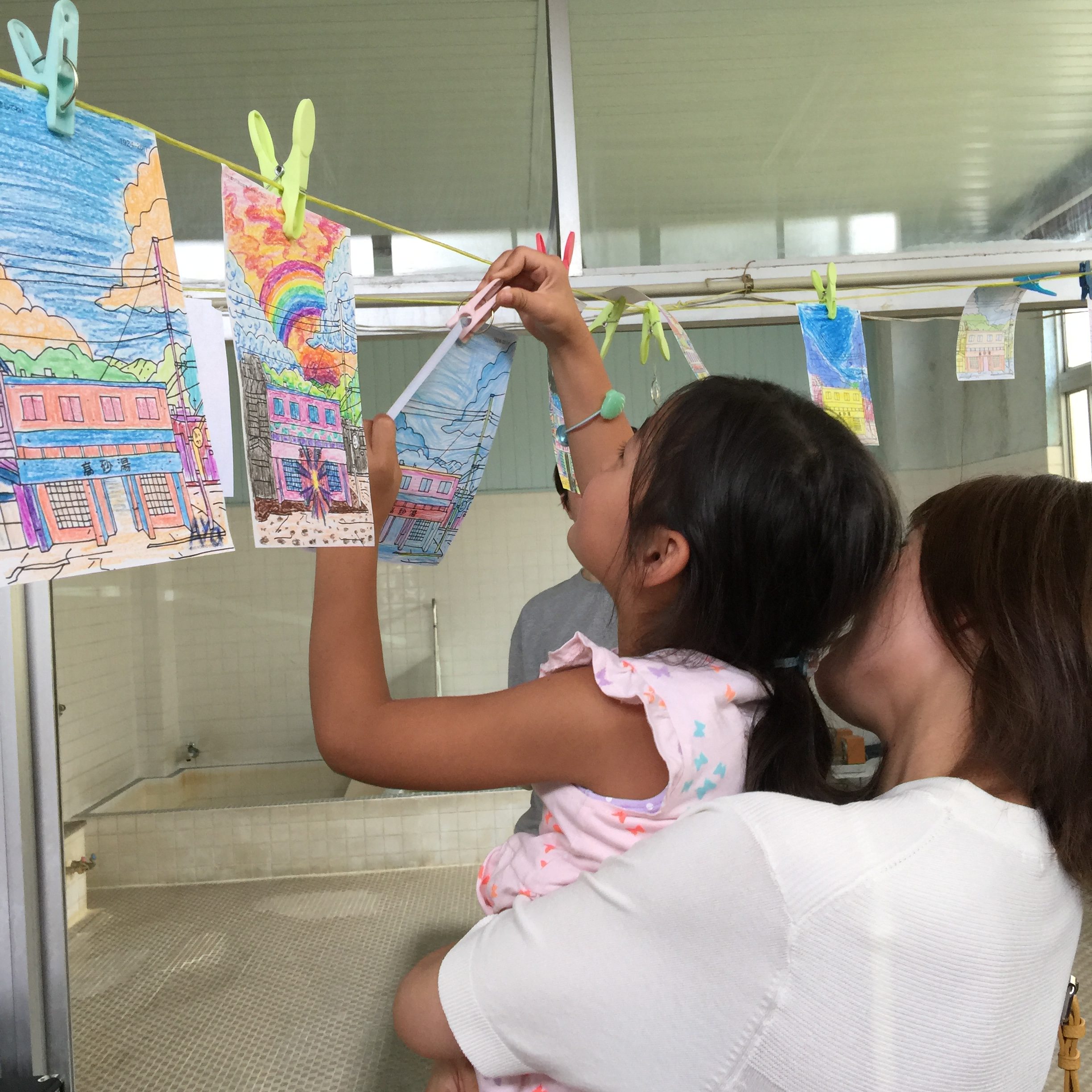
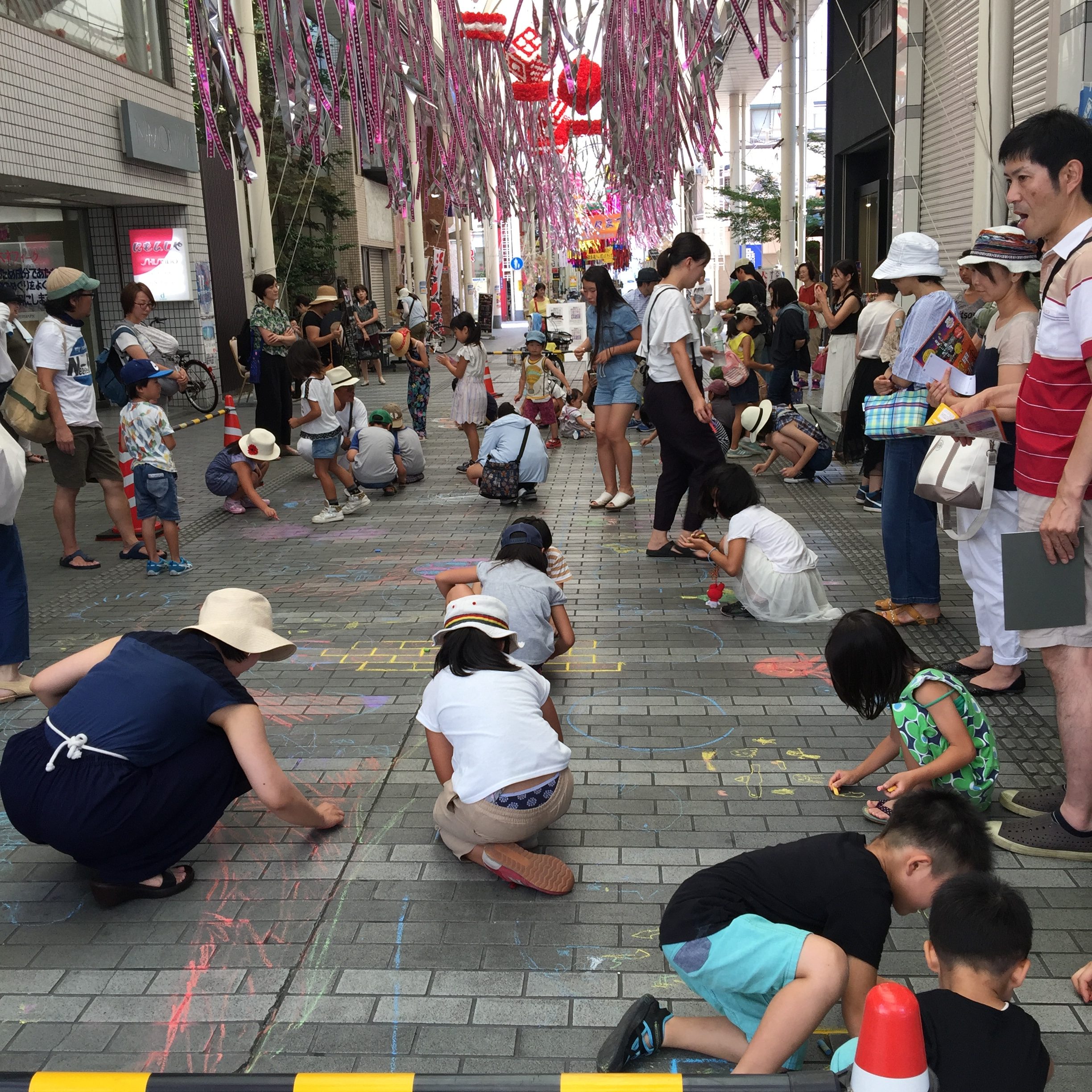
今回の「Scent of Water セント・オブ・ウォーター」では、参加者が五感を使って空間と作品を感じることができます。今はもうない水の記憶が過去と現在を結び、ここにないものを呼び起こします。そして今回は猛暑の季節に開催を受けて、足湯ならぬ足水を浴槽にご用意、参加者同士または作家たちと足を水につけながら気軽におしゃべりできます。高砂湯ぬりえコーナーもお楽しみください。
言葉や文化の異なる人々が同じ場所で展示することで生まれるダイナミックなエネルギー、そしてその中で語り合うという行為が、見知らぬ人同士の間にある鋭く尖った空気や境界線を音もなく静かに和らげるでしょう。銭湯は誰にでも開かれた特別な場所なのです。
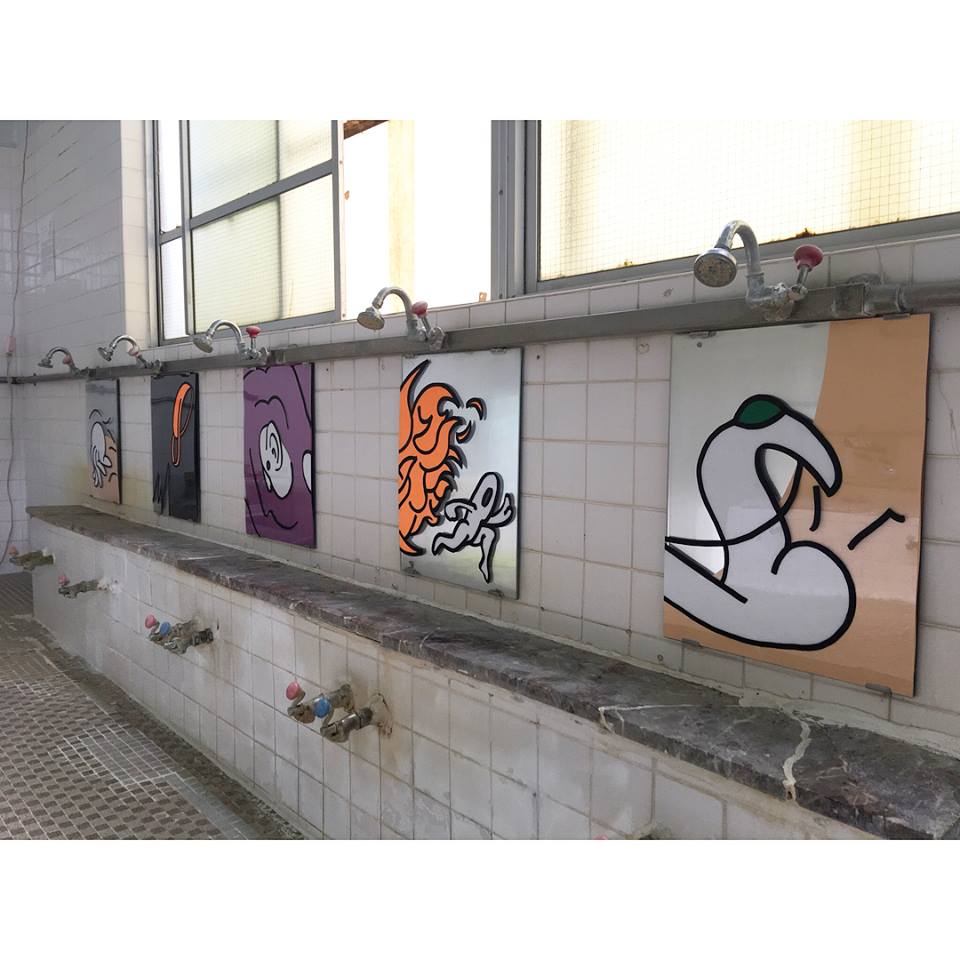
A dark cave and a rustle in the rushes. Someone flees the scene of a crime, or they just went out to get an ice cream in another dimension.
I like to think of my drawings as crime scenes with clues for the observer to figure out what happened, and what’s about to happen next. Only there might not be a perpetrator, and no single way to solve the puzzle.
“Death is the mother of beauty. Only the perishable can be beautiful, which is why we are unmoved by artificial flowers.”
– Wallace Stevens
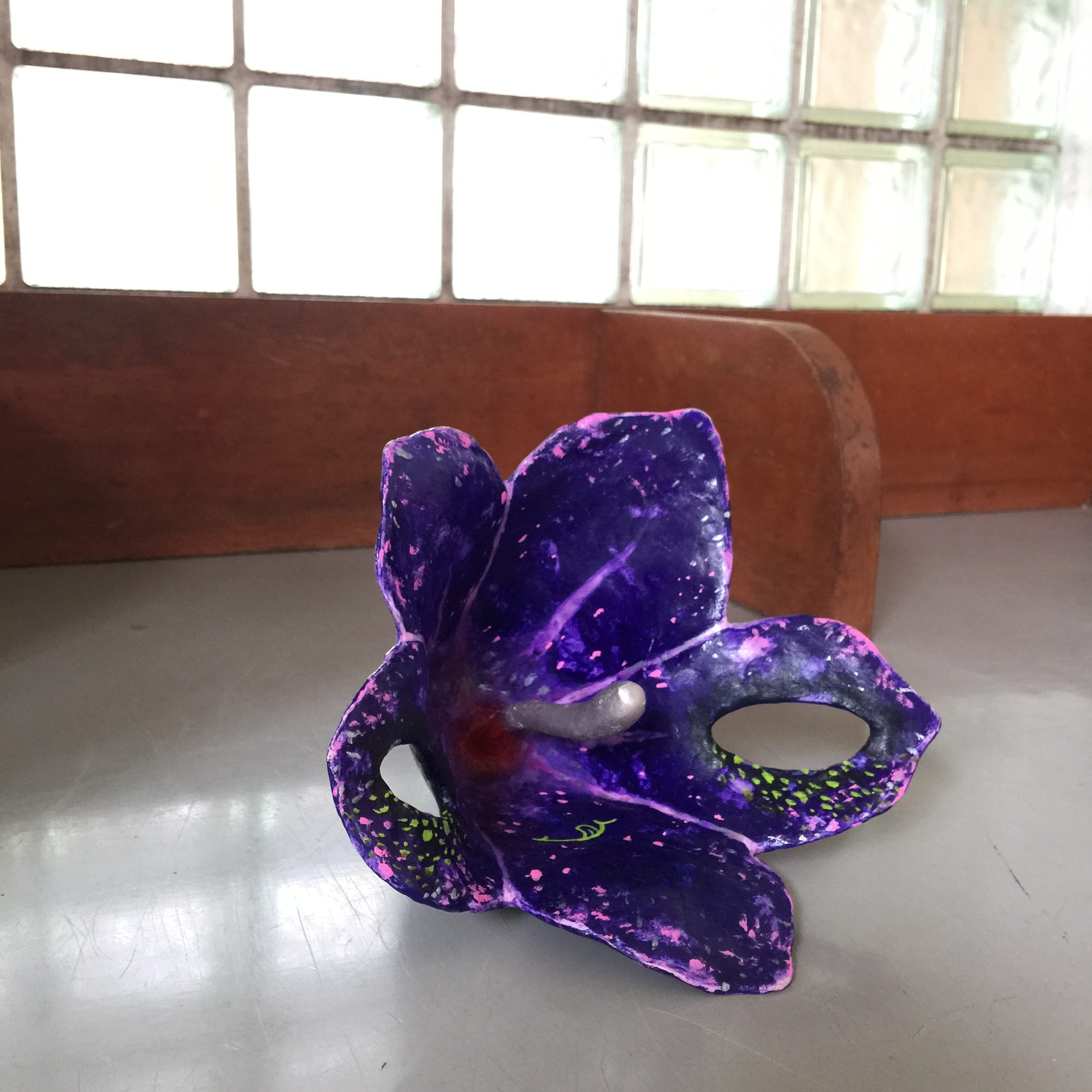
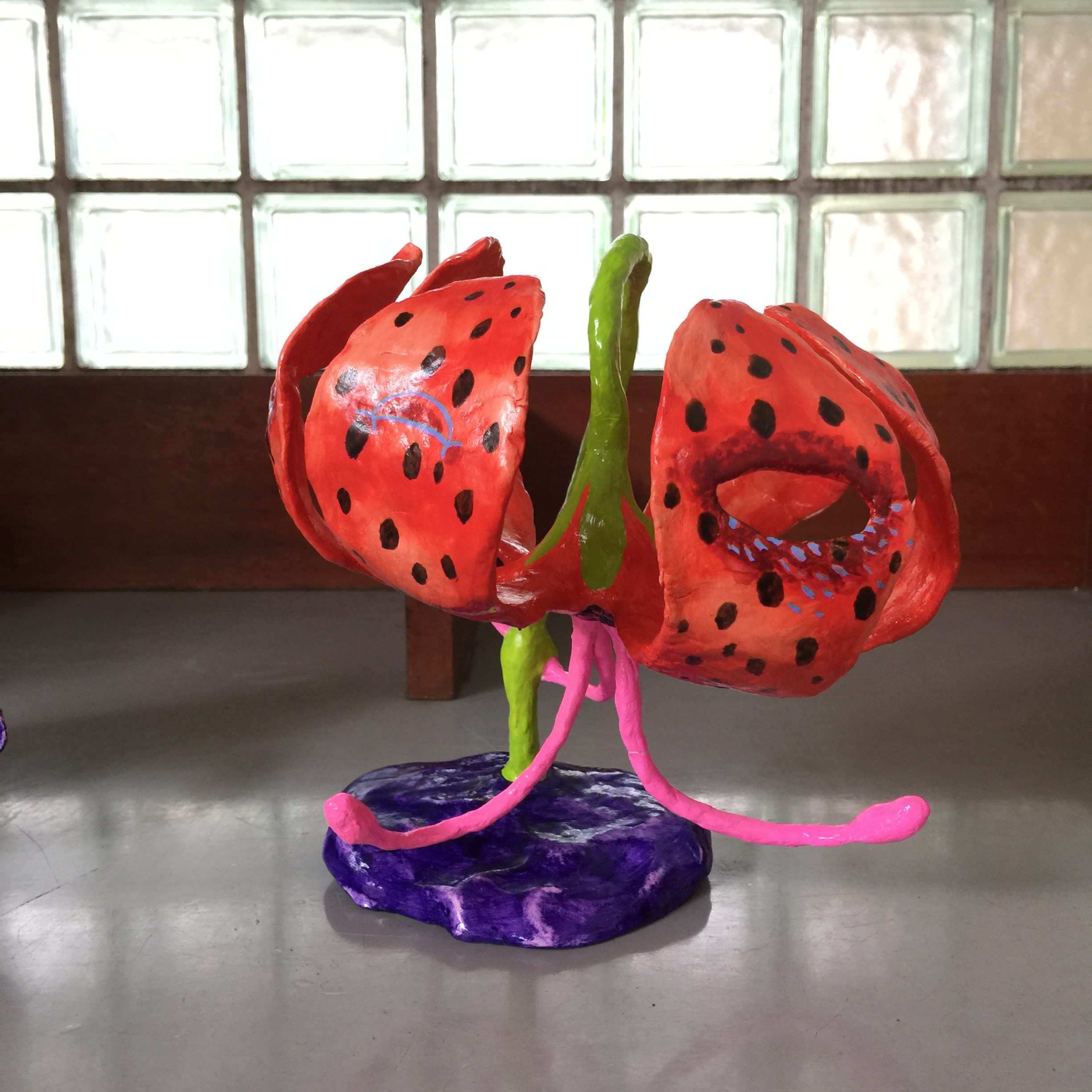
Upon seeing an orchid fanned out like a tiny piece of firework or a bluebell so fragile and sorrowful in its´ stance, I can´t help but consider them deeply sentient beings.How perfectly they mirror the emotional passages of human life. Some with graceful humility, others with vibrant charm or crass sexuality.But then as soon as I stop to appreciate this, the next realization dawns upon me. Their time of bloom will soon be over.
These works are a celebration of the flora that is now in full bloom in Kofu.
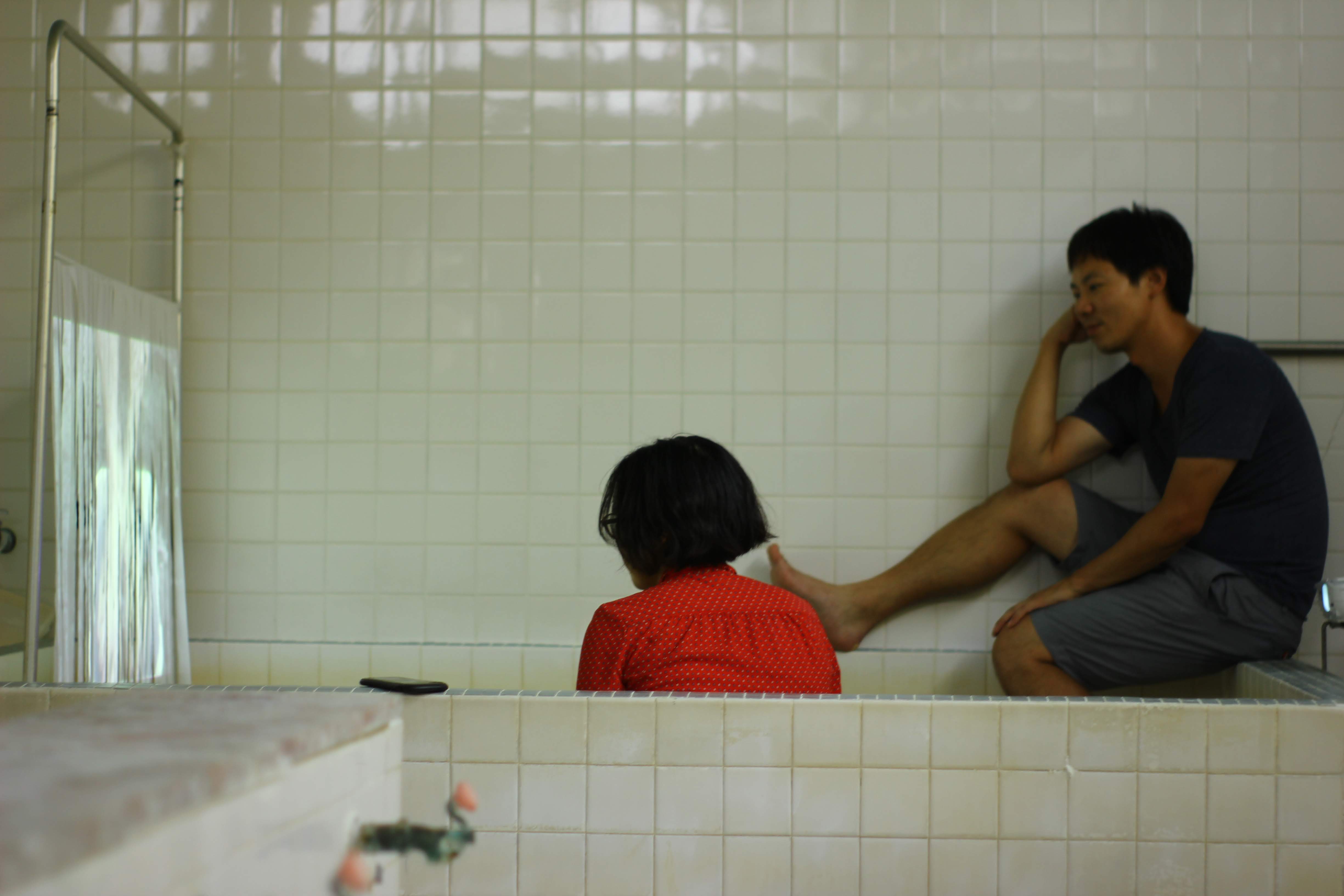
Bathhouse encourages a strange intimacy. Young and old, varying body sizes, muscular or thin, bald or hairy, rich or poor distinctions all disappear. One discovers remarkably same biological traits, then a shared comfort in commonality. Thus, bathhouse easily fosters conversations. A statement on weather can turn into a discussion about work, personal background, politics, philosophy, etc.
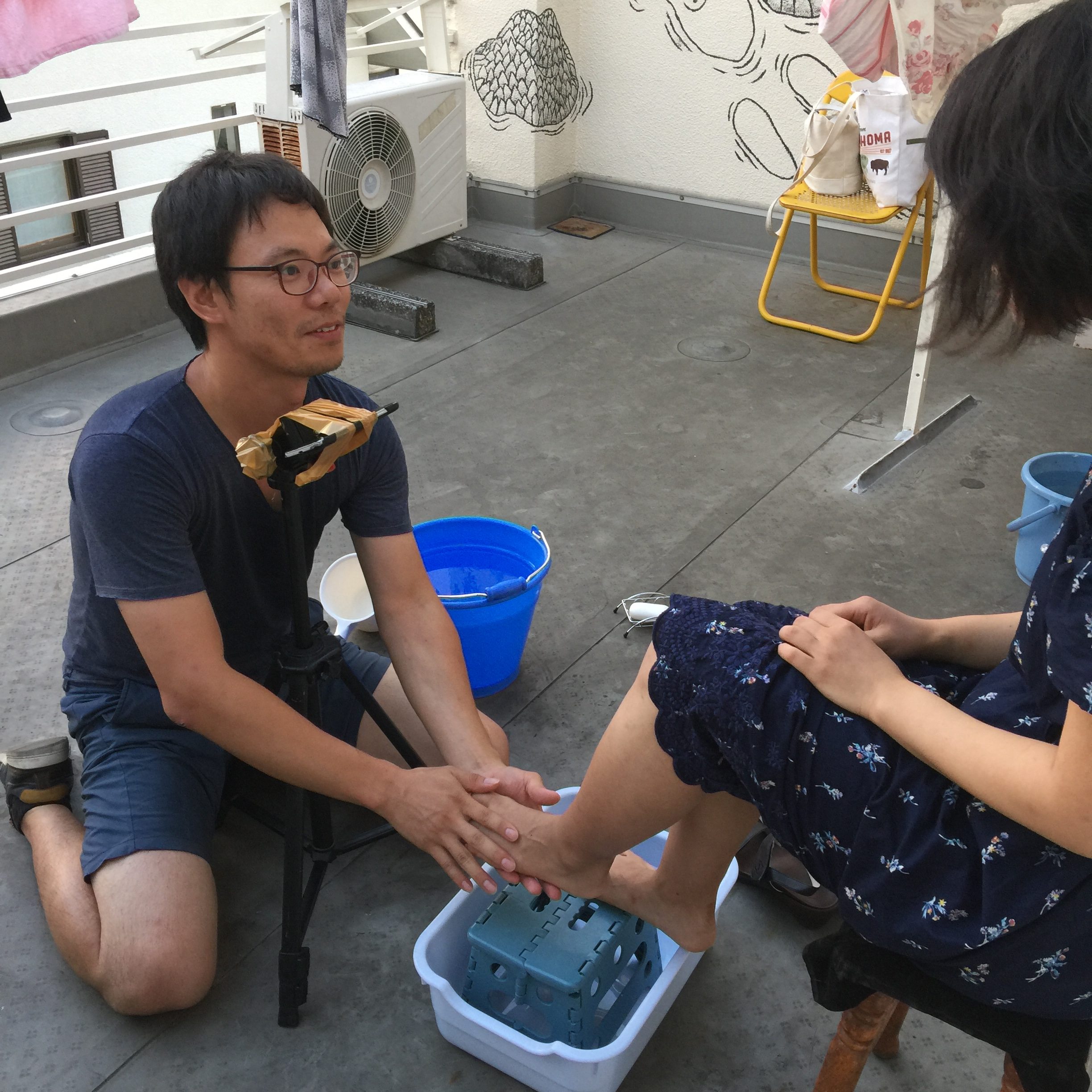
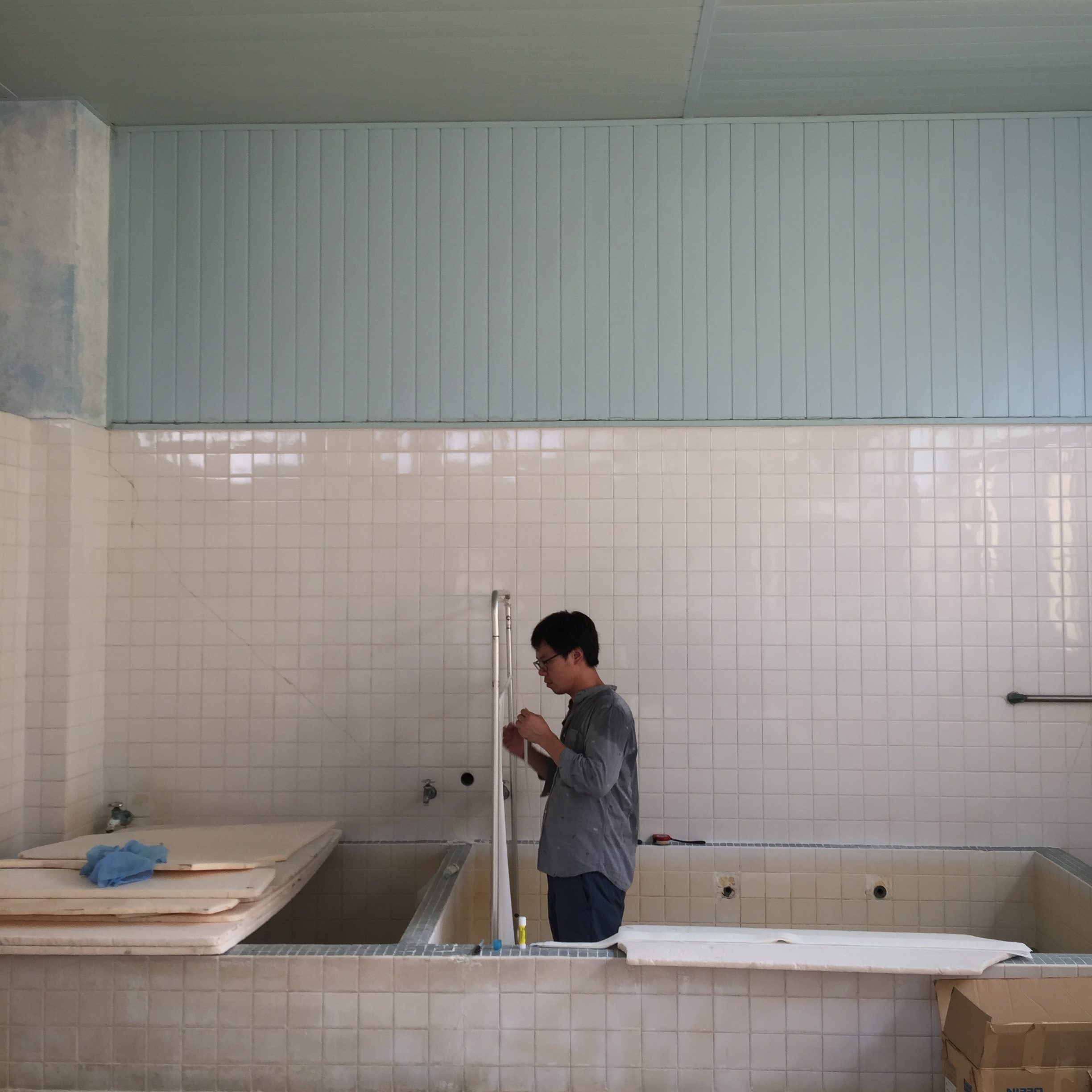
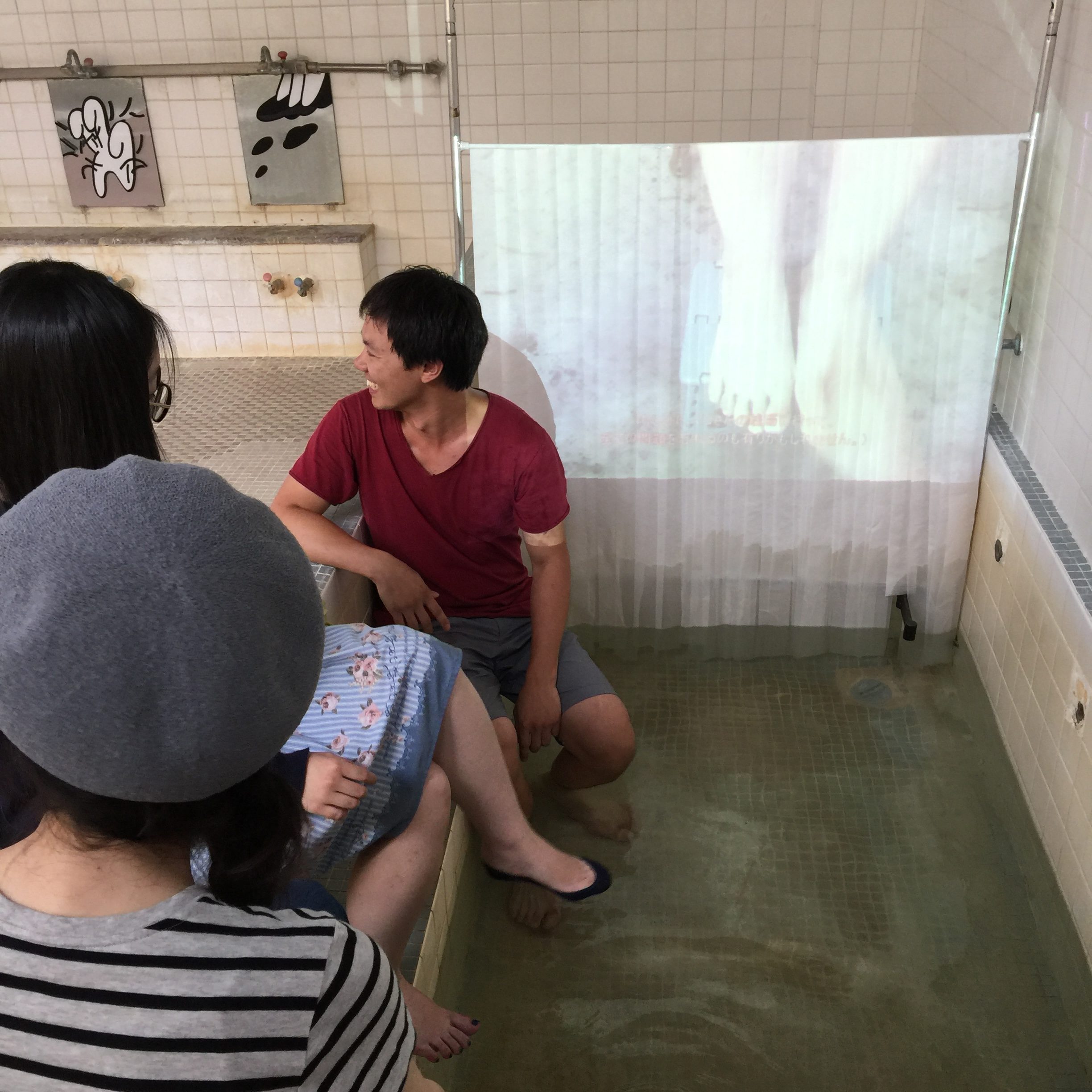
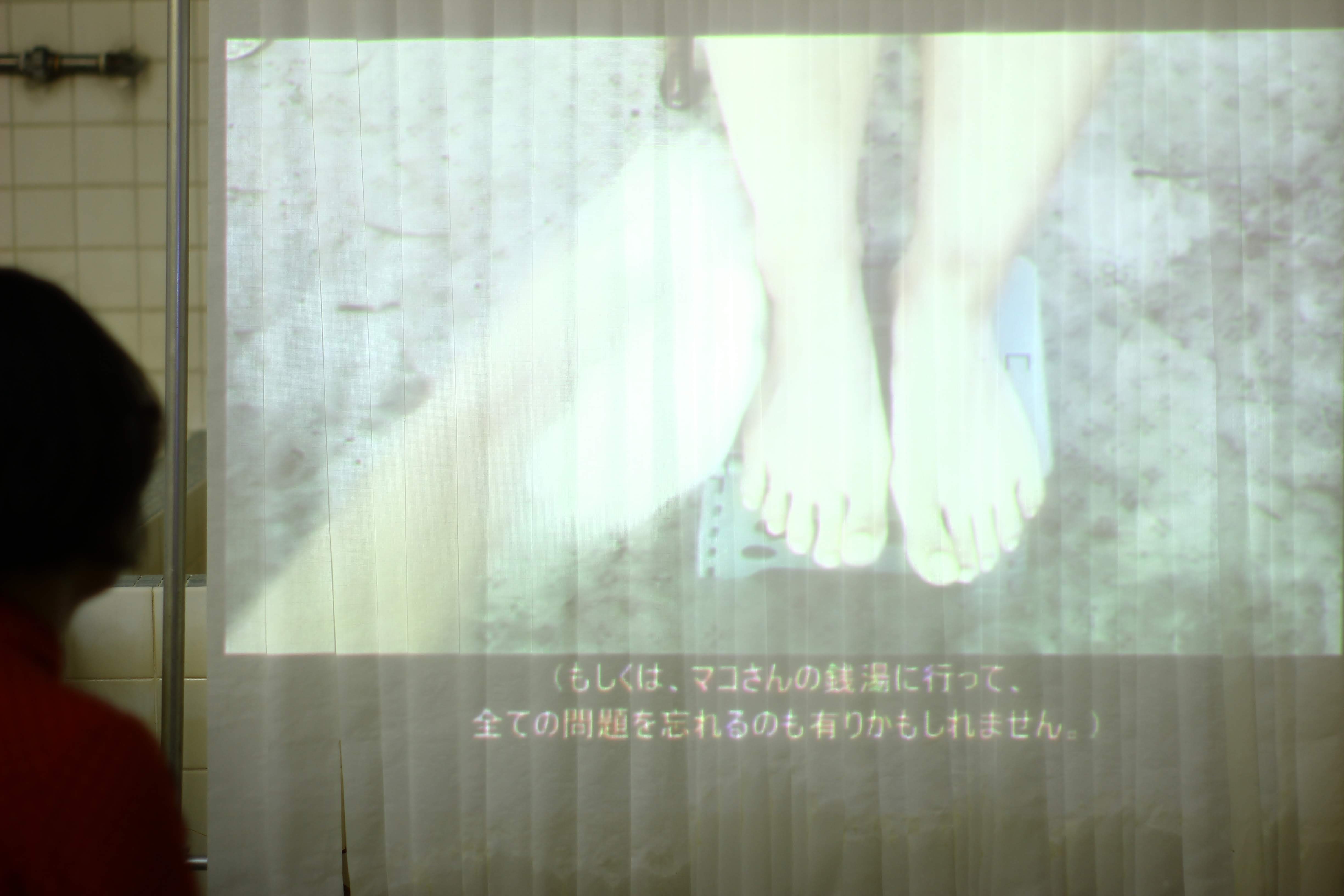
Washing guests’ feet recreates such condition of physical intimacy found in a bathhouse. Beyond that, it is highly open-ended gesture that can signify humility, humbleness, a symbolic cleansing act, or a religious ritual. Each guest was then encouraged to recall and share personal experience related to bath and bathhouses, and a collected story is presented as a whole. The installation in a retired bathhouse recalls its past history, absence of bathers, ephemeral human experiences and interactions. It may be that bathhouses as a forum for communication are being replaced by virtual spaces and sites. But the physical intimacy and its ability to initiate a human connection remain in various forms in different places, as in barber shop, massage parlor, and in dancing. Hopefully through listening to these collected stories, a quality so common and central yet profoundly human shared in all of us may be discovered.
“The whiteness, tension, and purity of paper can bring out the delicate nature of people.” – Kenya Hara
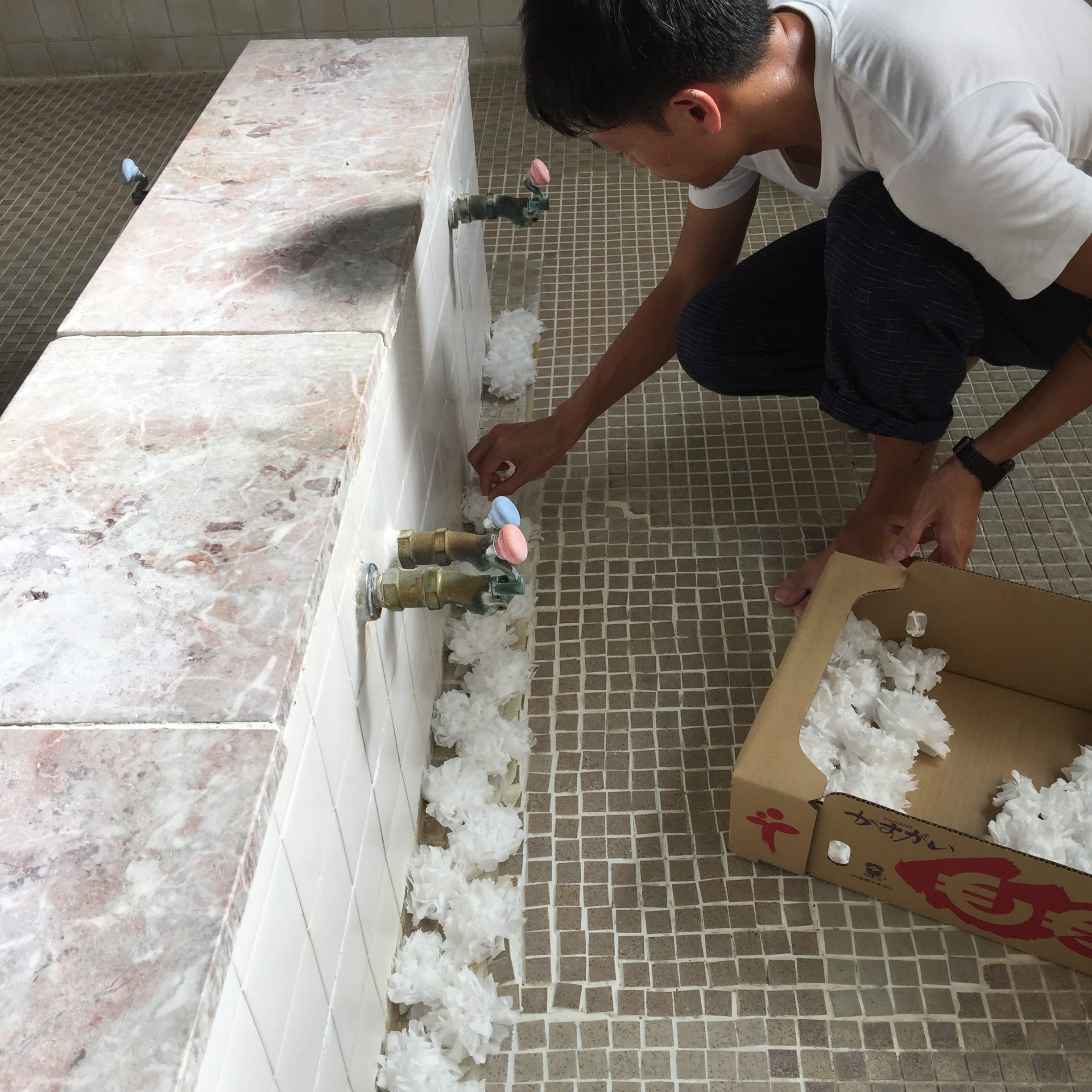
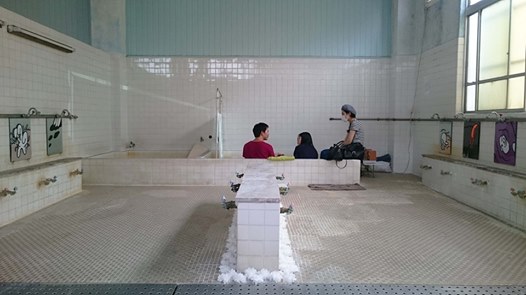
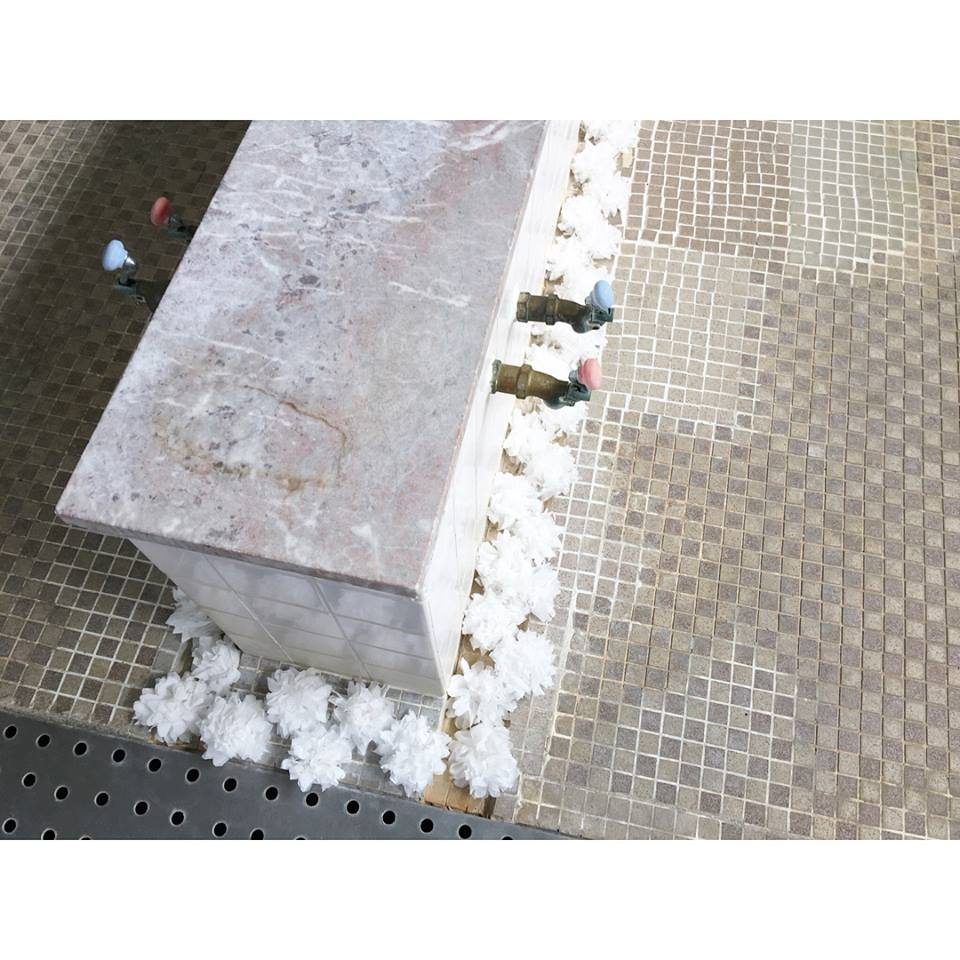
The feet being the part of the body connected to our physical environment, the information received through the sole of the feet becomes the source of the idea for this artwork. The first impression is of the dryness on the floor that is supposed to be wet. The material choice of the artwork being of tissue paper is a response to the above. If the sento is in service, the floor will be wet and the paper pieces will not be able to exist. The dryness of the floor and the momentary scent of soap becomes the idea for Pang’s artwork.
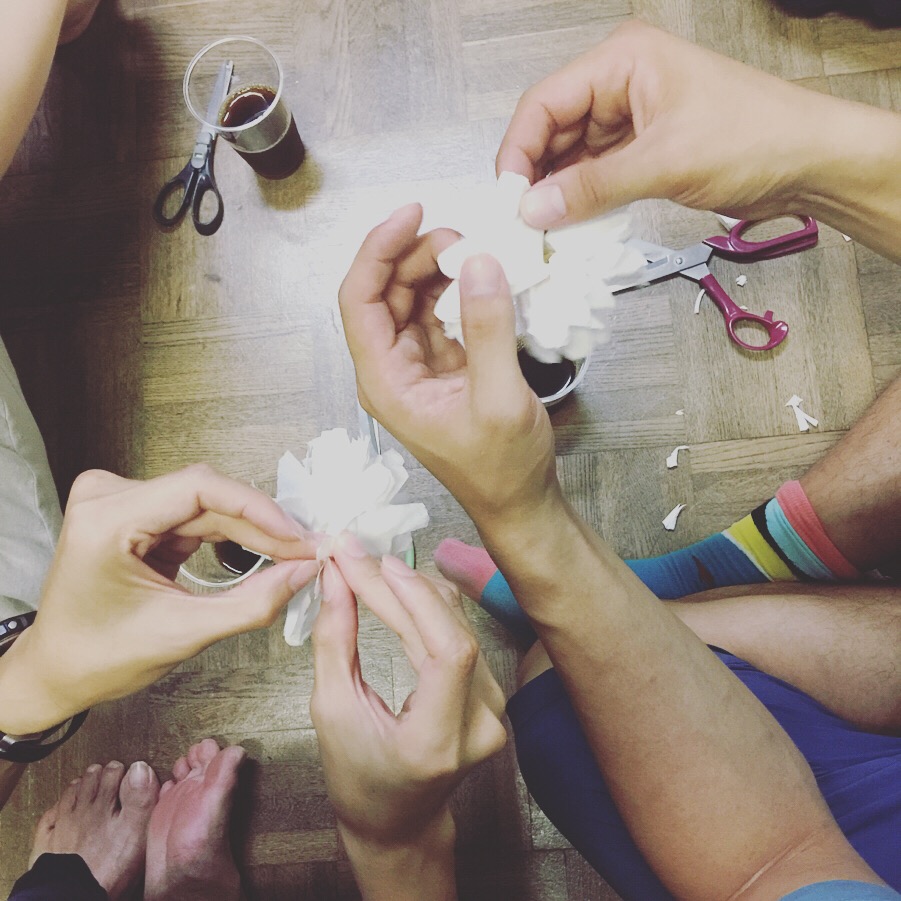
A workshop 「咲かせよう❀水花」was organized on the 2018, July 18 at Takasago-yu for the local community to collaborate in the making of the artwork.
93 years later hopes to serve as a way to remember both what used to be there and also to celebrate the possibility of what could happen, when the space comes alive again.
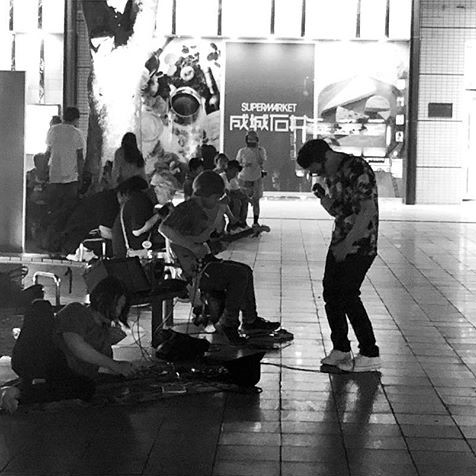
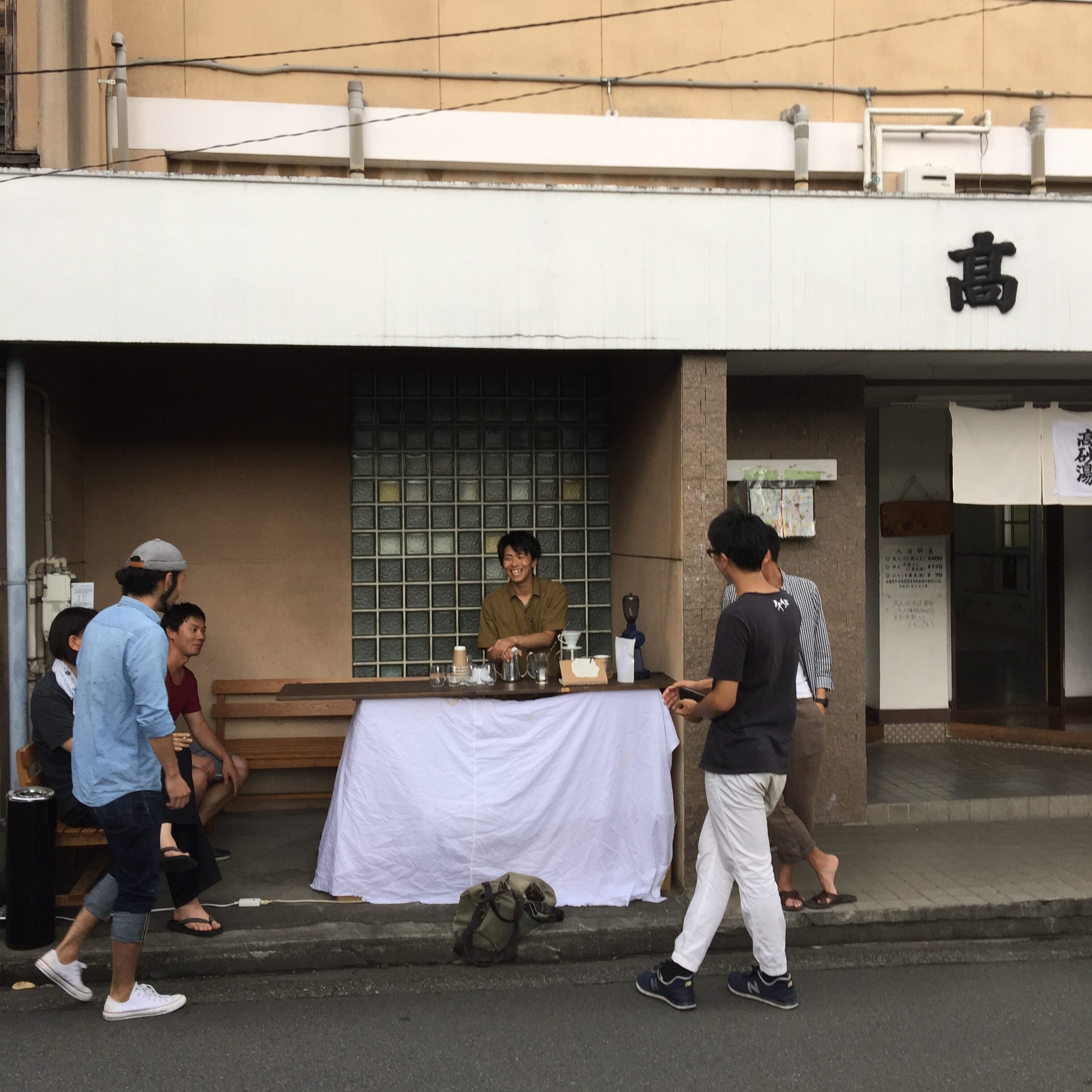
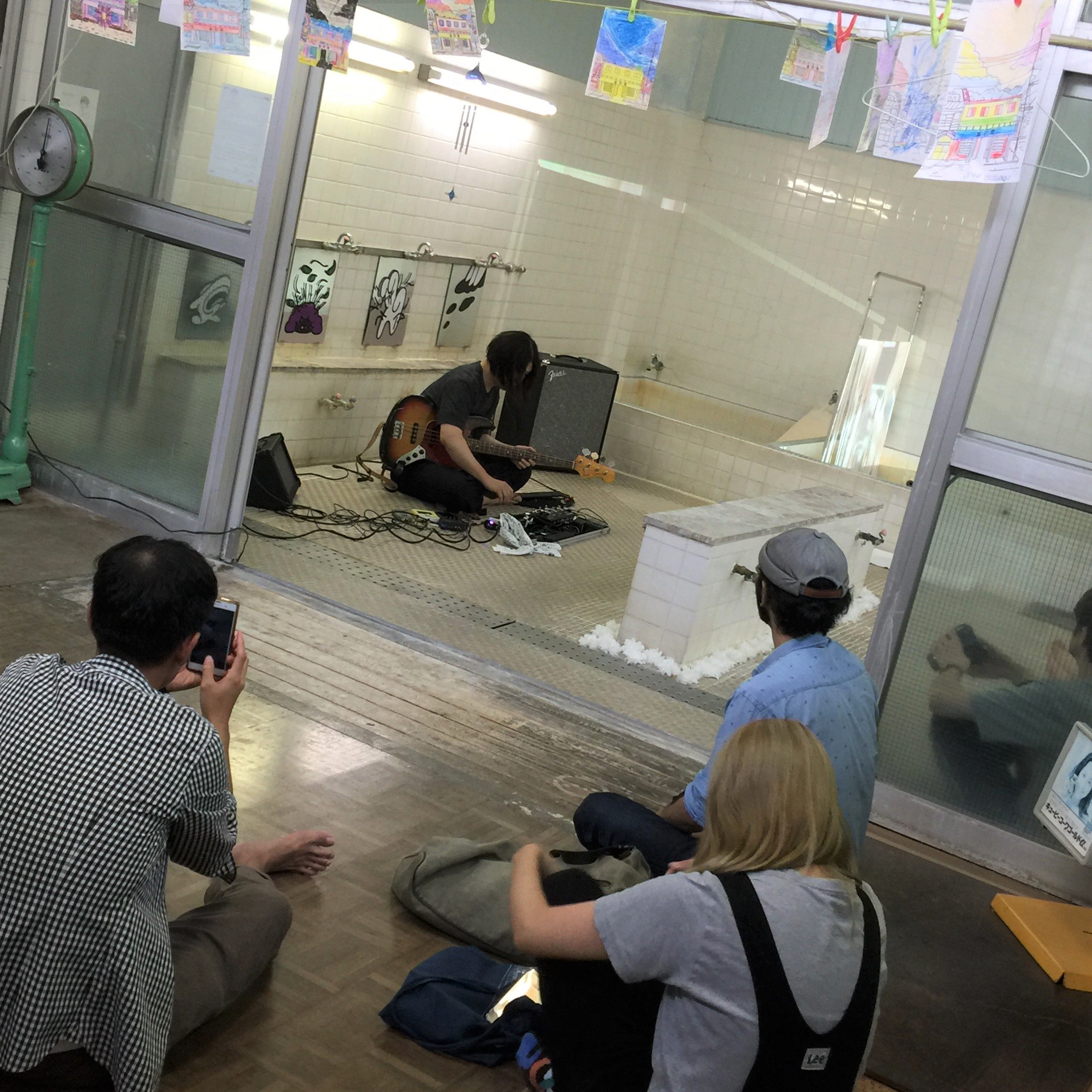
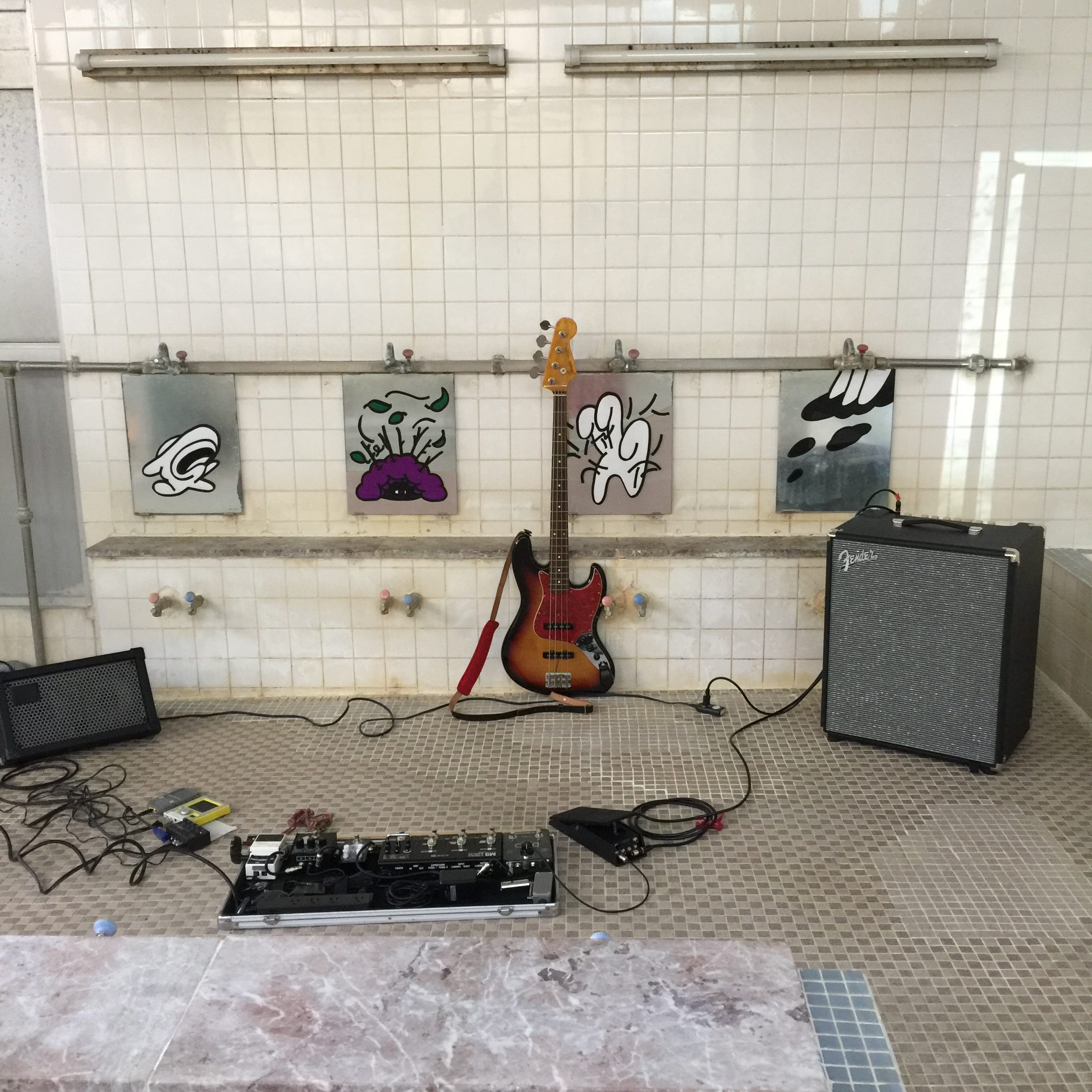
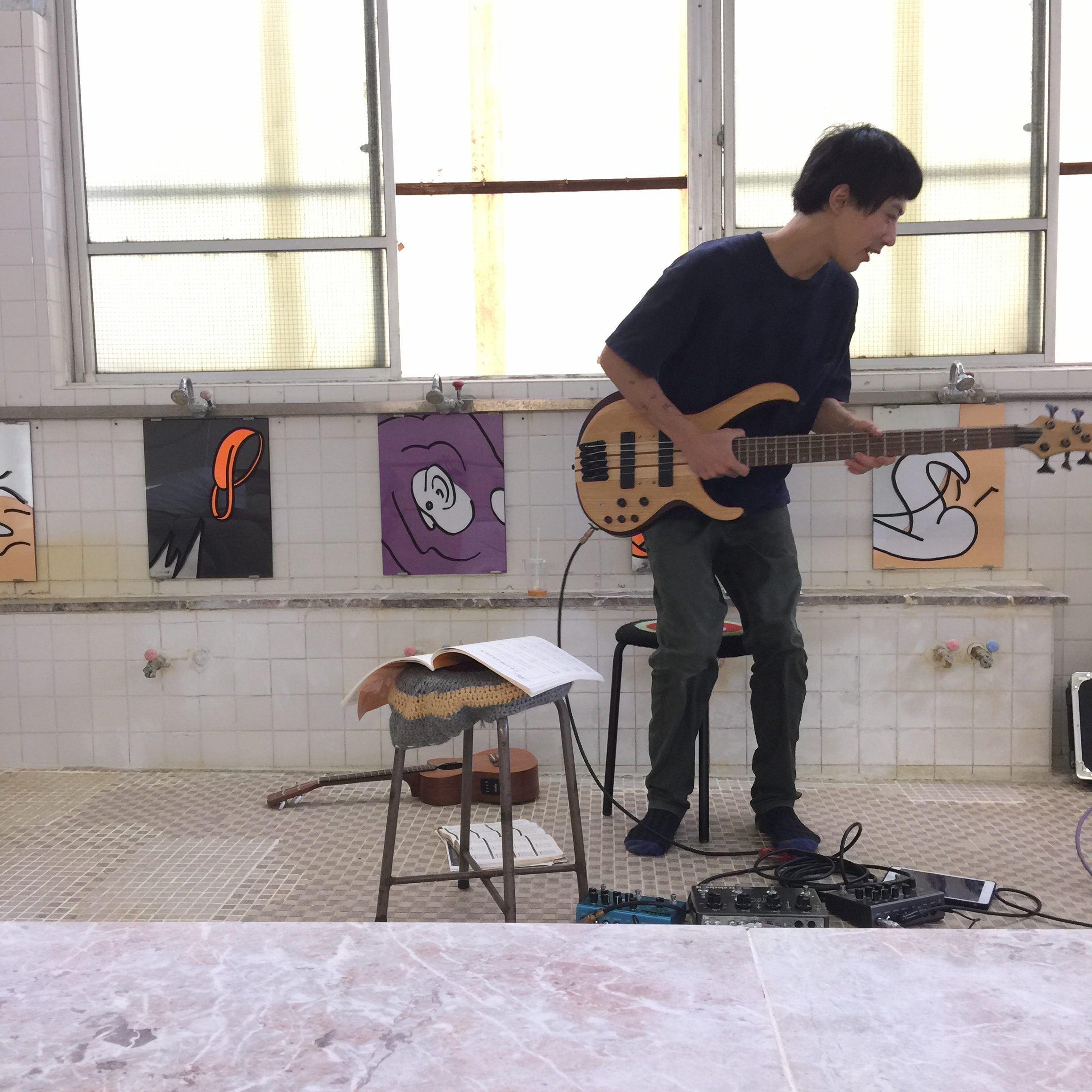
高砂湯「scent of water 展」でのサウンドパフォーマンスは無事終了。今回仕込みが甘く(やり忘れたネタも多々、、)粗めの演奏になり反省。しかしこの場でのライヴも2回目ということで、場の特性を掴めてきたり脱力できたりと収穫も。ご静聴多謝。
4名の参加作家ともリラックスしたコミュニュケーションができ良いチームだったのではないかと。季節と彼らの人柄が滲み出てた心地よくそして奥行きのある展示だった。nao君のライヴもこれぞアンビエントで気持ちよく微睡めたのです。
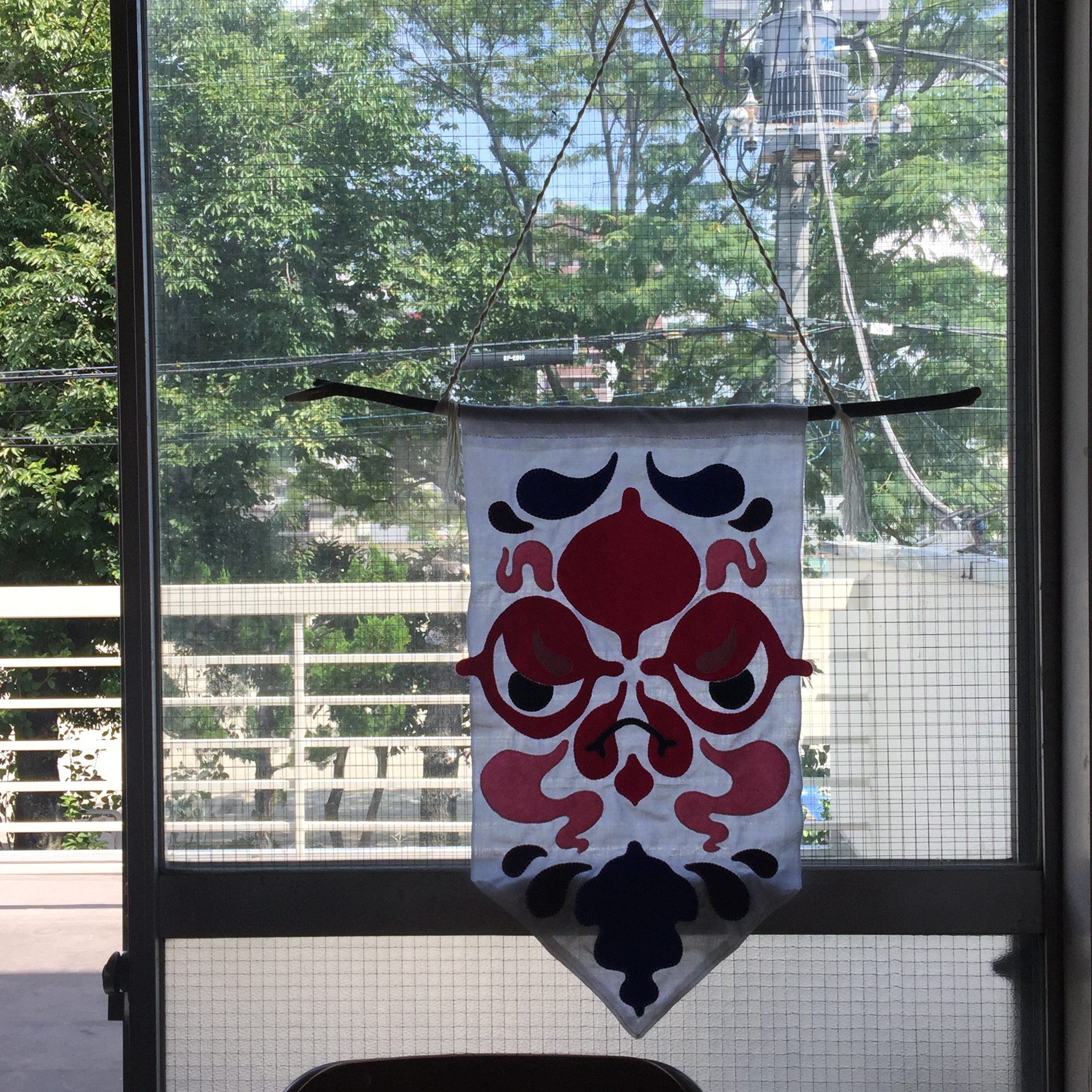
My works in recent years had seen drastic changes both in concepts and visual languages. I found myself increasingly drawn to and inspired by traditional Buddhist art. In the hindsight, this was not a surprise considering my past adolescent years spent living in Myanmar, a Buddhist country located in Southeast Asia. I began to utilize shapes, colors, and symmetry found in Buddhist art and incorporated them into my artworks, while reading the history and influences of Buddhism in South Asia and beyond.
I am interested in an intersection of traditional images/structures of Buddhist art and images/ icons from contemporary popular culture. Recently, I am fascinated by how these two seemingly opposite spiritual and cultural forms adopt, merge, and blend into one another. Use of symmetrical designs and patterns, Mandala-esque structure, and gateway or entranceways found in my drawings and paintings often evoke images used for spiritual contemplation. Yet within this other world, it is occupied with various images pulled from popular cultures, ranging from advertisement, comics and anime, to virtual world and cyber-space. The use of picture plan as an entrance to another world is an ongoing obsession for me. The multiple levels of diagrams, structures, and gateways can signify hierarchical spiritual realms, layers of consciousness, or even sublevels of physical human anatomy.
ここ数年の私の作品には、コンセプトと視覚的言語の両方において大きな変化が見て取れます。自分自身が伝統的な仏教美術に惹きつけられ、刺激を受けていることに気づいたのです。これは青春時代を東南アジアにある仏教国ミャンマーで過ごしたことを考えれば今となっては不思議なことではありません。
南アジアから世界に広がっていった仏教の歴史や影響を学んでいく中で、仏教美術の中に見出した形や色、シンメトリーを利用して作品の中に取り込み始めました。仏教美術の伝統的なイメージ/構造と現代のポップカルチャーのイメージ/アイコンに共通する部分について関心があり、最近ではこれらの一見スピリチュアル的にも文化的にも反対の二者がどのように溶け合っていくのかに魅了されています。
私の作品の中に登場するシンメトリーなデザインや文様らマンダラ風の構図、門や通路といったモチーフの使用はスピリチュアルな瞑想のイメージを呼び起こすものです。しかしその一方で、広告、漫画、アニメからバーチャルワールドやサイバー空間に至るポップカルチャーから飛び出してきた様々なイメージに占められている別の世界があります。出入り口の構想は妄想の段階ですが、複数の図形や構造、門は階層的でスピリチュアルな領域、または均一な身体的構造の意味を持つかもしれません。translation: Mina Ino
/
Ashiyu Monogatari (Healing Bath: Sketches)
Bathhouse encourages a strange intimacy. Young and old, varying body sizes, muscular or thin, bald or hairy, rich or poor distinctions all disappear. One discovers remarkably same biological traits, then a shared comfort in commonality. Thus, bathhouse easily fosters conversations. A statement on weather can turn into a discussion about work, personal background, politics, philosophy, etc.
Washing guests’ feet recreates such condition of physical intimacy found in a bathhouse. Beyond that, it is highly open-ended gesture that can signify humility, humbleness, a symbolic cleansing act, or a religious ritual. Each guest was then encouraged to recall and share personal experience related to bath and bathhouses, and a collected story is presented as a whole. The installation in a retired bathhouse recalls its past history, absence of bathers, ephemeral human experiences and interactions. It may be that bathhouses as a forum for communication are being replaced by virtual spaces and sites. But the physical intimacy and its ability to initiate a human connection remain in various forms in different places, as in barber shop, massage parlor, and in dancing. Hopefully through listening to these collected stories, a quality so common and central yet profoundly human shared in all of us may be discovered.
Working with narratives from everyday encounters, Pang has a research and clinical interest in the application of the arts in serving terminally-ill individuals and their loved ones. He sees his work through the arts as a way to inquire, understand and humanize the harshness of circumstances in lives. His art practice consists mainly of self-directed work and on occasion, with community partners and friends. His installation works have been commissioned by the Singapore Art Museum and Owl Spot Theater in Tokyo, Japan. Traces of his written work is also found in independent book spaces in Singapore, Hong Kong, some parts of Taiwan and Australia.
Pang had presented his work on art and loss in Melbourne, Australia at the art therapy conference organized by the Australian New Zealand Arts Therapy Association (ANZATA) in December 2017. He had also recently completed his postgraduate training in art therapy at LASALLE College of the Arts, Singapore.
During his month-long stay in Kofu-city, he hopes to experience and witness how art can facilitate personal reflections and interpersonal encounters with the local community.
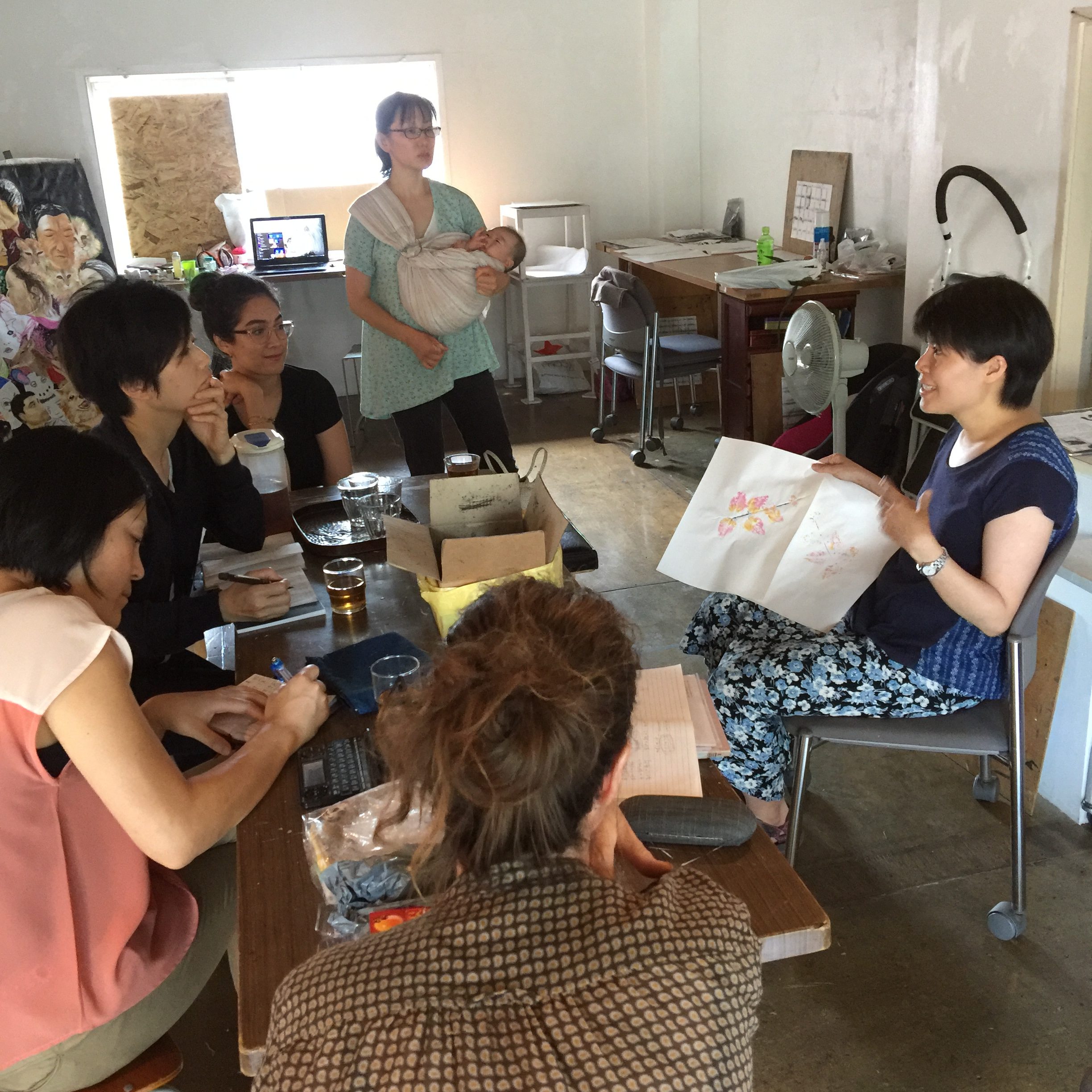
I am interested to approach my residency from an Open Studio perspective, which means the workspace* will be open, with art materials for the public to access and work with. The work they make can stay in the space or can be brought home. I am interested in the dynamics that might happen when people with language barriers / cultural differences work together in the same space, without an assigned directive, over a period of time… and in how artmaking can soften edges between strangers. A Japanese-speaking staff is always welcomed to stay during the duration of the Open Studio hours, to assist in explaining the concept to the locals and to make art.
日々遭遇する物語を元に制作を行う作家は、末期症状の患者と彼らの愛する人のために役に立つアートのアプリケーションに興味を持ち研究を行っている。彼は自らの作品を調査や理解のため、あるいは生活環境の厳しさを暖かみあるものにするための一つの手段としてのアートと捉えている。主に一人で、時にその地域にいる仲間や友人と実践することもある。シンガポールアートミュージアムや東京の豊島区舞台芸術センターに依頼されてインスタレーション作品を制作した経験もあり、著述作品はシンガポール、香港、台湾、オーストラリアの独立系ブックスペースで売られたりもしている。去年の12月にメルボルンで開催されたオーストラリアとニュージーランドを拠点とるアートセラピーの団体AZATAの会議にて愛と喪失についての研究を提示、最近ではシンガポールのラサール・カレッジ・オブ・アーツにてアートセラピーのトレーニングを終えた。
甲府での滞在期間中、作家はアートが地域のコミュニティーでどのように個人的な反応や人と人との出会いを促進するのかを実際に見て経験したいと考えている。人々と近づいたり、協働したりするために、制作風景や使用している材料などの制作過程を見てもらうという目的でオープンスタジオというアプローチを取りたいと思っている。彼らが作る作品は、その場に残しても持ち帰ってもよい。一定の期間、言葉や文化の異なる人々が同じ場所で指示や割り当てもなく共に制作することで生まれるダイナミックなエネルギー、そしてアートを作るという行為が、いかに見知らぬ人同士の間にある鋭く尖った空気や境界線を音もなく静かに和らげうるのかというところに強い関心を持っている。translation: Mina
【講師紹介】
Calvin Pang カルビン・パング/Singapore
3D家具デザイン(シンガポール)、ファインアート(英国)を経て
Lasalle of the Arts(シンガポール)アート・セラピー科修士修了
現在はシンガポールの病院に勤務、アート・セラピストとして終末期症状の患者と家族へのターミナルケアに取り組む。
/
’93 units of handmade paper flowers’
“The whiteness, tension, and purity of paper can bring out the delicate nature of people.”
― Kenya Hara
The feet being the part of the body connected to our physical environment, the information received through the sole of the feet becomes the source of the idea for this artwork. The first impression is of the dryness on the floor that is supposed to be wet. The material choice of the artwork being of tissue paper is a response to the above. If the sento is in service, the floor will be wet and the paper pieces will not be able to exist. The dryness of the floor and the momentary scent of soap becomes the idea for Pang’s artwork.
A workshop 「咲かせよう❀水花」was organized on the 2018, July 18 at Takasago-yu for the local community to collaborate in the making of the artwork.
93 years later hopes to serve as a way to remember both what used to be there and also to celebrate the possibility of what could happen, when the space comes alive again.
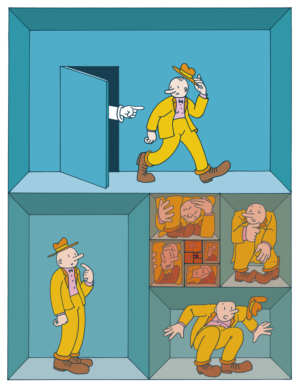
Tension, breaking point moments, transformation and beings on their way to something else. These are reoccurring themes in my drawings. I like to think of my images as crime scenes with clues for the observer to figure out what happened, and what’s about to happen next. I would like to work more with these themes and create suggestive narratives within and between a series of drawings.
I work full-time at a design agency and draw in my spare time. Your residency would allow me dive into drawing in a, for me, unusual and inspiring environment. I think that would be very enriching and developing for my artistry and imagery.
My experience covers several years of art and design studies and professional practice within advertisement and design. I worked in projects with clients including universities, art institutes, Swedish Red Cross, Spotify and Google.
A dark cave and a rustle in the rushes. Someone flees the scene of a crime, or they just went out to get an ice cream in another dimension.
I like to think of my drawings as crime scenes with clues for the observer to figure out what happened, and what’s about to happen next. Only there might not be a perpetrator, and no single way to solve the puzzle.
I wish to lay the foundations for a sculptural and illustrational practice dealing with issues of the self meeting and making reality. To construct objects and spaces as doorways to contemplation where we are allowed to feel lost, lossy and longing.
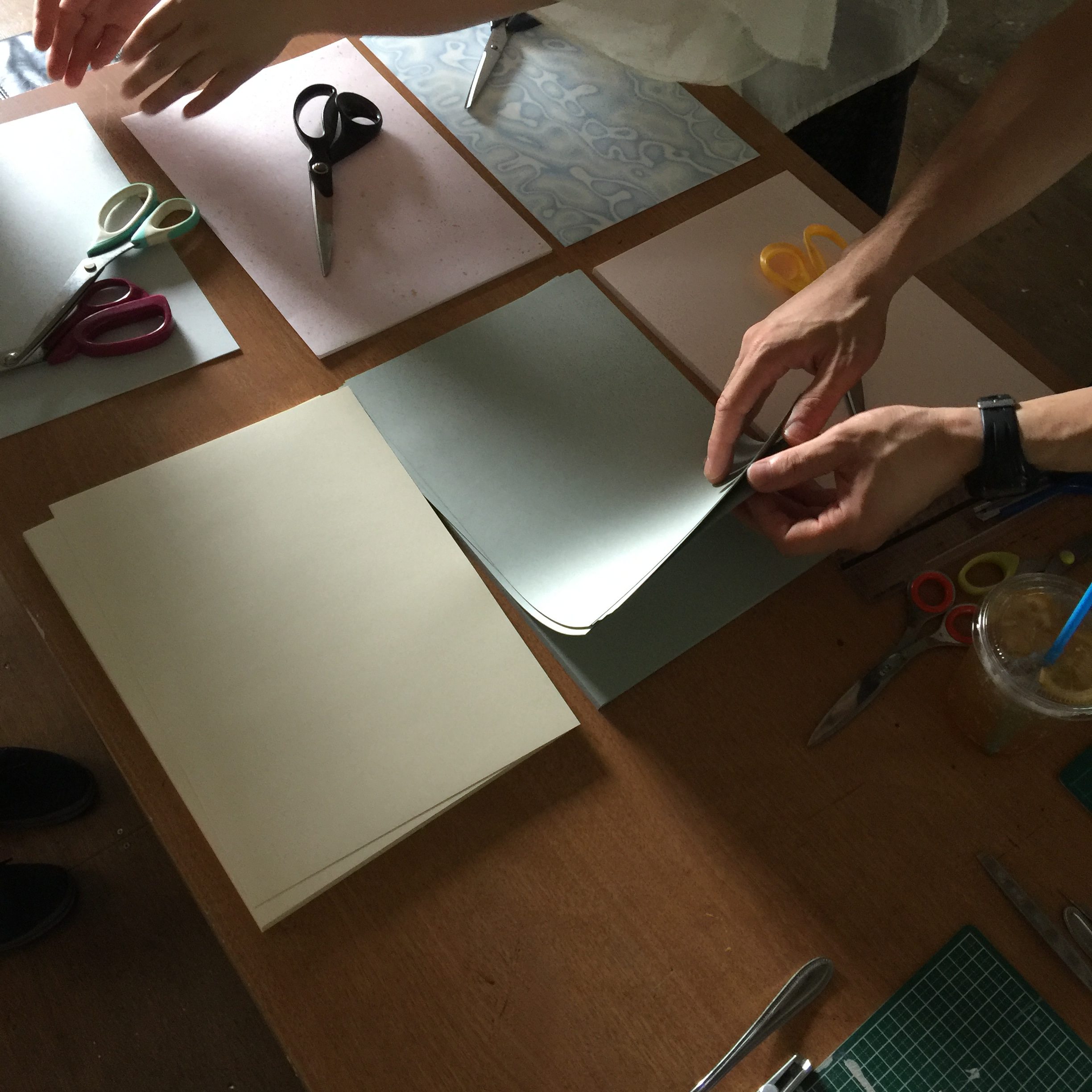
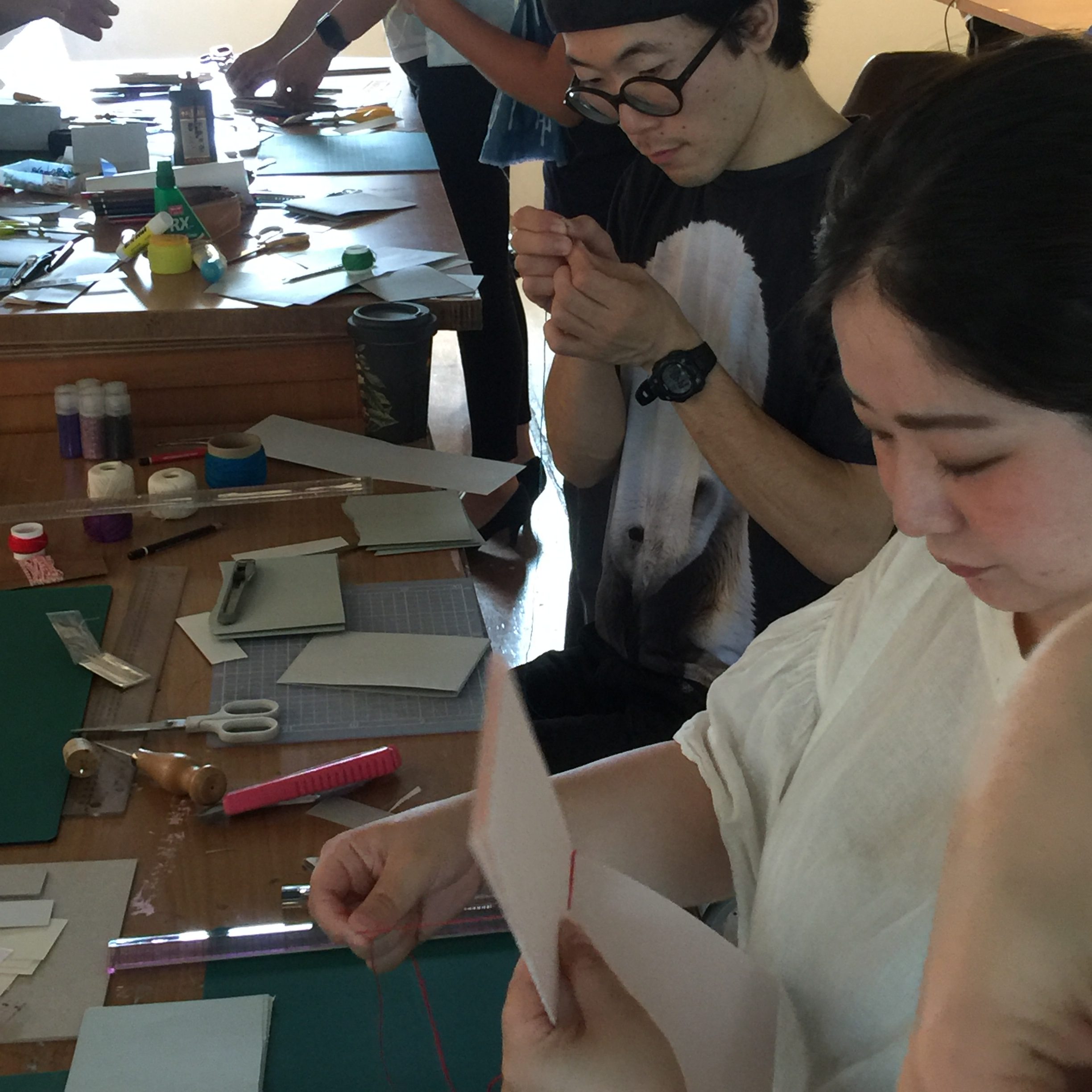
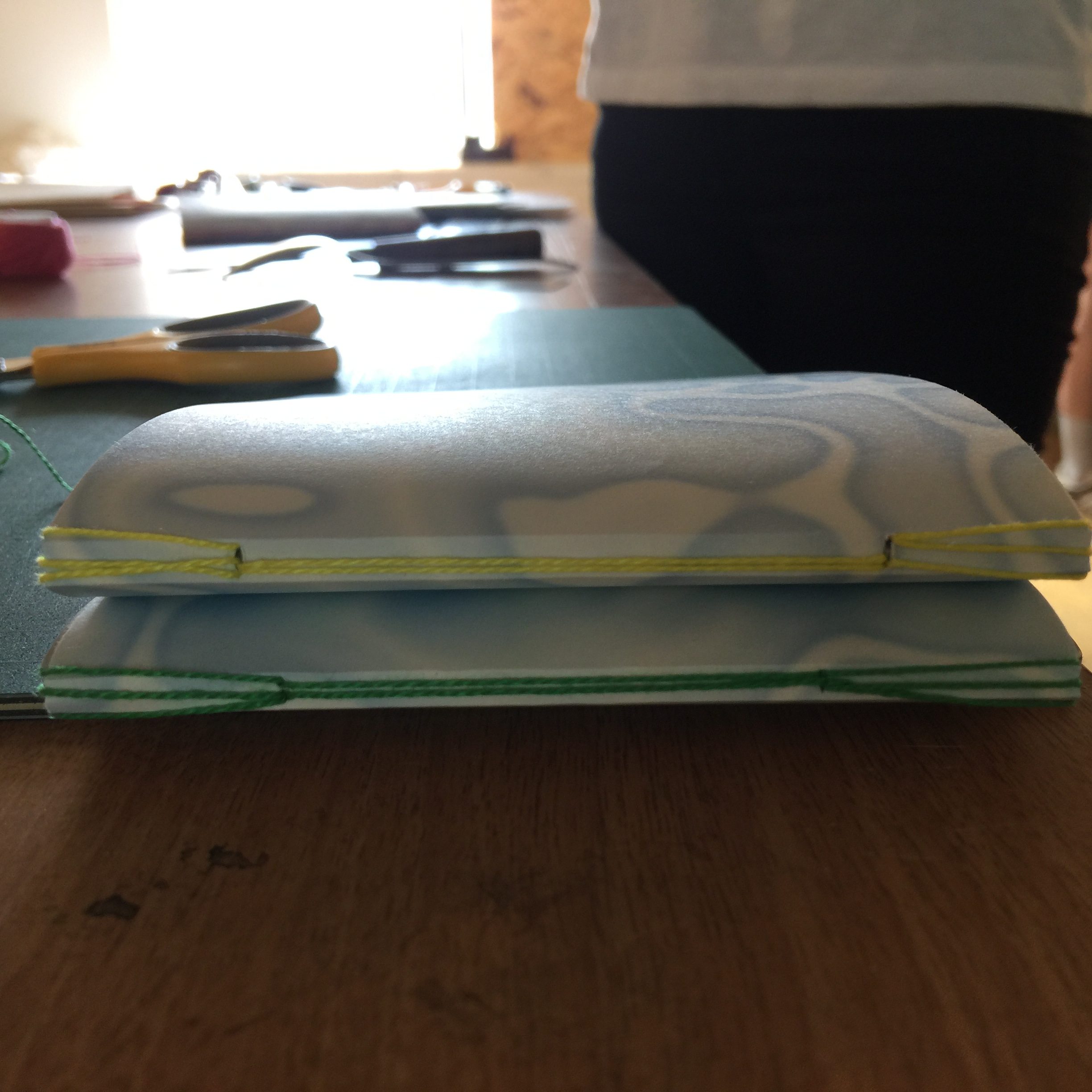
During a residency I aim to explore the potential in joining my practices of sculpture and bookbinding into a coherent whole by letting three dimensional objects become two dimensional through photography and three dimensional again in the shape of handbound books. My hope is that this could bring my sculptural practice closer to a form of narration.
“Death is the mother of beauty. Only the perishable can be beautiful, which is why we are unmoved by artificial flowers.” – Wallace Stevens
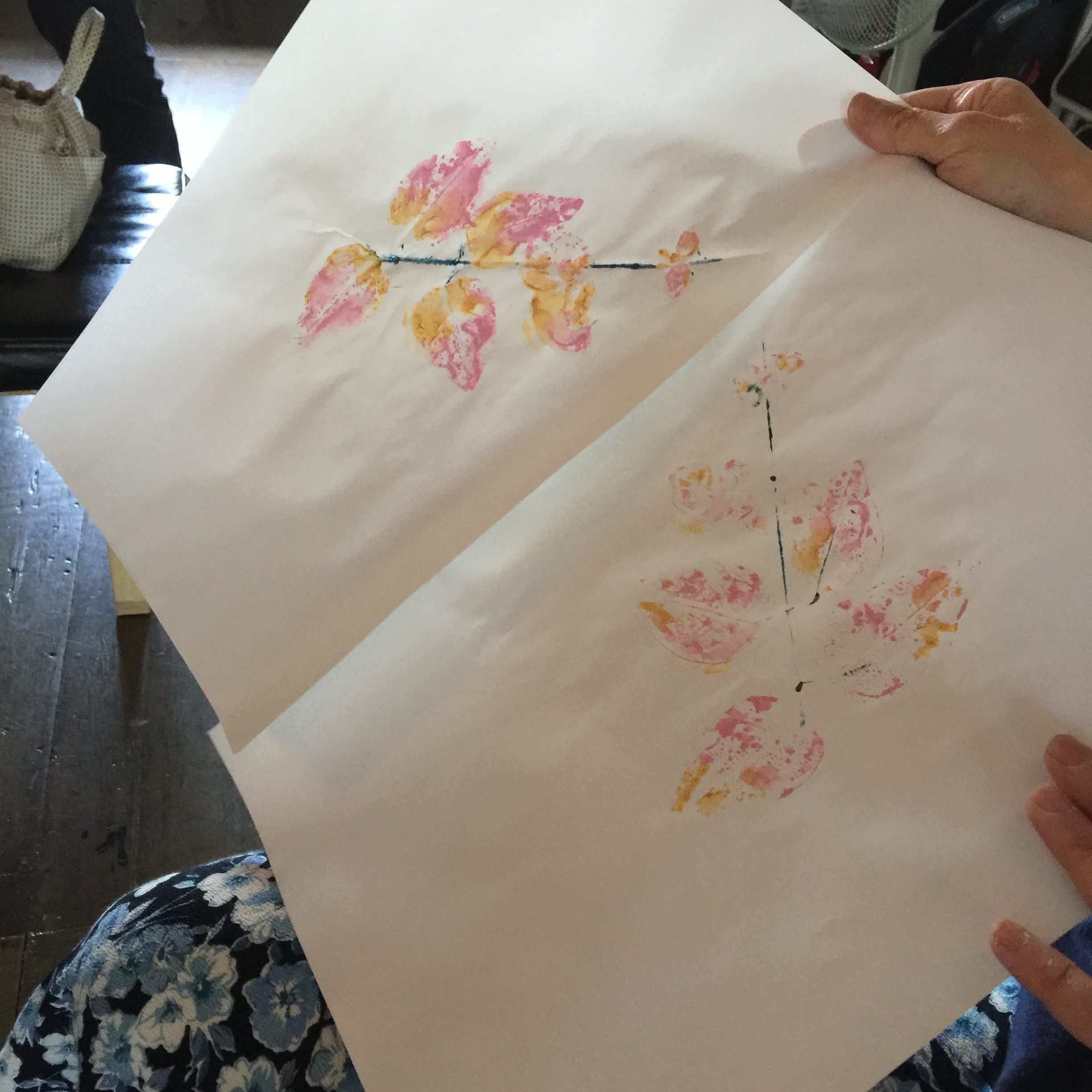
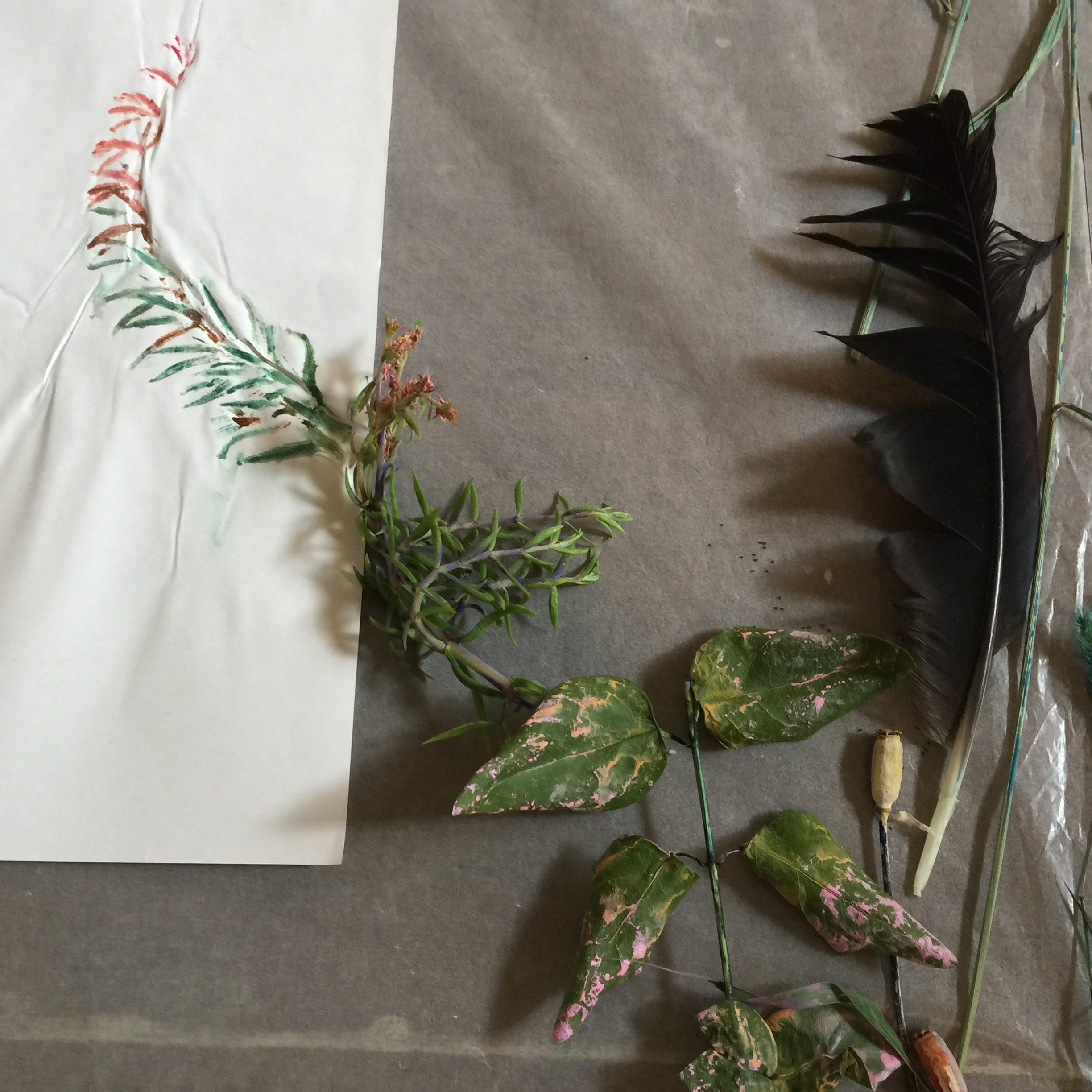
Upon seeing an orchid fanned out like a tiny piece of firework or a bluebell so fragile and sorrowful in its´ stance, I can´t help but consider them deeply sentient beings.How perfectly they mirror the emotional passages of human life. Some with graceful humility, others with vibrant charm or crass sexuality.But then as soon as I stop to appreciate this, the next realization dawns upon me. Their time of bloom will soon be over.
These works are a celebration of the flora that is now in full bloom in Kofu.
public art / http://ana-gram.wixsite.com/insitu
studio practice / http://ana-gram.wixsite.com/emmaanna
writer, art producer
residency 2018 June
/
エマ・アナ
オーストラリア出身 コロンビア在住
ライター、アートプロデューサー
2018年6月滞在
My diverse professional and personal background has previously engaged me as a practitioner in communications/journalism, graphic design and architecture. For the past decade I have worked as an independent artist specialising in creating works for the public realm. I am a graduate of RMIT University’s Masters’ of Art (Art in Public Space) program and an ongoing contributor to the development of its academic program. My public artwork has been exhibited internationally, and won multiple awards in my native Australia. Most recently, I was the announced the winner of the 2017 Melbourne Prize for Urban Sculpture Public Art Design Concept Award.
I am currently living and working between Australia and Colombia, where I am
exploring research related to fractures / modulation and wounds. I have long held a fascination for Japanese aesthetics and political history. I am curious to explore the themes and forms recurrent in my current public practice in Japan via a series of ephemeral interventions, documentation and process work in June 2017.
As a public artist it is an important aspect of my practice to engage with local communities. I would therefore wish to present my research and work to the community via an informal artist presentation and an open studio event.
パブリックアーティストとして、ローカルの人々を引き込むことはアートの実践において重要であるため、オープンスタジオなどの場でローカルコミュニティーに対して自らの作品や研究について話したいと思っている。Translation: Mina Ino
/
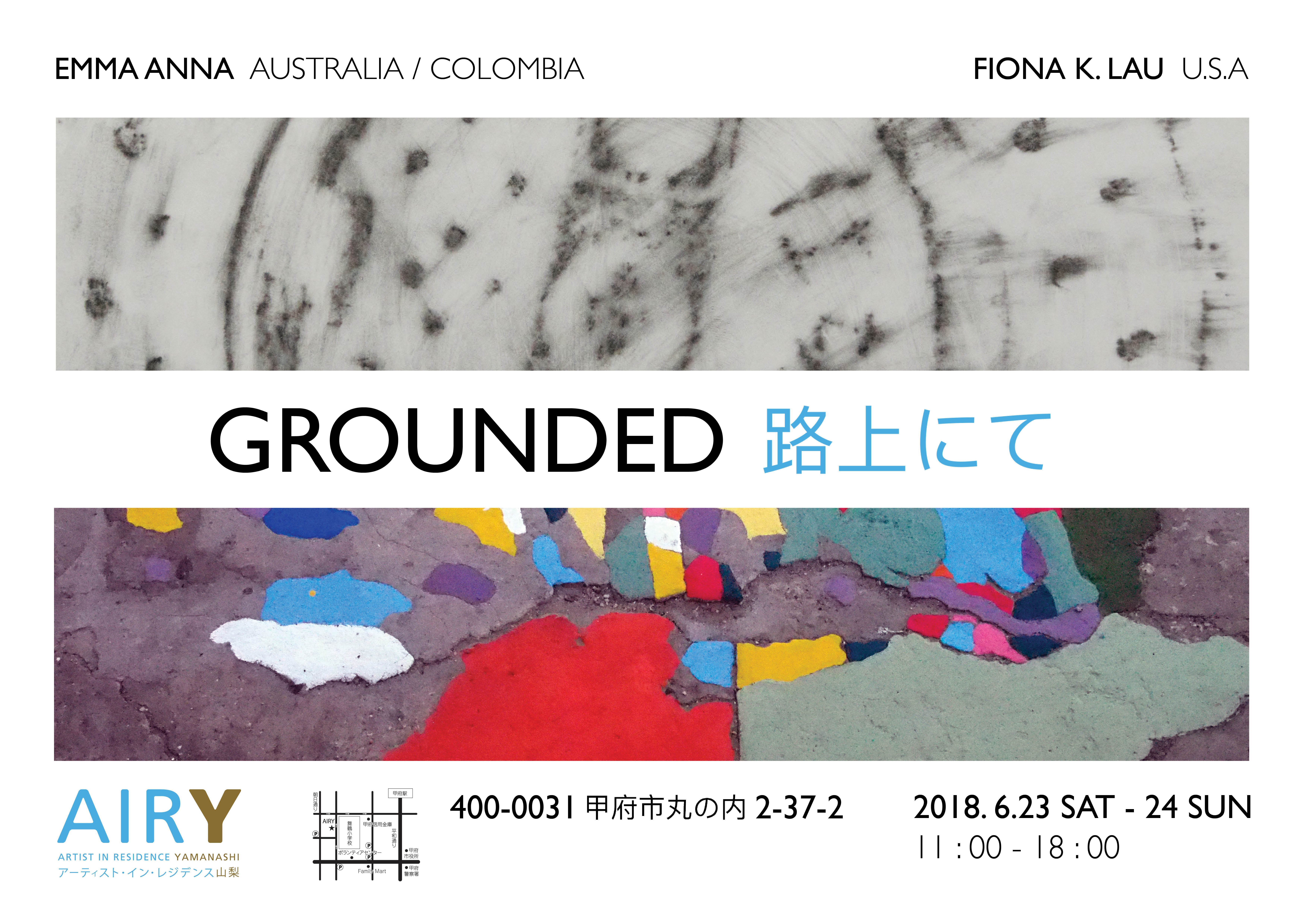
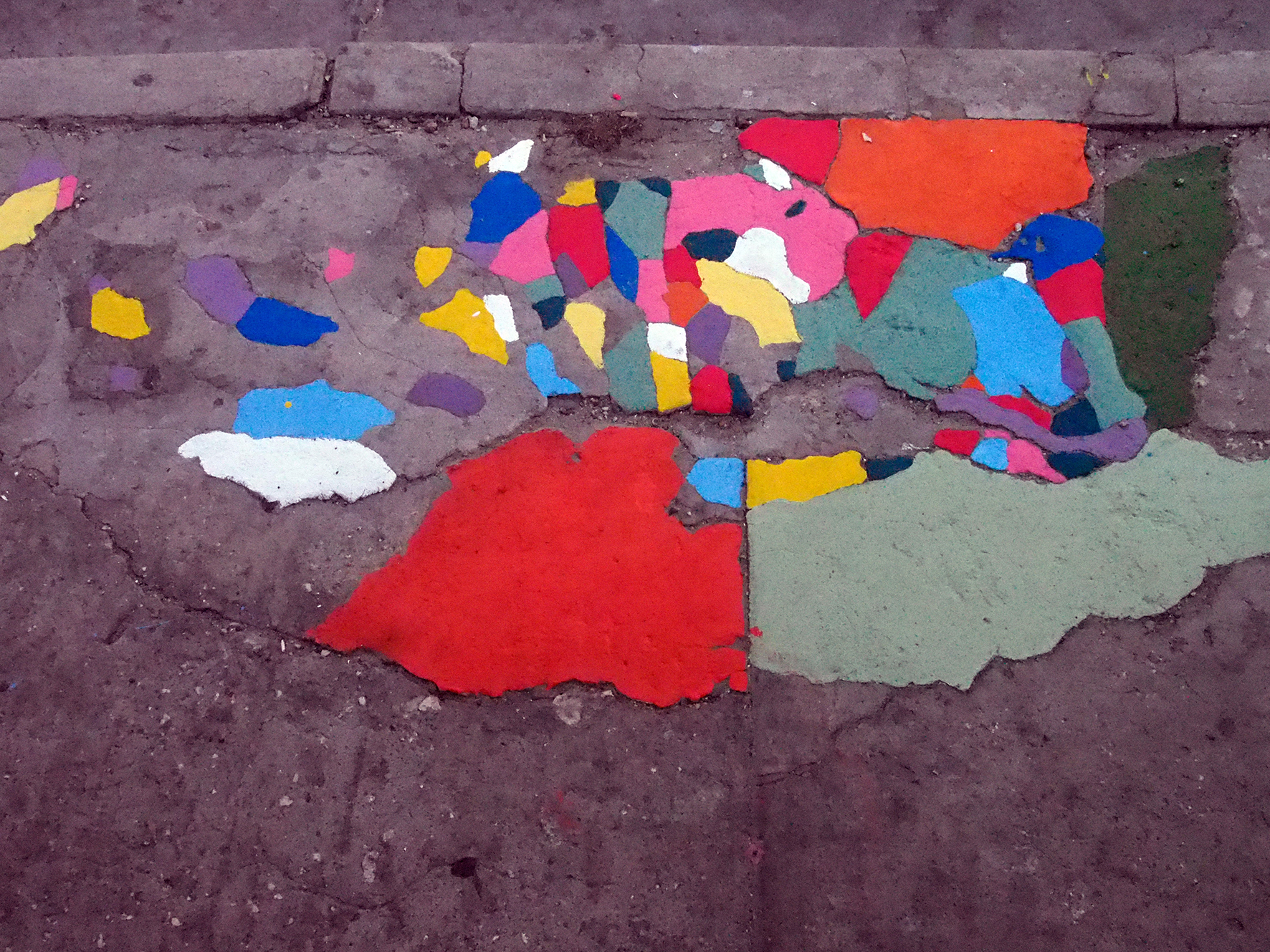
街角の道路の裂け目や、路上の雑草は誰も気にしない謙虚なもの。
作家たちはこれらのいつも見慣れているものに新たな目で問いかけます。
マンホールのカバーや空っぽの掲示板に一時停止したり不思議に思うことがありますか?
路上をテーマに甲府で出会った二人のアーティストたちが二人展を開催します。
/
street 金継ぎ@colombia
[On The Corner]
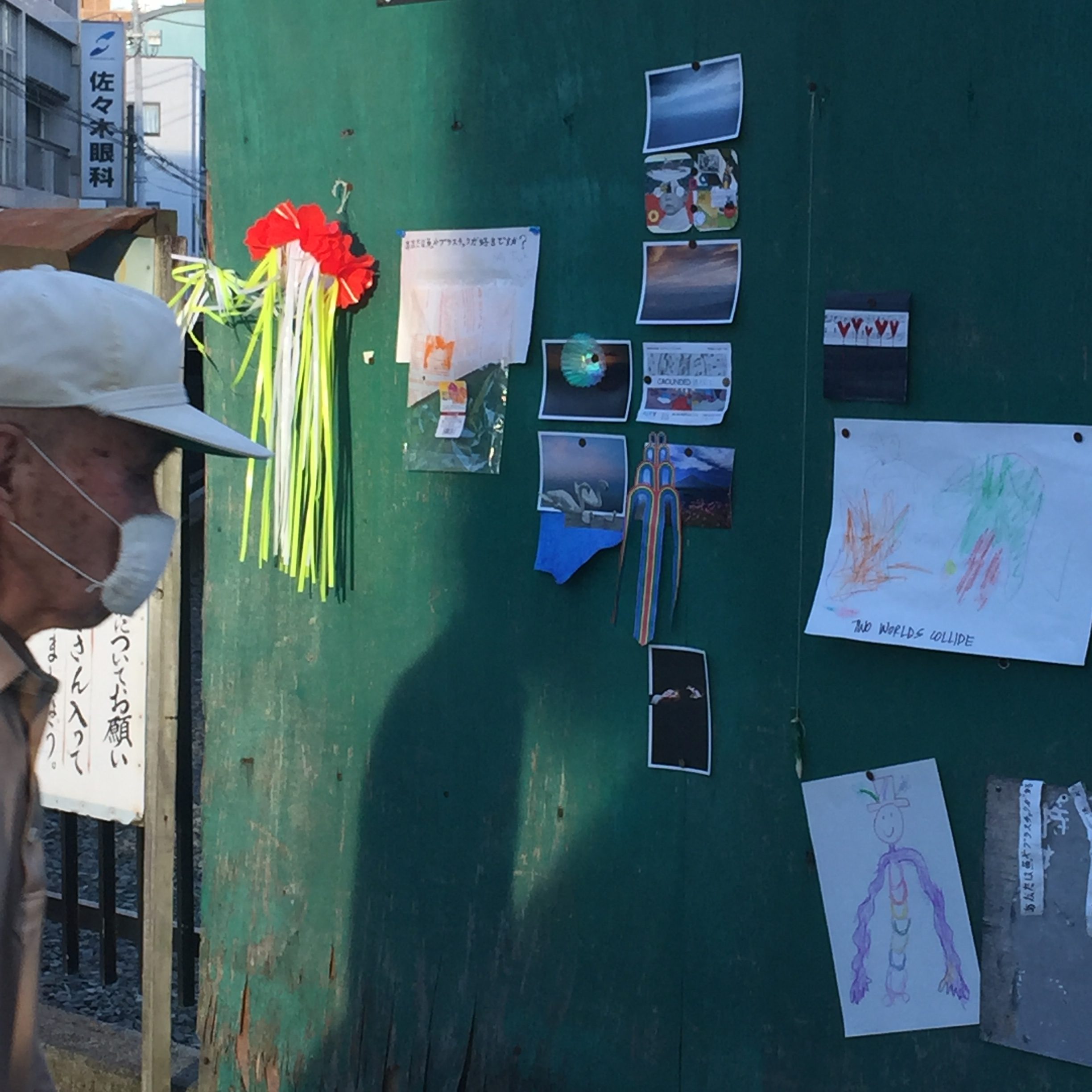
On the corner of the street where I’ve been staying in Kofu, there’s this fantastically textured noticeboard. Nothing’s been posted on it while I’ve been here.
Community noticeboards can be wonderful insights into people and place. Being here for a month, with just my two words of Japanese, it’s going to be hard to get too deep into what makes my temporary neighbours tick. I figured I might try and use this board to communicate with them in images and snippets, to see what happens, and if anyone responds. Let’s see if what I’ll add there over the next few weeks survives, or is added to by others.
My paintings explore memory and disorientation. Drawing from personal experience, my work explores the tension created by disrupting imagery, questioning non-objectivity and recognition. In my paintings and drawings, I use photographs as a jumping-off point to construct an imaginary space through form, colour, and texture. I use an exploratory approach, layering materials and images, allowing the process to guide itself. This journey evolves over time and I am always surprised by where it takes me.
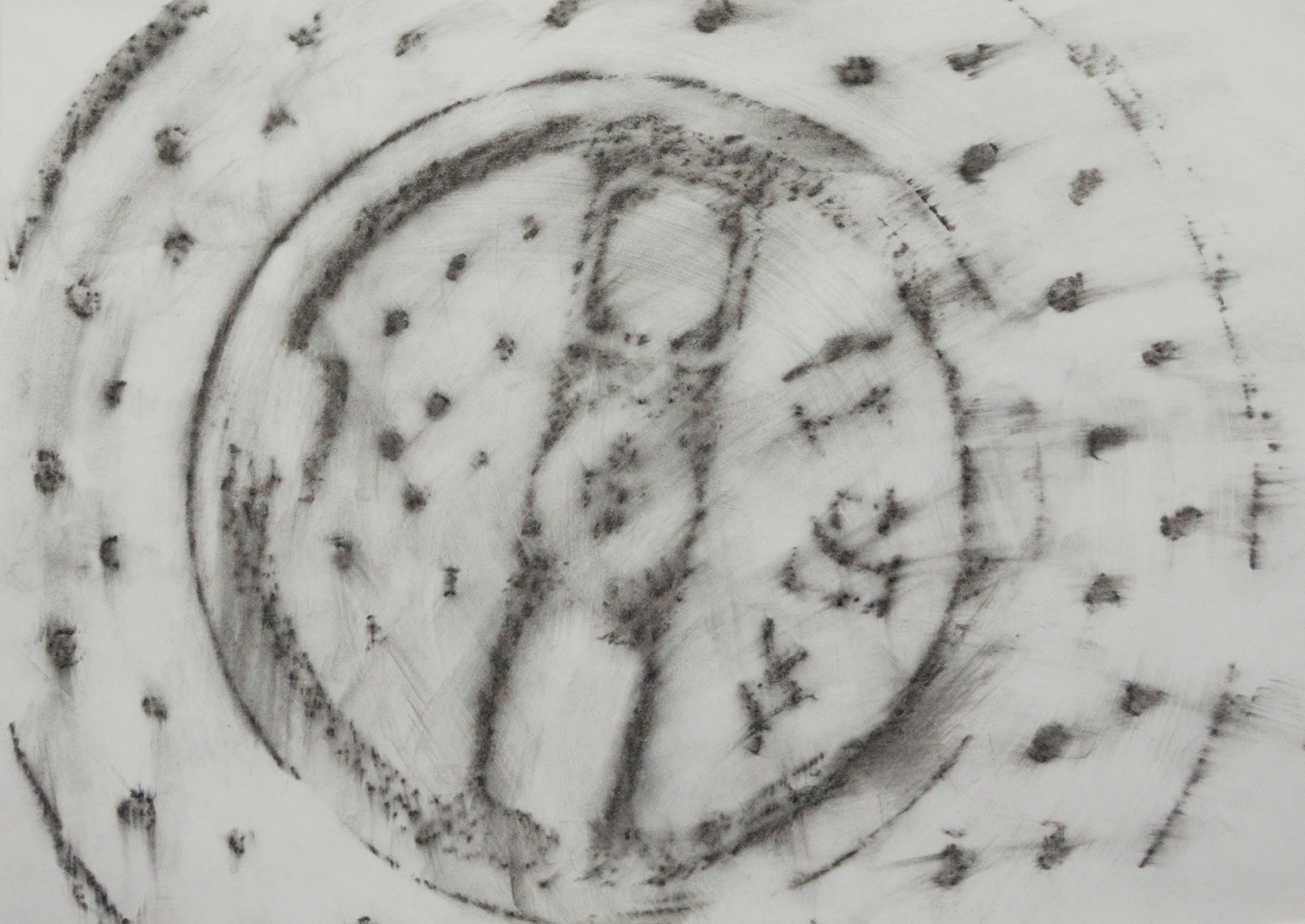
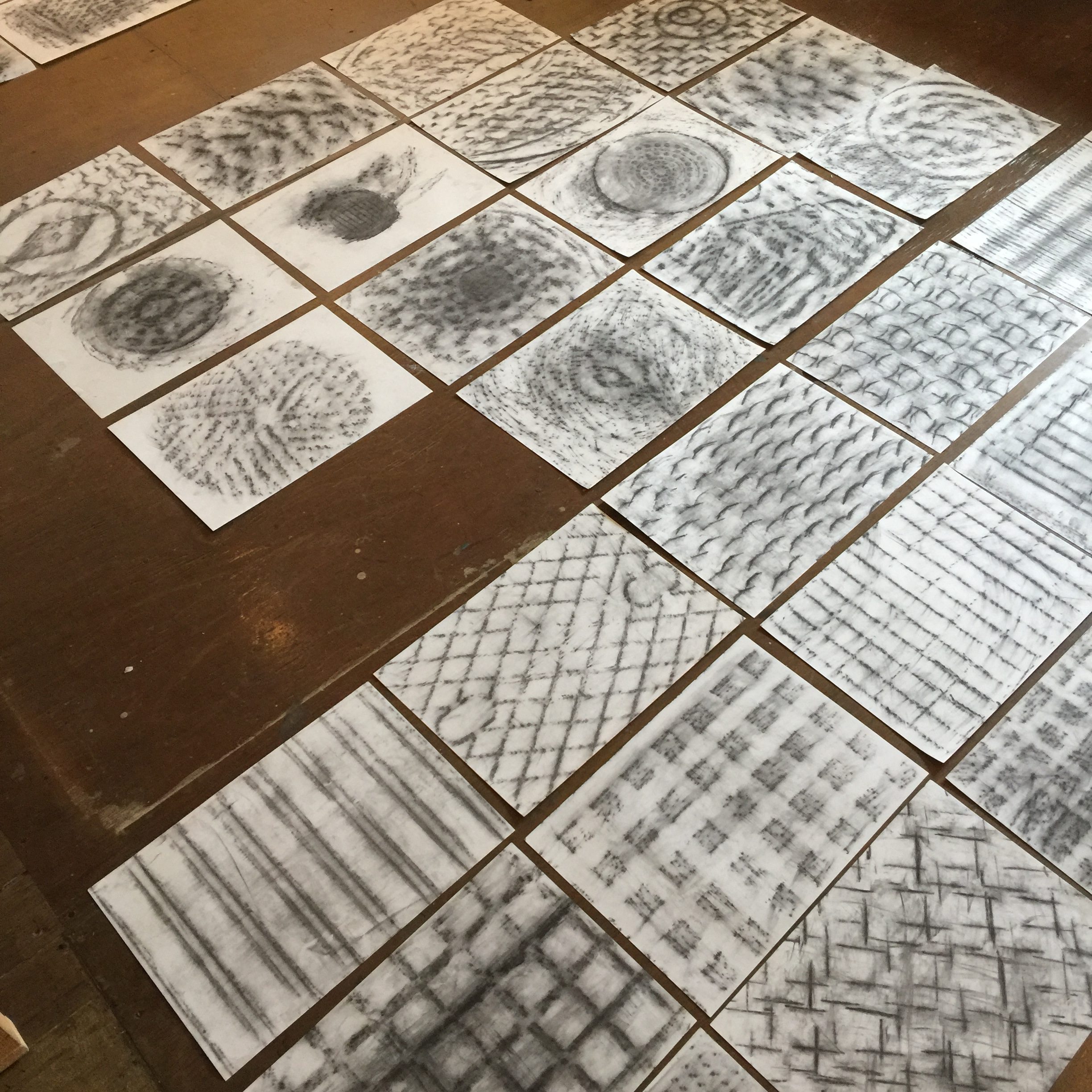
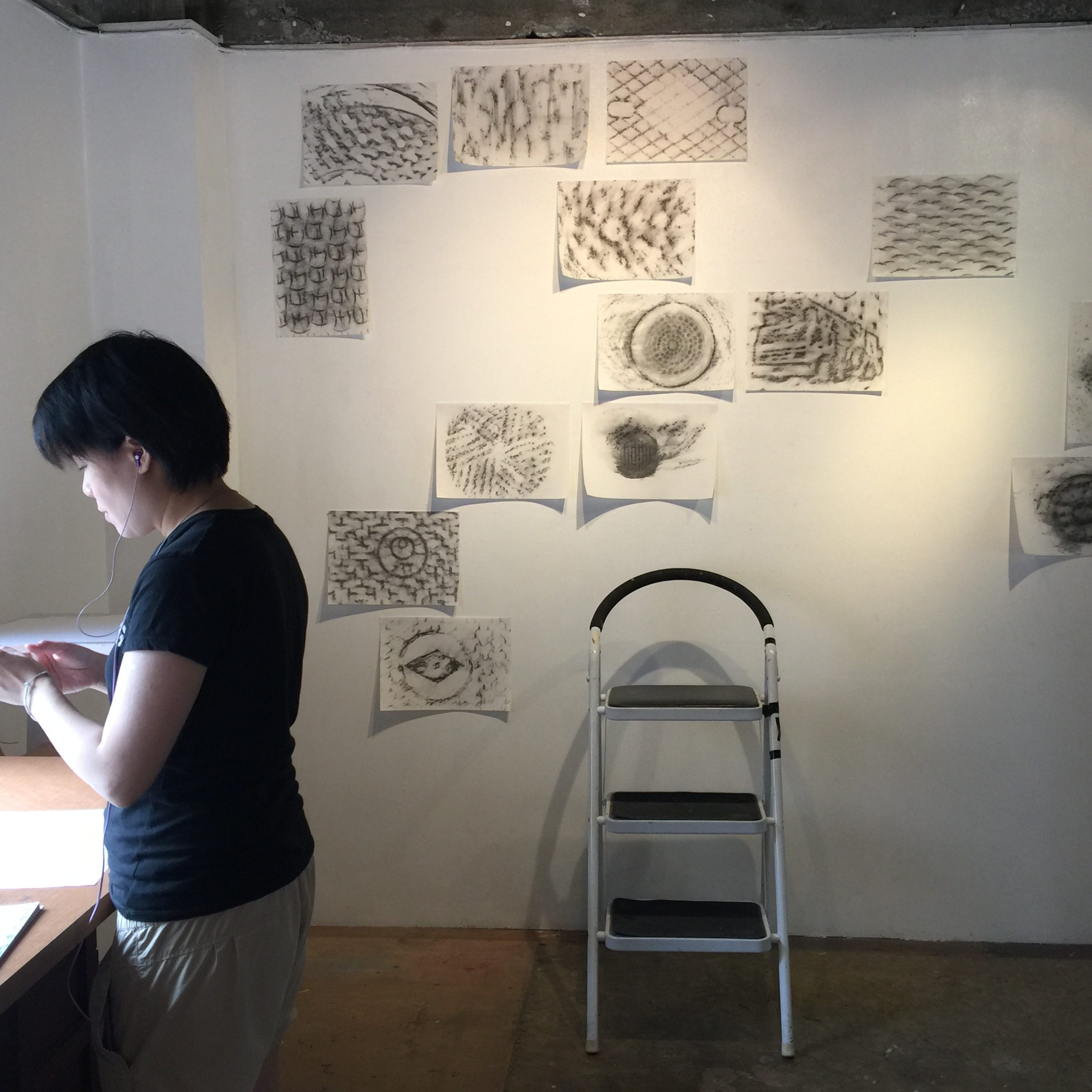
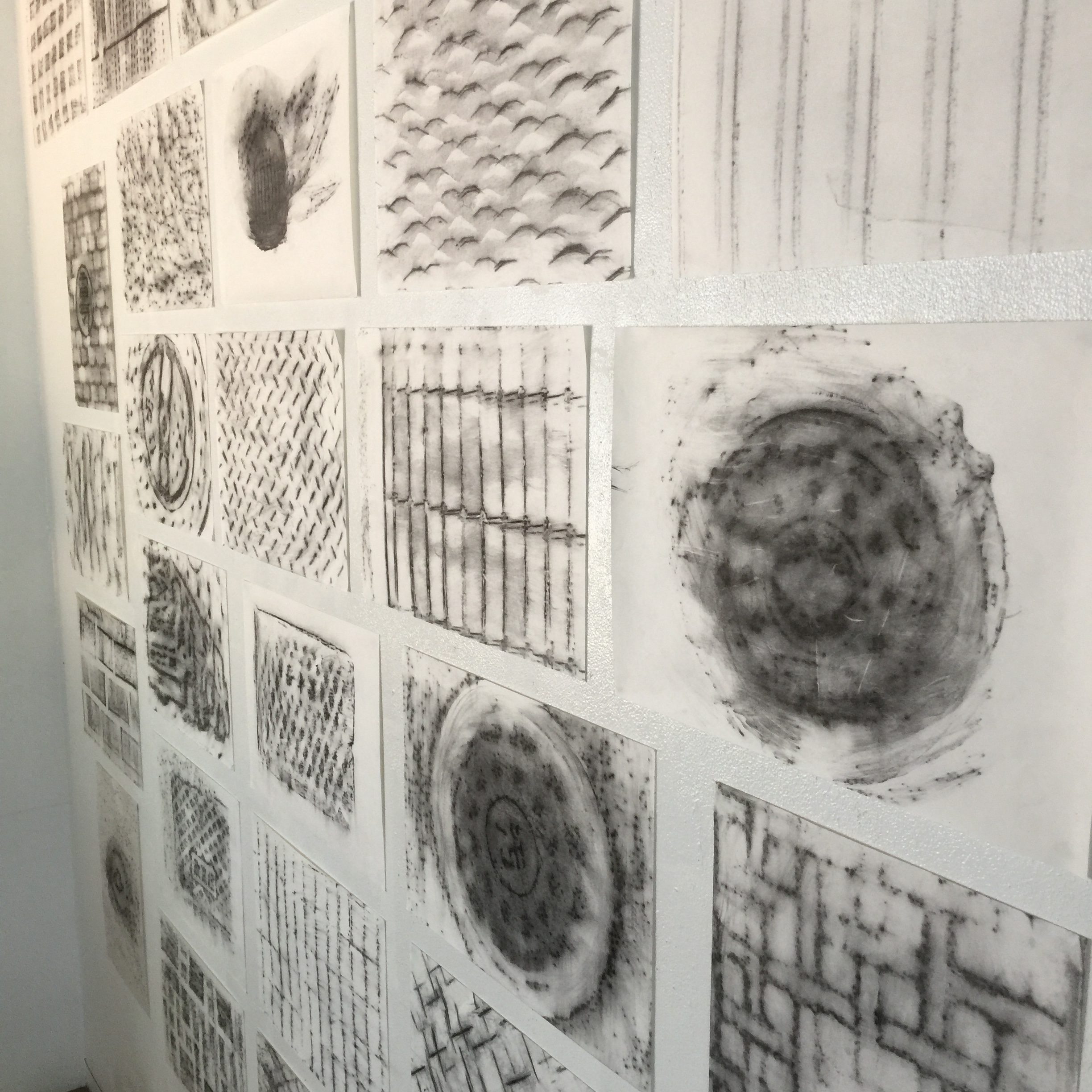
Being in Kofu made me want to know, in a physical way, what it is like to live here. I wanted to explore the textures of the city – something that can be felt directly. After a long walk one morning, I decided to make charcoal rubbings of different surfaces. Like woodblock printing, these would be prints of stone and metal from the city. Back in the studio, I turned these prints into drawings, emphasizing gesture and movement by removing certain marks, and adding others with drawing materials. A sense of history and the “artist’s hand” is very important to me. As I worked, the dark charcoal dots left by raised surfaces became pixels that coalesced together and formed patterns and shapes, which reminded me of how digital images are formed.
Similarly, I took an interest in the weeds found on street corners and in crevices – humble plants that nobody pays any mind to. We don’t notice the things around us once we get used to them. Our daily life passes by without much attention paid to many mundane artifacts. Do manhole covers or dandelions deserve pause and wonder? In this digital age of constant information bombardment, it is our attention that the social media industry harvests. In 2017, people in Japan spent over four hours per day on the internet. These attention merchants want us to dedicate more and more time online. Where we put our attention shapes how we act – which directly impacts our world. It is an important choice that we make every day.
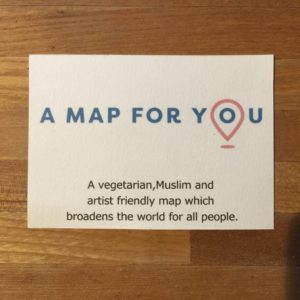
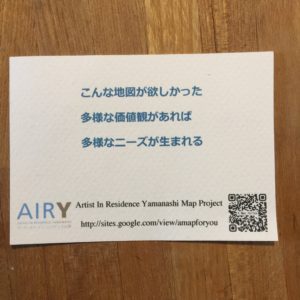
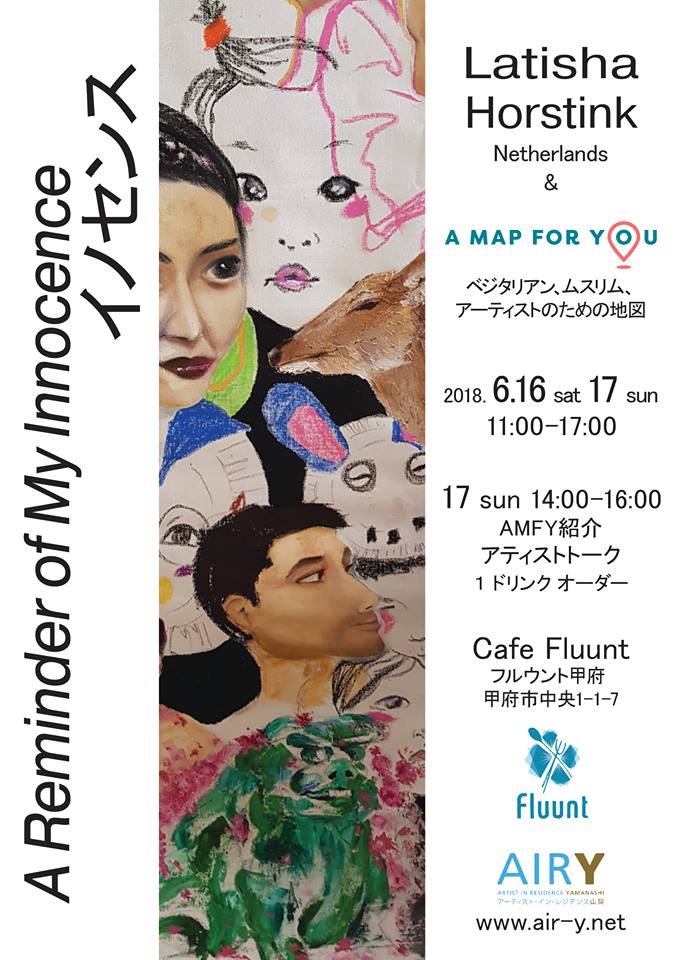
AIRY has hosted artists from all over the world and supported them on their works, exhibitions and everyday needs. AIRY staff noticed the importance of a map that shows places to get vegetarian or halal food and art supplies in Kofu city. This project “A Map for You” was started for this reason.
今、このプロジェクトに賛同してくださるお店を探しています。お店の情報は、私達の作成するGoogleマイマップ、“A Map for You”に掲載します。さらに地図(URL)は将来的に甲府駅周辺、各大学、飲食店、スーパーなどに置かせていただきます。
We have been researching shops, cafes and restaurants for the map. Their information will be on Google My Map “A Map for You”. You can find the URL of the map around Kofu Station, universities, cafes, restaurants and supermarkets.
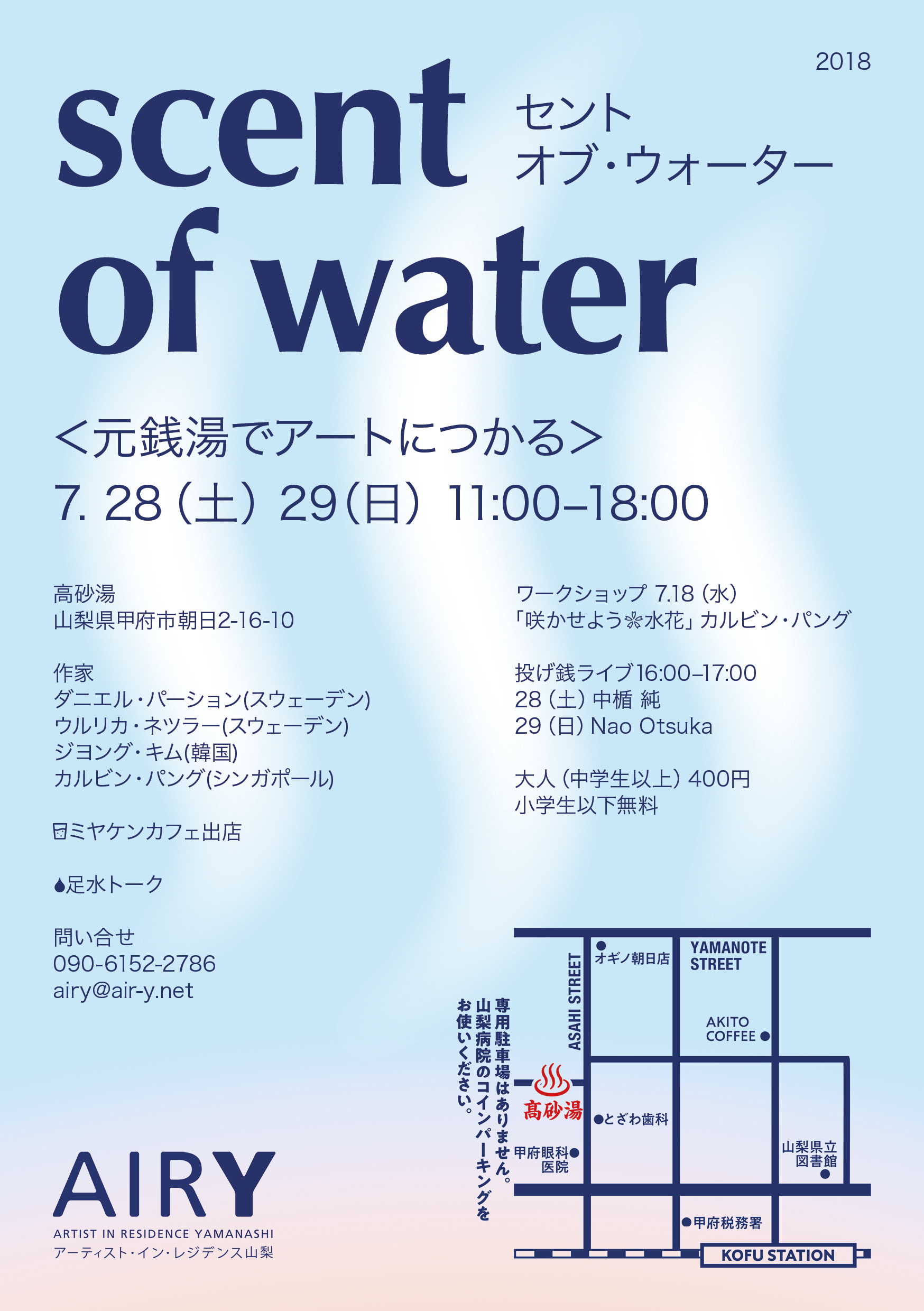
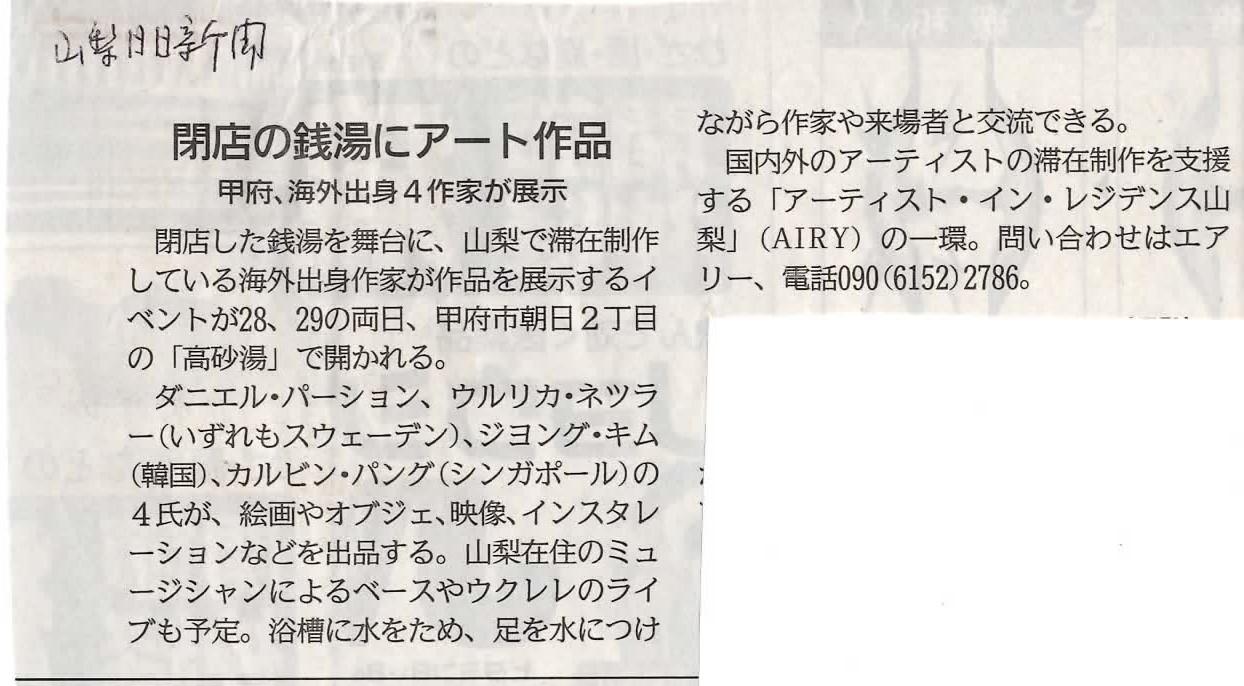
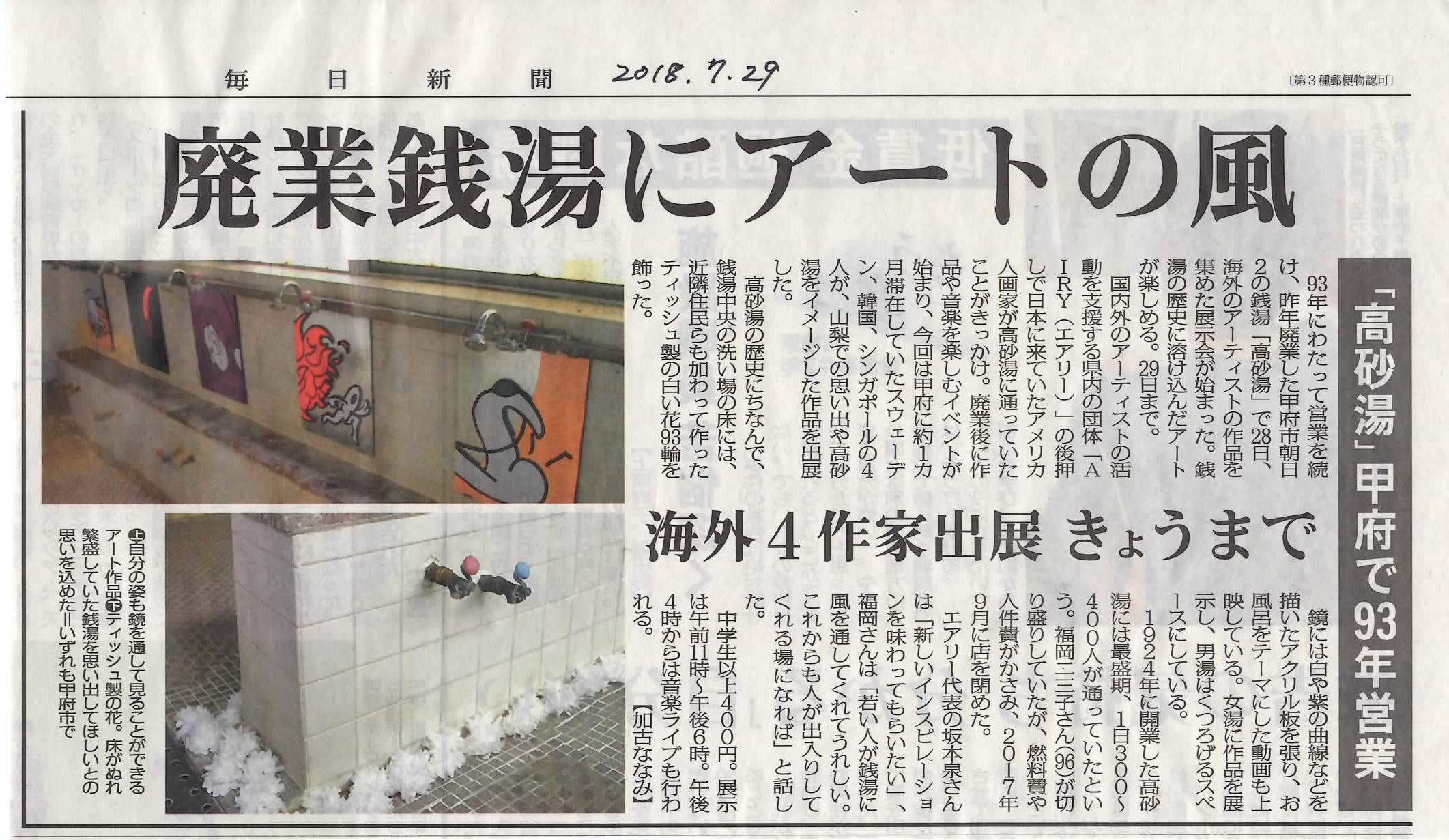
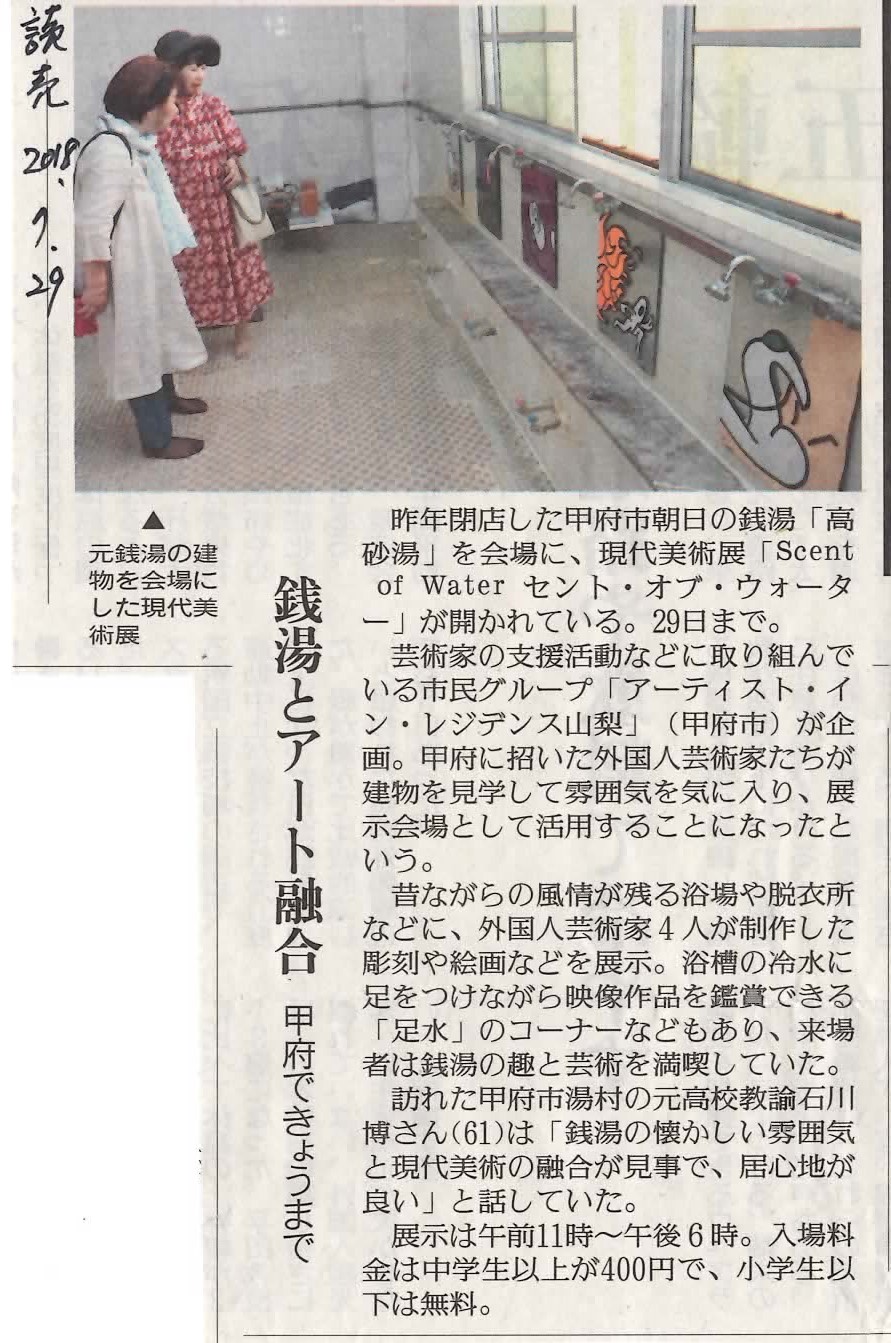
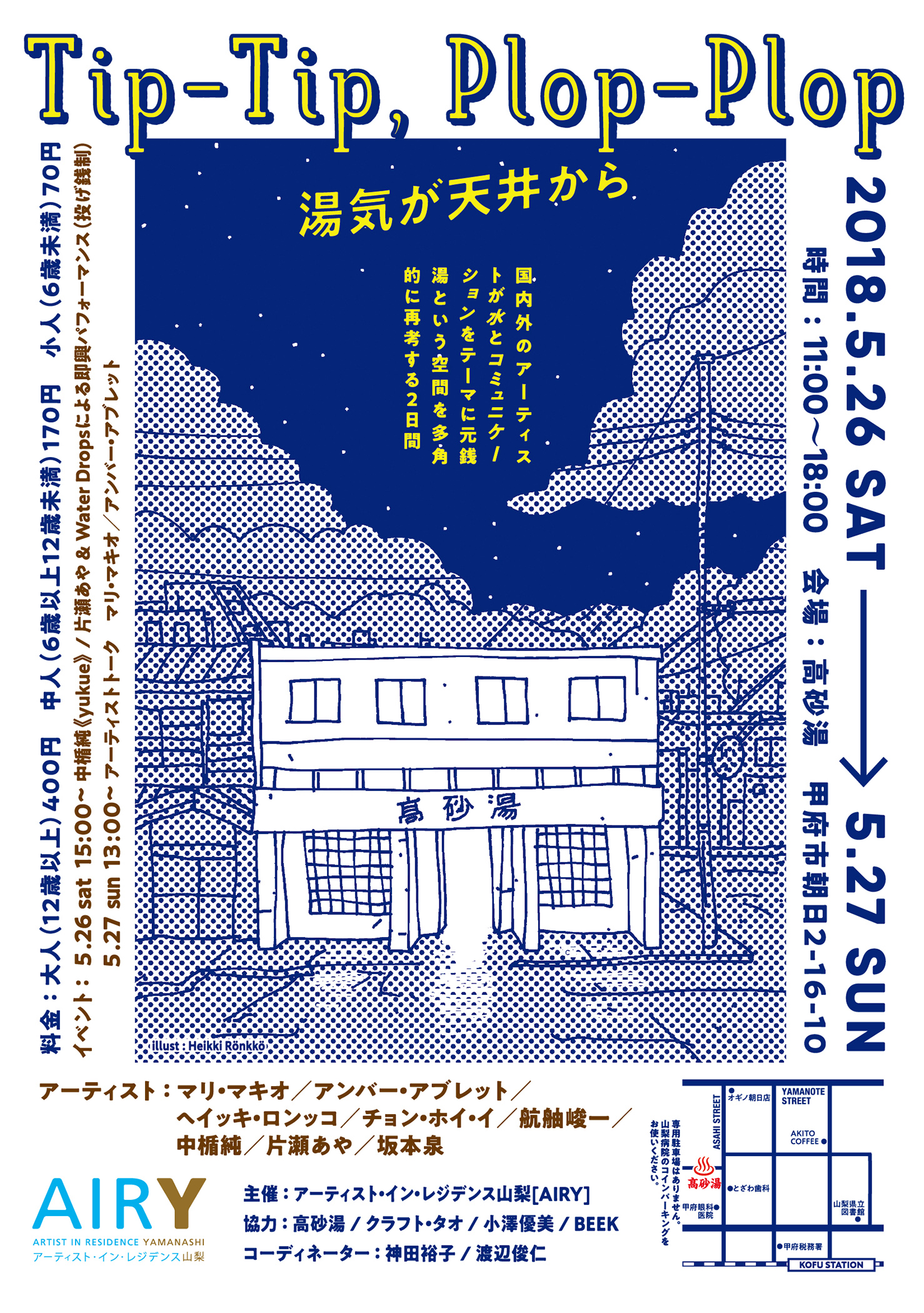
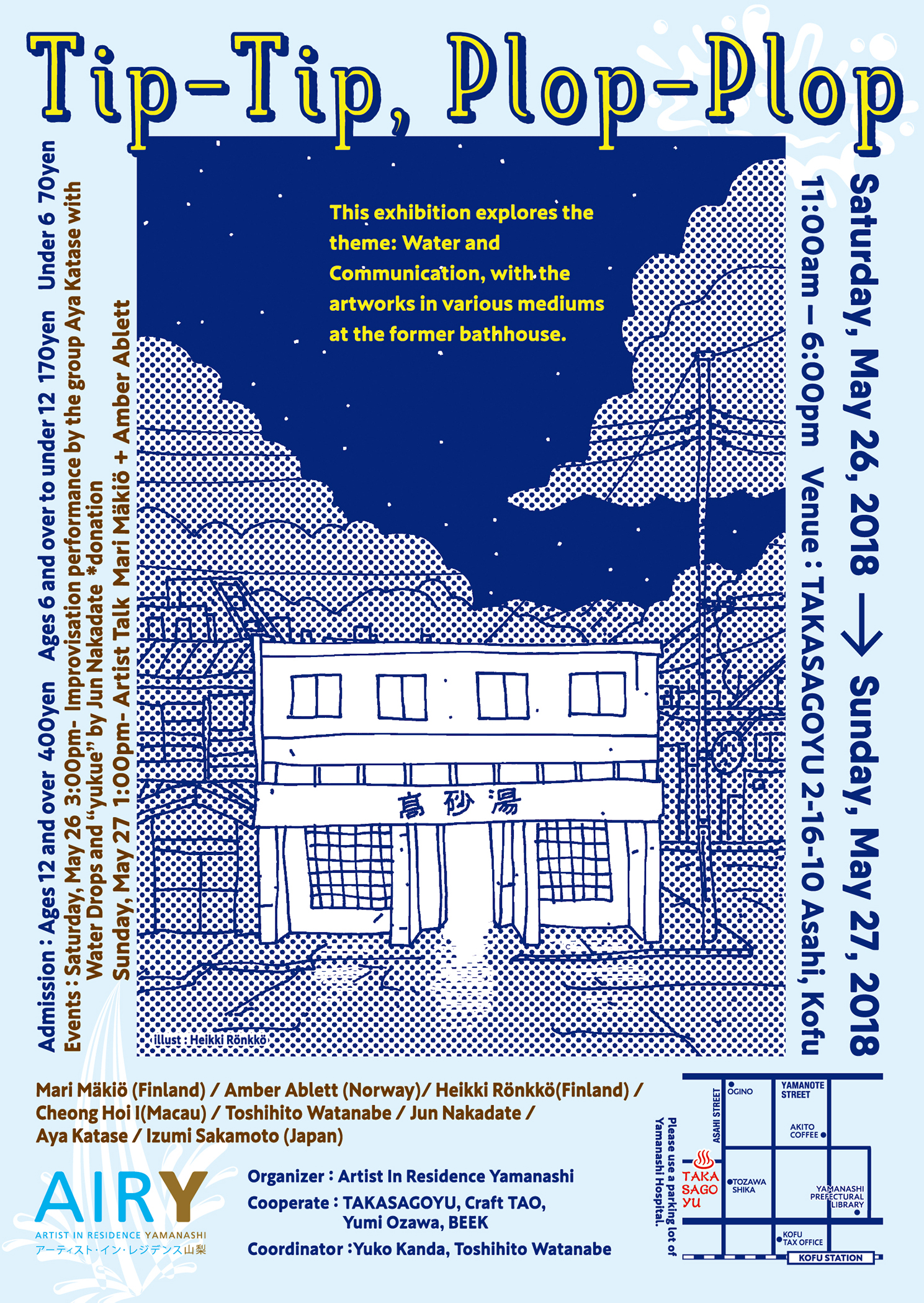
国内外のアーティストが甲府・高砂湯を舞台に〈水〉と〈コミュニケーション〉をテーマに銭湯という空間を多角的に再考する2日間。
This exhibition explores the theme: Water and Communication, with the artwork in various mediums at the former bathhouse Takasagoyu.
/
この展覧会は、海外のアーティストと、県内を拠点に活動するアーティストとが、銭湯の二大要素である〈水〉と〈コミュニケーション〉を切り口に、絵画/音楽/ダンス/文字などのメディアを用いて、多角的に銭湯という空間を再考するコラボレーションである。また舞台となる「高砂湯」の歴史を紹介し、地域との文化交流を図る。
Bathers is a weave of overlapping and interconnecting visual narratives about people frequenting the Takasago-yu during the decades it was open to public. The work meditates on the function of the onsen as both a space for public interaction and for private relaxation.
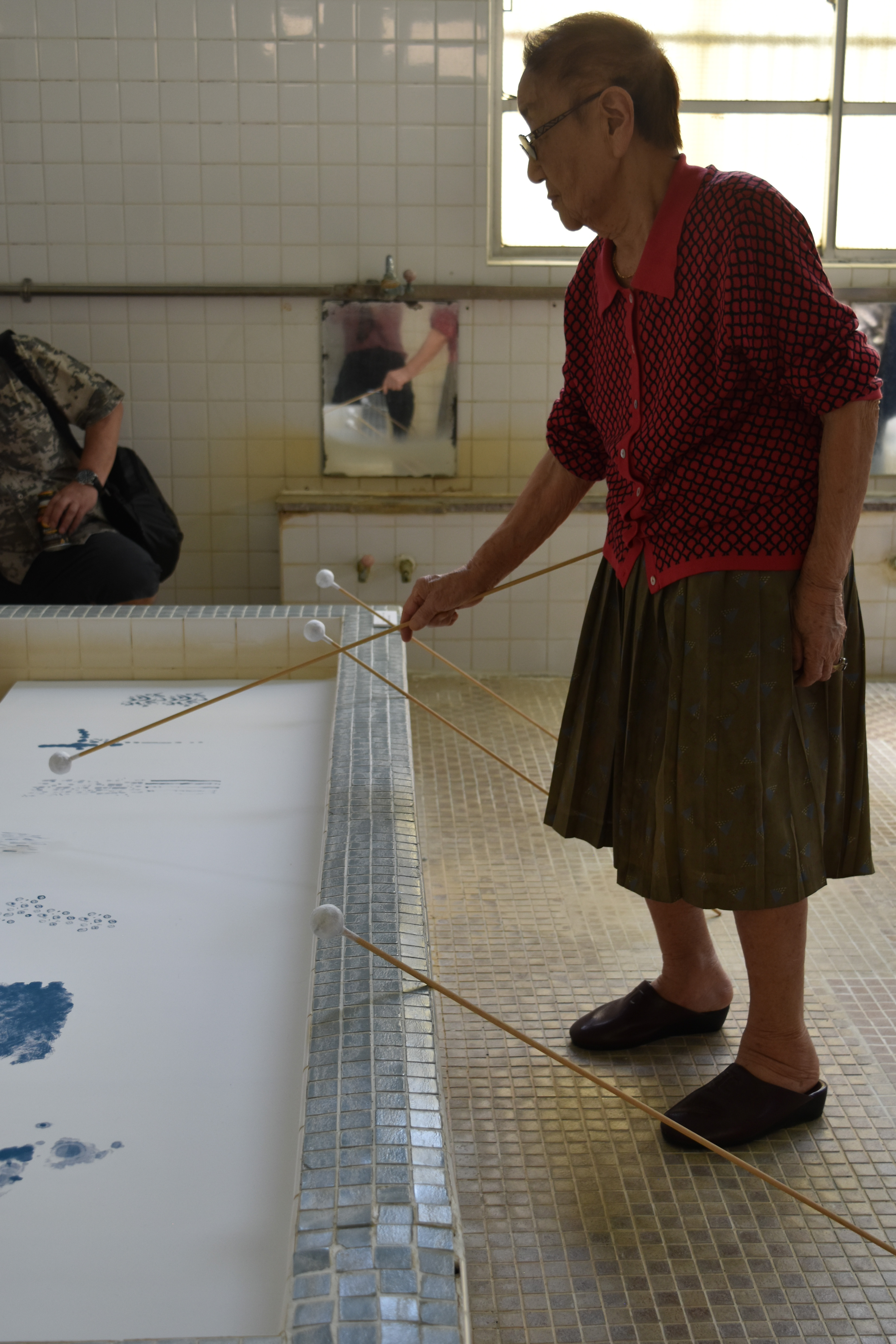
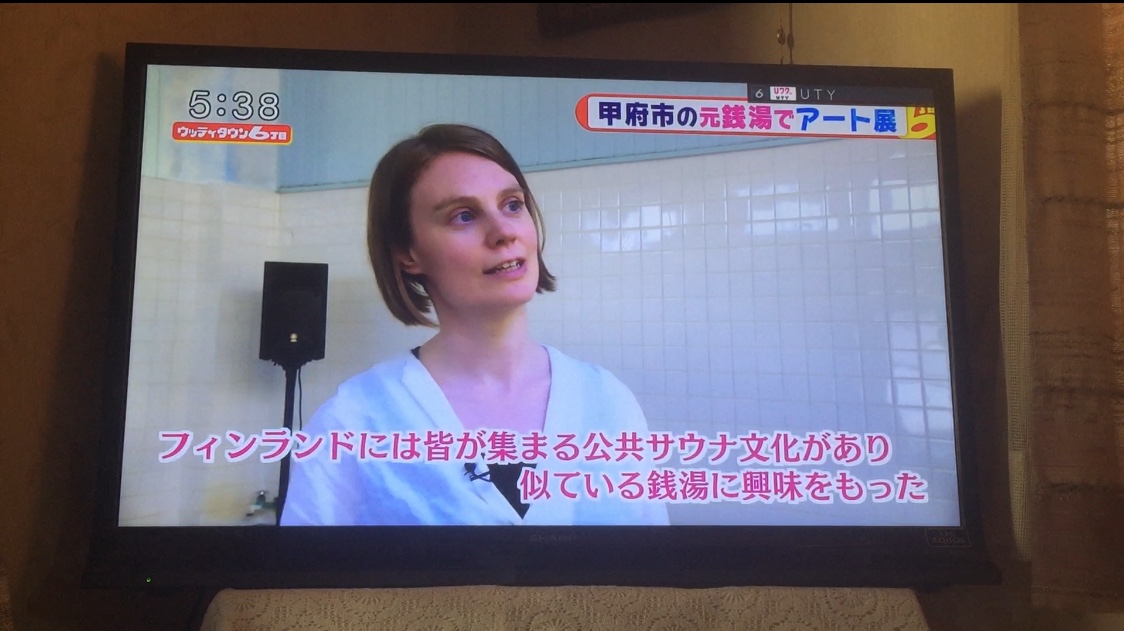
Water Talks is an interactive audio work / instrument that uses Finnish onomatopoeic* phones imitating the sounds of water. It is an invitation to the exhibition visitors to play the tunes, to compose their own flow of water and to bring back the water sounds to Takasago-yu, where these sounds are no longer heard as it is closed from the public. The work is ongoing artistic research of the artist, studying the onomatopoeic qualities and differences in Finnish and Japanese language and the connections and translations between sound and image.
/
参加アーティスト紹介③
チョン・ホイ・イ|Cheong Hoi I
Macau
mokuhanga
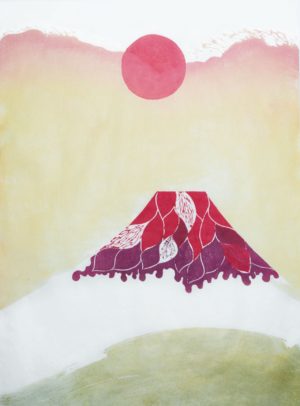
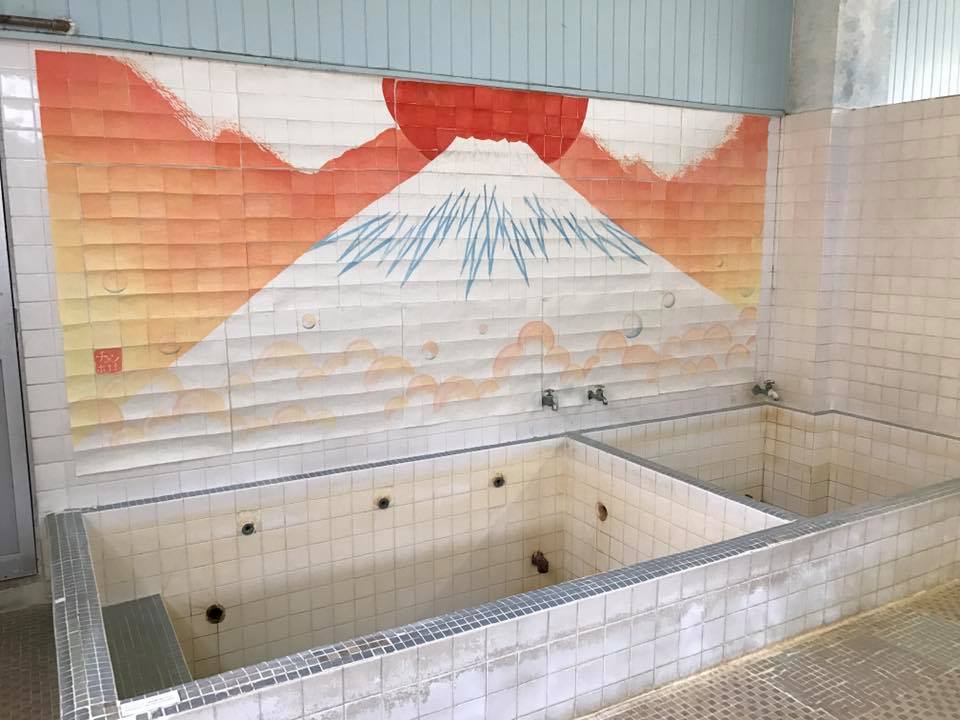
《Ms.Fuji in TAKASAGOYU》
I like meditation in bath, relaxing and focus only on the mind.
But being in a sento is totally a different experience, people gather together after work, friends come together after school, grandmom brings their daughters, etc. You will hear people laughing, kids playing, elderly teaching, talking and sharing. Suddenly, bathing is not a private activity, it is more like engaging with our daily life and our community. I want to portrait the same idea for this sento to keep on going.
I love meditation in bath, surrounded by people that you love.
*Hoi I is a former residency artist March 2018 who lives/works in Macau
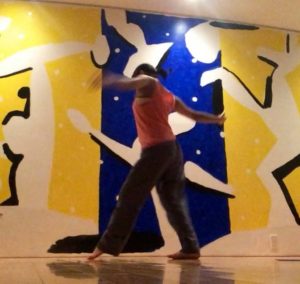
I have been having an improvisation workshop in former Takasagoyu since March. There is no more hot water in the bath tub. Though it is a very dry space, we danced in reaction to the details of the old bathhouse like faucets, tiles, spots on the ceiling, mirrors, so on. In this exhibition, we will see the reborn Takasagoyu that is filled with “steam” and “sound” created by various artists. I am excited to see how our dancing body meets those elements and how we can share our body and sensation with people who gather in Takasagoyu. It will be a thrilling encounter.
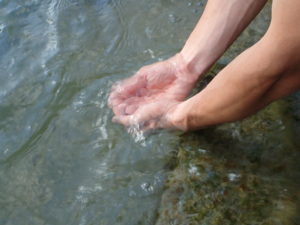
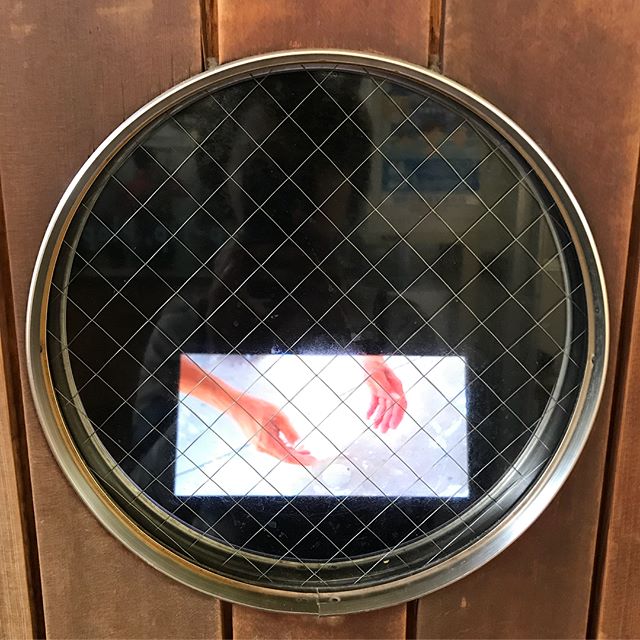
A video work shot in “CAMPBASEL Revisited”, Basel, 2017. The recorded performance is ritualistic and dedicated to everyday life related to site-specific water (In the video, a performer scoops water from Rhine river and offers the water to an installation modeled after Shinto decoration). It’s being shown for the first time in public.
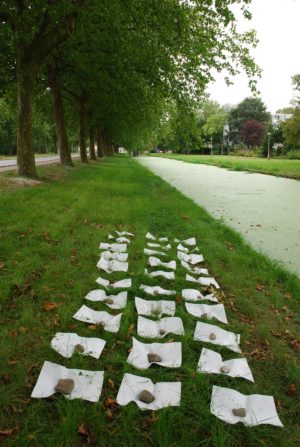
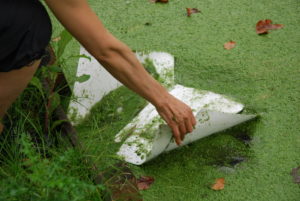
This project is searching for waterfronts and transferring. Looking for waterfronts during traveling and repeating to soak papers into the water and dry. No drawing, No creating anything. This is simply records of traveling to seeking Oasis. It is an act as calling to art, and it is also an artwork itself. I long for water because it constantly changes shape and being fluidly without staying in one place.
/
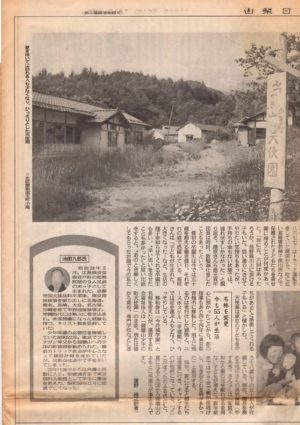
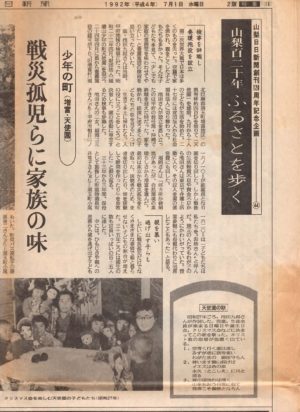
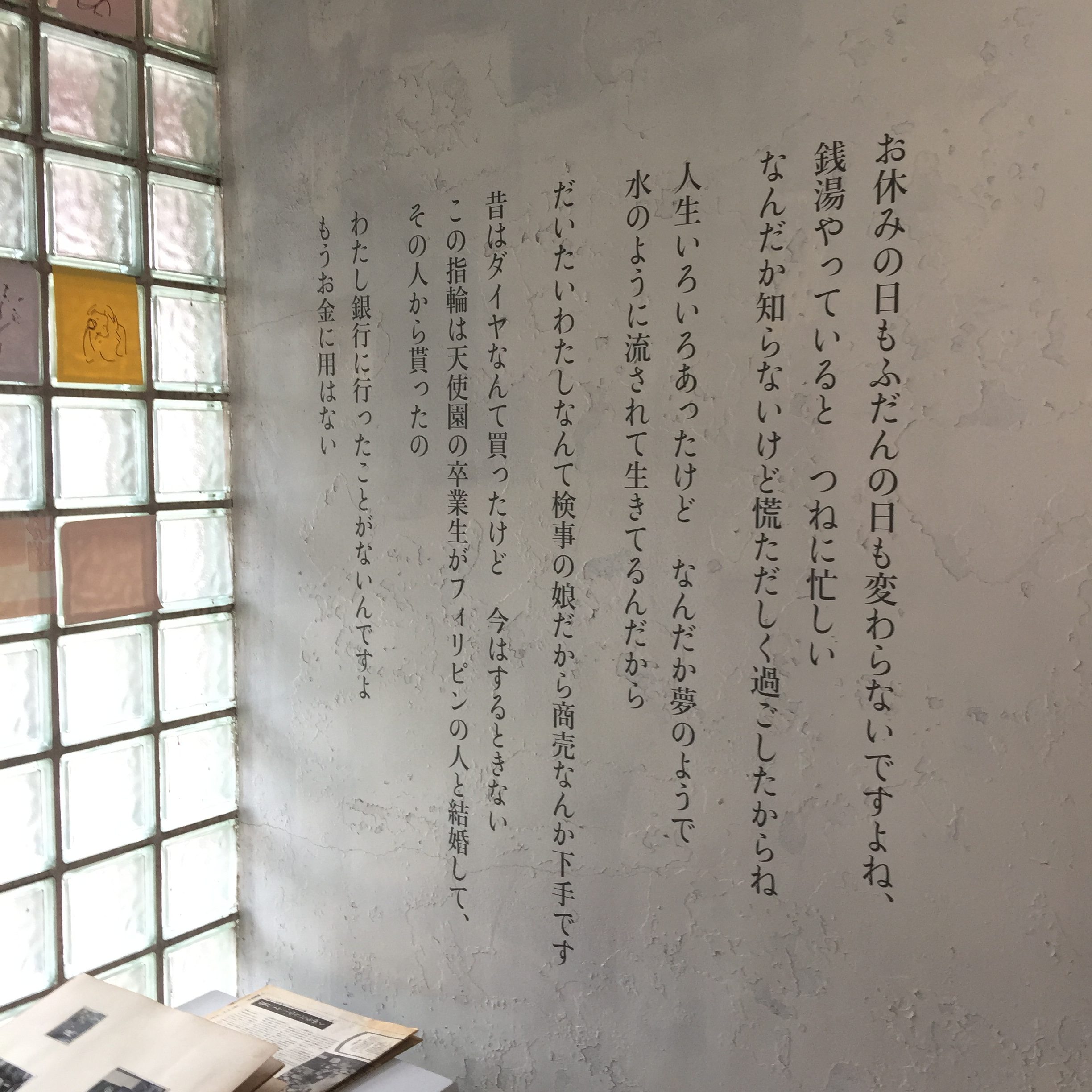
【高砂湯クロニクル】
コーディネーター神田裕子によるインタビューを元に「高砂湯クロニクル」を展示します。
The meaning of Takasagoyu Chronicle, The owner Fukuoka Family a long term history.
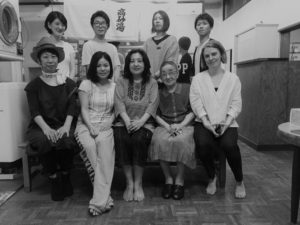
高砂湯の90年に渡る長い歴史を辿るとき、現オーナー福岡二三子さん(現在96歳)が前職である増冨・天使園で戦争孤児たちの養護に当たった時代は外せません。
父池田九郎氏が戦後設立した「瑞牆山少年の町天使園」を献身的に運営して「ふみこ先生」と慕われました。
その後しばらくして縁あり甲府の高砂湯へ入った二三子さん、多くの人に安らぎを与えた銭湯は昨年閉業しましたが、今でも天使園時代の教え子さんたちが甲府を訪ねてくることを楽しみにしています。
参考:山梨日日新聞1992年(平成4年)記事
/
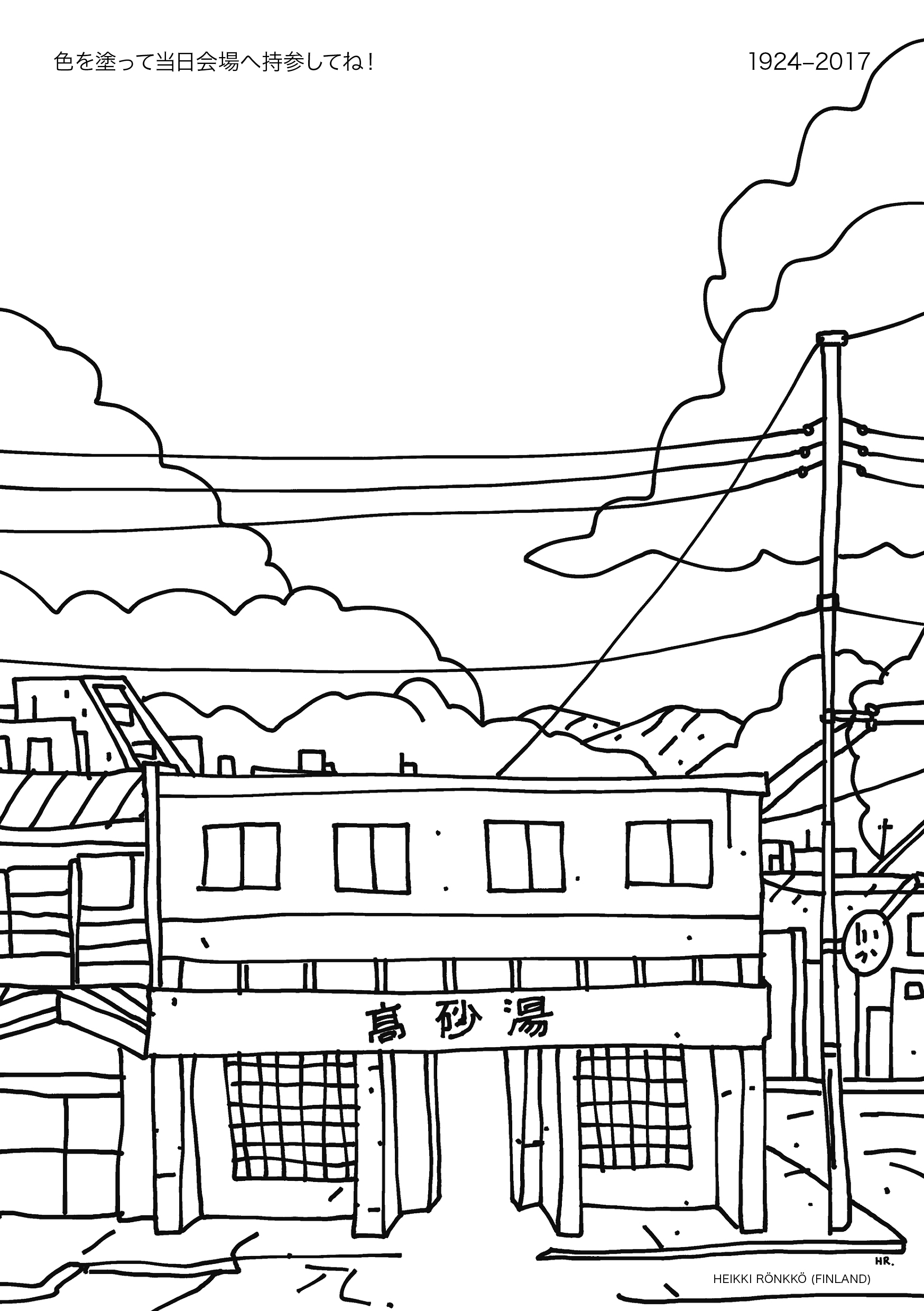
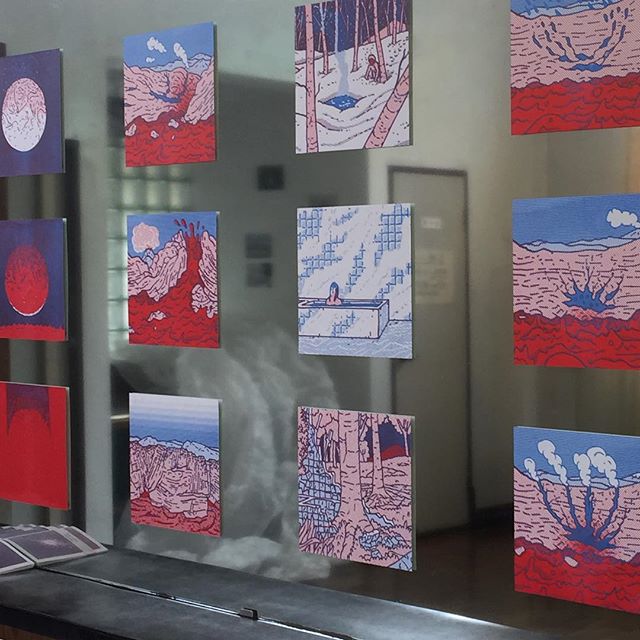
①へイッキ・ロンッコ|《バスタイム》
Heikki Rönkkö (Finland)|Bathtime
この作品は水と熱の視覚的な物語です。 Bathtime is a visual narrative of water and heat.
Water Talks is an interactive audio work / instrument that uses Finnish onomatopoeic* phones imitating the sounds of water. It is an invitation to the exhibition visitors to play the tunes, to compose their own flow of water and to bring back the water sounds to Takasagoyu, where these sounds are no longer heard as it is closed from the public. The work is ongoing artistic research of the artist, studying the onomatopoeic qualities and differences in Finnish and Japanese language and the connections and translations between sound and image.
I like meditation in bath, relaxing and focus only on the mind. But being in a sento is totally a different experience, people gather together after work, friends come together after school, grandmom brings their daughters, etc. You will hear people laughing, kids playing, elderly teaching, talking and sharing. Suddenly, bathing is not a private activity, it is more like engaging with our daily life and our community. I want to portrait the same idea for this sento to keep on going. I love meditation in bath, surrounding by people that you love.
/
④アンバー・アブレット|《銭湯に行くとき、私は髪をスカーフで巻く》
翻訳:三森なぎさ 朗読:井野美奈
Amber Ablett (Norway) |When I go to the sento, I wrap my hair in a scarf
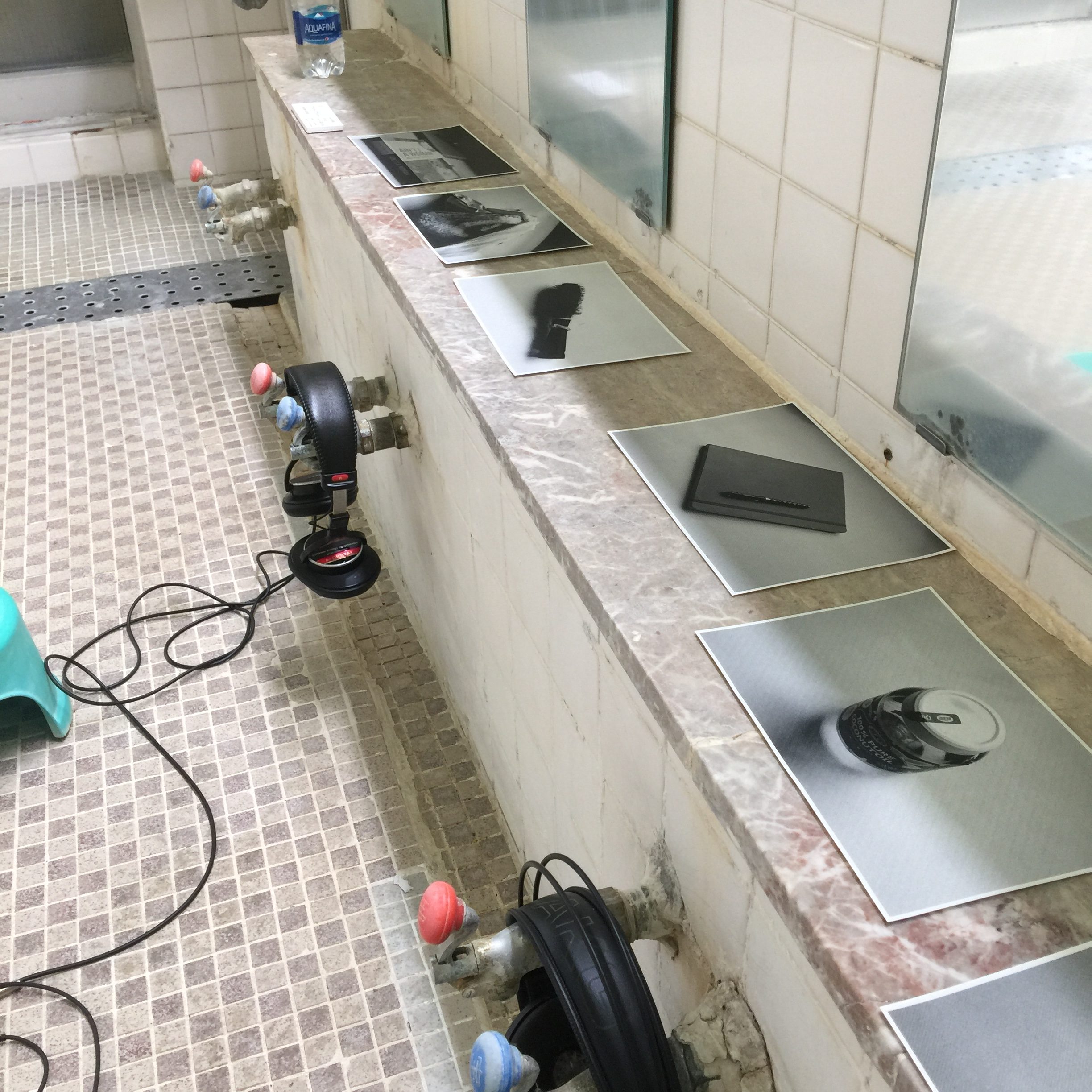
A sound, text and image work where the audience are invited to sit in front of the mirrors in the sento to read and listen to a text while looking at themselves. Through this work, Amber is trying to open up questions of the body, self-identifying and the way in which we be together. From her position as a female, British, Irish, Trinidadian artist at home in Norway, Ablett seeks to engage with wider contemporary social questions of place, nationality, identity and language. Her work investigates whether, if our identity and language are both constructed and controlled by the society around us, can speaking be a route to revealing and understanding who we are?
/
⑤中楯純|Jun Nakadate
sound performance《yukue》
/
⑥片瀬あや|Aya Katase
improvisation performance with the group ‘Water Drops’
A video work shot in “CAMPBASEL Revisited”, Basel, 2017 (Participated as a member of AIRY). The recorded performance is ritualistic and dedicated to everyday life related to site-specific water (In the video, a performer scoops water from Rhine river and offers the water to an installation modeled after Shinto decoration). It’s being shown for the first time in public.
This project is searching for waterfronts and transferring. Looking for waterfronts during traveling and repeating to soak papers into the water and dry. No drawing, No creating anything. This is simply records of traveling to seeking Oasis. It is an act as calling to art, and it is also an artwork itself. I long for water because it constantly changes shape and being fluidly without staying in one place.