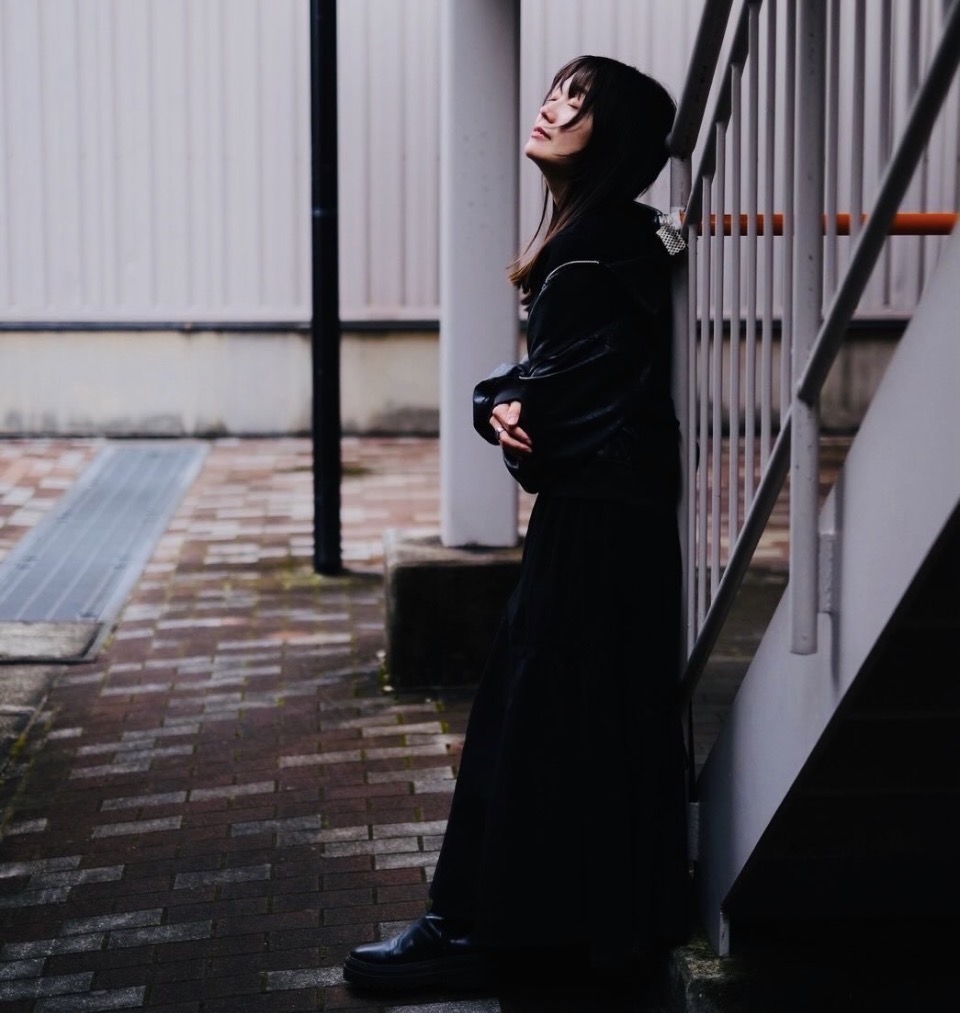
2026年4月エアリー滞在作家
甲府市生まれ
オーストラリア在住
インスタレーション・彫刻
https://www.instagram.com/norikonakamuracat/?hl=ja
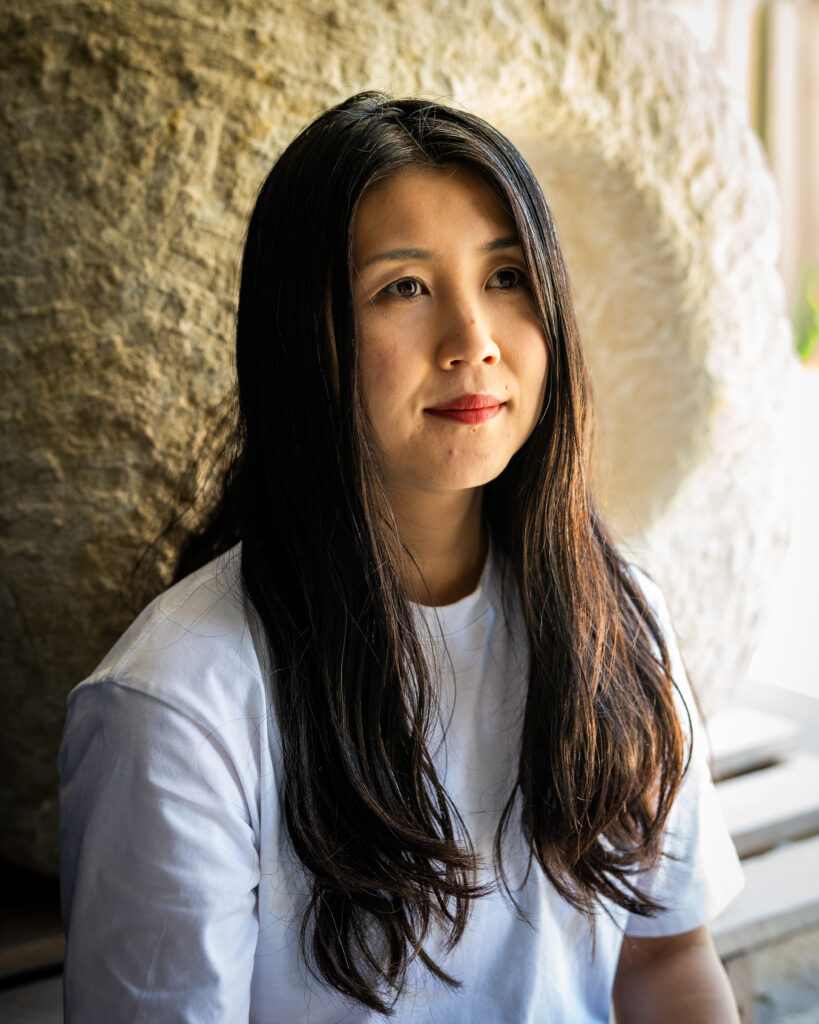
日本/山梨生まれオーストラリア在住 、インスタレーション・彫刻 作家
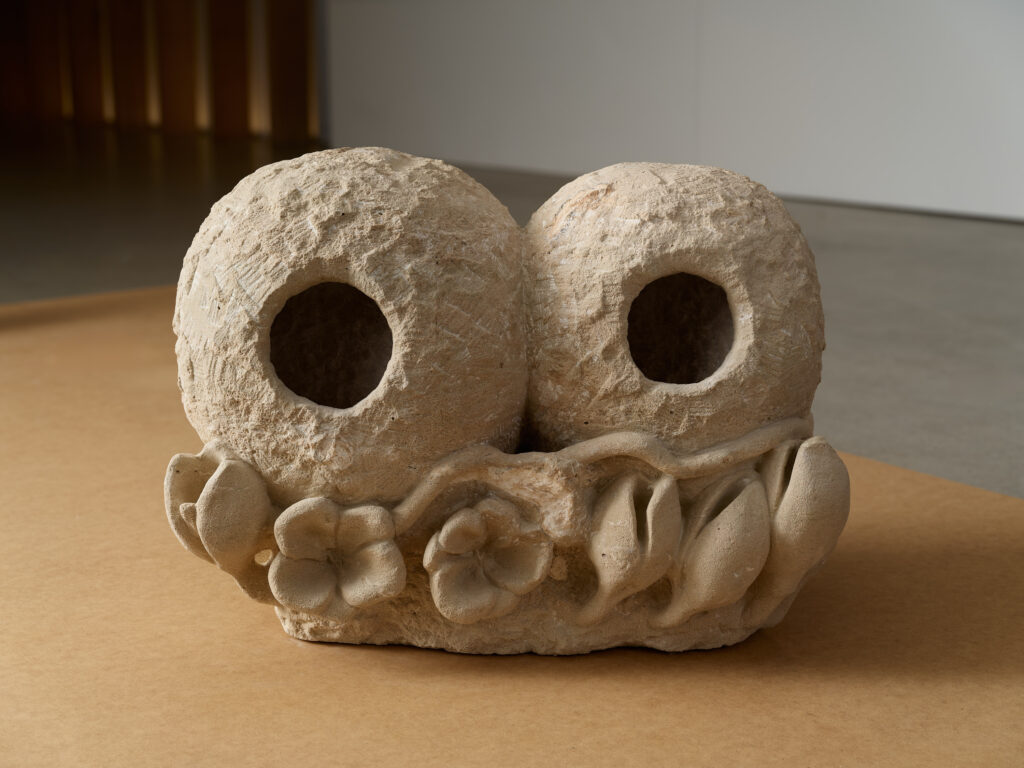
日本の高校を中退してオーストラリアの高校編入と卒業。ロンドン→メルボルンでファインアートと彫刻を学ぶ。アーティスト・ラン・ギャラリーで運営メンバーとして5年間活動。大学講師としてレクチャラー、ワークショップ講師などの経験を持つ。主にメルボルンで個展を開催。現在は、メルボルン大学博士課程に在籍。日本の神道のアニミズムや儀式的な慣習の概念を取り入れ、石彫を用いてインスタレーション作品を制作し、自然素材から形を生み出すことで何が生まれるのかを探求している。最近では女性の身体的な経験の複雑さを探り、女性の主体性に関する物語を再構築することを試みる作品を制作している。
Noriko Nakamura
b.1986 Japan. Lives and works in Castlemaine/ Dja Dja Wurrung
Nakamura uses stone carving to make installations, drawing on ideas of Japanese Shinto animism and ritualistic practices, investigates what arises from generating forms with natural materials. Her recent work explores the complexity of female embodied experiences and reimagines the narratives of feminine subjectivity for empowerment. Nakamura first studied Fine Art Foundation at Byam Shaw School of Art at Central Saint Martin’s College, London followed by undergraduate studies with honours from The University of Melbourne’s Victorian College of the Arts (2011) and completed a Master of Visual Art from Latrobe University (2024). She is currently undertaking a PhD in Visual Arts at the Victorian College of the Arts; Melbourne University.
Recent solo exhibitions include: What our bodies bring to us, Murray Art Museum Albury (MAMA), Albury NSW (2026), In the beginning was Chaos, Composite Moving Image Agency & Media Bank, Collingwood Yards (2023), The force that the warrior adopts during the evolution of the pale pink rose, Caves, Melbourne (2019), Erosion, Gertrude Glasshouse, Collingwood (2018). Selected group exhibitions include: A Velvet Ant, a Flower and a Bird: Telling Intelligence Otherwise, curated by Chus Martínez, Potter Museum of Art, Melbourne (2026); In The Making, Craft Victoria, Melbourne (2025); Melbourne Sculpture Biennale: The Burden of Object, the Villa Alba Museum(2024); Hans Bellmer x Noriko Nakamura, Peon Parc, Brunswick VIC (2024) ; Maternal inheritances, Latrobe Arts Institute, Latrobe University, Bendigo, curated by Amelia Wallin (2023); wHole, Heide Museum, Bulleen, curated Melissa Keys (2022) and Choose Happiness Murray Art Museum, Albury NSW curated by Serena Bentley (2021)
noriko-nakamura.com
@norikonakamuracat
Artist Statement
My work explores the complexity of female embodied experiences and reimagines the narratives of feminine subjectivity for empowerment. My installation reflects on women’s experiences of bodily transformations such as pregnancy, childbirth, and menopause. I explored the complexities of female embodied transformations while expanding my ongoing influence of Japanese animism Shinto in my practice through working with natural materials.
/
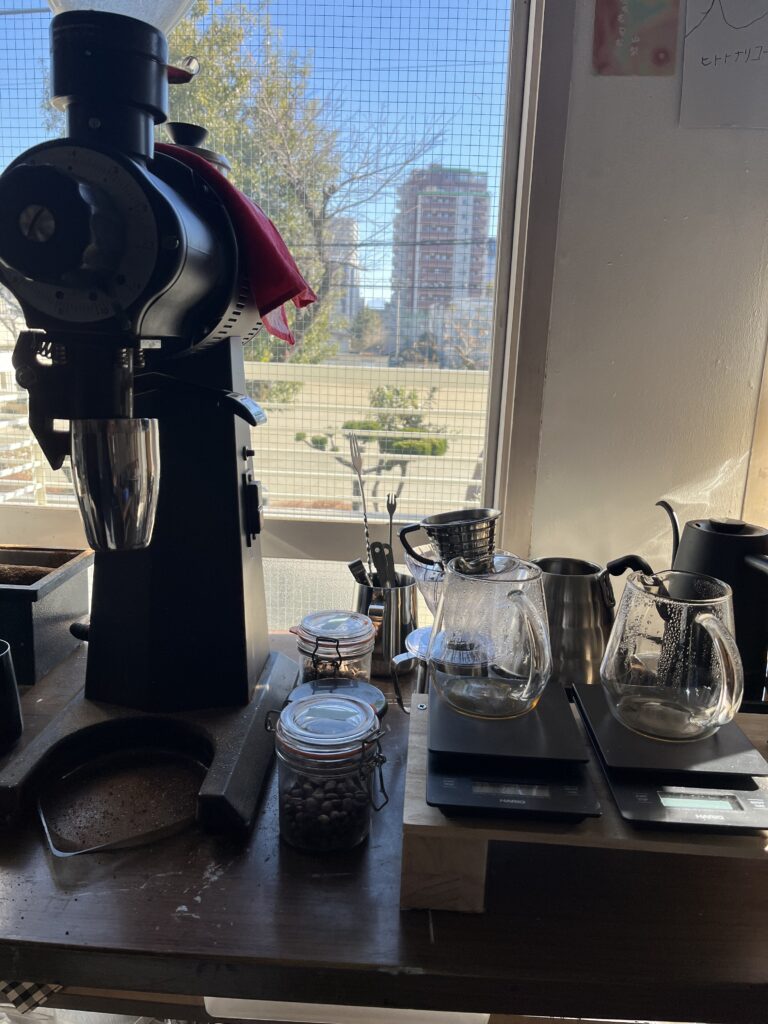
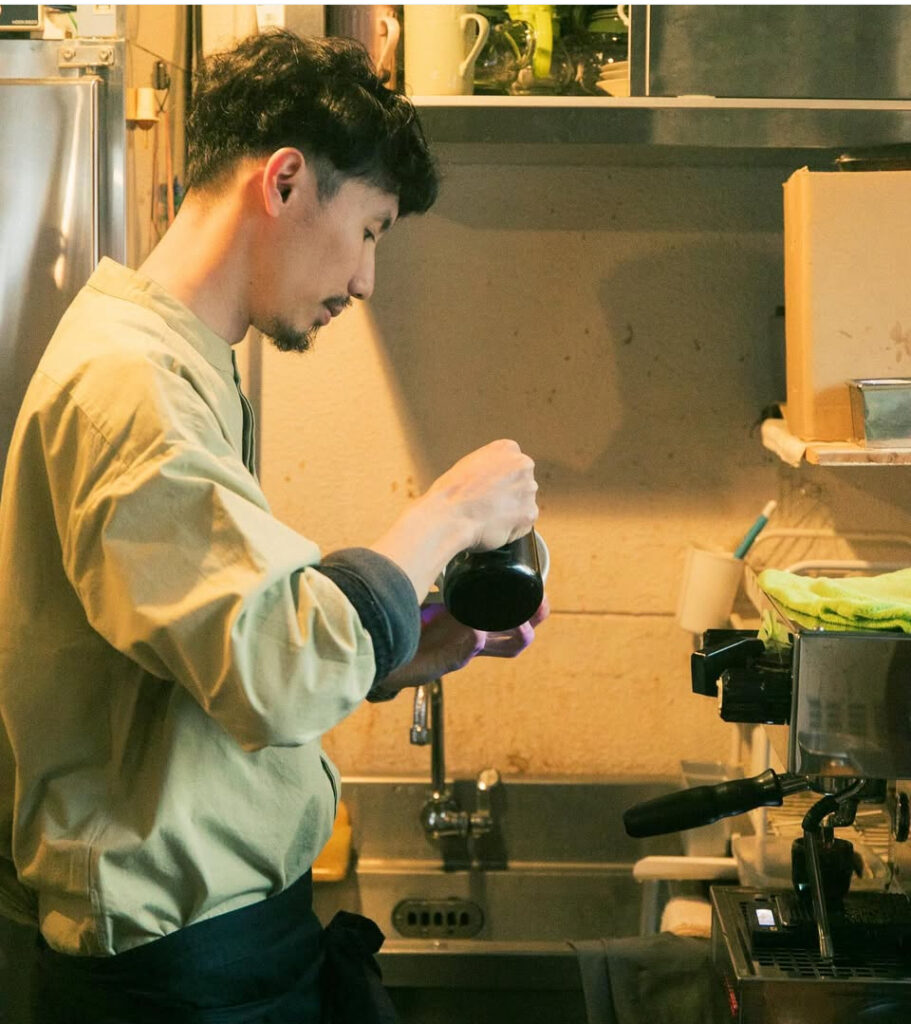
アーティストトークと対話 in 読書カフェ<ヒトトナリ・コーヒー>
(4月の読書カフェの中で開催されます)
前半は作家によるプロジェクター自作紹介と解説を行い
後半は作家と会場の皆さんが自由に語り合う小さな対話の時間を持ちます。
お気軽にお出かけください。
日時 4月18日(土)13:00-14:00
会場 AIRY 2F ギャラリー
予約不要 *1ドリンクオーダー <ヒトトナリ・コーヒー>をお願いします。